Hair Colour for Men: A Simple Guide to Natural-Looking Grey Coverage
-

- Published Updated
- 5,820 views
Why More Men Are Choosing Hair Colour
Hair colour is no longer something men need to feel hesitant about. Today, colouring grey hair is as common as getting a haircut, trimming a beard or following a skincare routine.
For some men, grey hair feels stylish and suits their personality. For others, it can make them look older than they feel. A suitable hair colour can help create a fresher, more polished appearance without making the transformation look unnatural.
The goal does not always have to be dramatic. In fact, the best hair colour for men is often the one that blends naturally with the original hair and does not look overly dark, flat or artificial.
Common Reasons Men Colour Their Hair
Men choose hair colour for many different reasons. Some want to cover premature greying, while others want their hair colour to match their beard or moustache. Many simply want to look well-groomed for work, social occasions or everyday life.
Common reasons include:
Covering white or grey hair
Creating a younger-looking appearance
Matching uneven hair and beard shades
Refreshing dull-looking hair
Improving confidence before important occasions
Maintaining a neat and well-groomed look
Whatever the reason, hair colouring should feel like a personal grooming choice rather than a beauty rule.
Choosing the Right Hair Colour for Men
Selecting the right shade is one of the most important steps in achieving a natural result. Choosing a colour that is much darker than your original hair can make the finish look harsh, especially around the hairline.
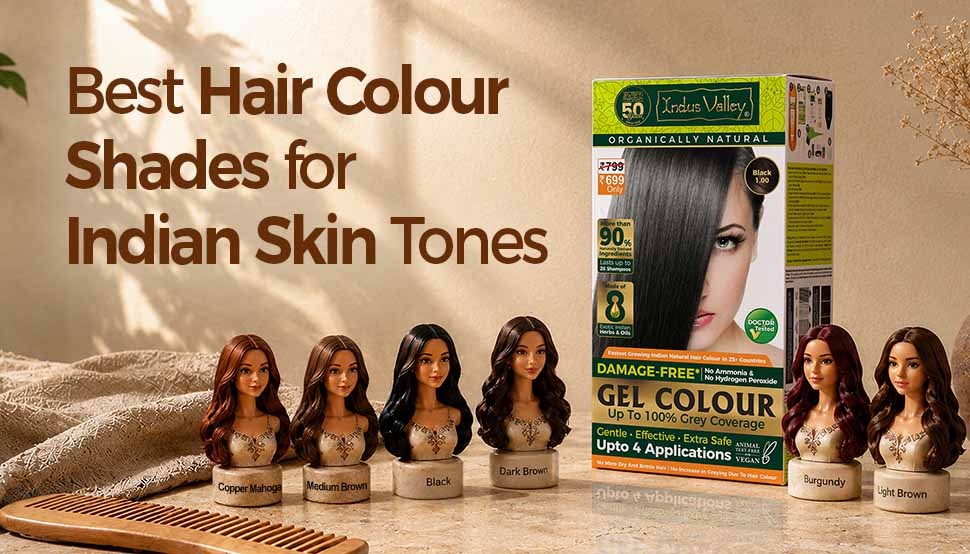
Men with naturally black hair can choose a black shade for complete coverage. However, dark brown may sometimes create a softer result, particularly for mature men or those with lighter facial hair.
Medium brown and light brown shades can work well for men with naturally brown hair or anyone who wants a less intense appearance. Burgundy or warmer shades may be suitable for people who prefer a more noticeable style.
Indus Valley Hair Colour for men is available in multiple shades, making it easier to choose an option that blends with different hair colours, skin tones and personal preferences.
Why the Hair Colour Formula Matters
While shade selection is important, the formula deserves equal attention. Hair colouring involves applying a product directly to the hair and scalp, so it is worth checking the ingredient list before making a choice.
Some conventional hair colours may rely on strong colouring agents that can feel uncomfortable for certain users. Men with a sensitive scalp, dry hair or a history of discomfort after colouring should be especially careful.
Indus Valley Damage-Free Gel Hair Colour is made without ammonia, PPD and hydrogen peroxide. Its gel-based formula is designed to provide rich colour while offering a gentler colouring experience when used according to the instructions.
Even with a gentle formula, a patch test should always be completed before every application.
Benefits of Indus Valley Hair Colour for Men
Indus Valley Hair Colour is created for people who want effective grey coverage without compromising on the appearance and feel of their hair.
Natural-Looking Grey Coverage
The colour helps cover visible grey and white strands while blending with the surrounding hair. Choosing the correct shade can create a balanced finish instead of a flat, painted appearance.
Gel-Based Application
The gel texture makes the product easier to spread across the hair. It helps cover different sections evenly, which is especially useful for men colouring their hair at home.
No Ammonia, PPD or Hydrogen Peroxide
The formula is made without ammonia, PPD and hydrogen peroxide. This makes it a suitable option for users looking for an alternative to conventional chemical-heavy hair colours.
Suitable for At-Home Use
Men who do not want frequent salon appointments can use the colour at home by carefully following the instructions provided with the product.
Multiple Shade Options
Different shades allow men to choose a colour based on their natural hair, beard shade, skin tone and preferred intensity.
How to Apply Hair Colour at Home
Before starting, read the instructions carefully and perform the recommended patch test. Wear gloves and protect your clothing with an old towel or cape.
Divide the hair into manageable sections. Begin applying the prepared colour to the areas with the most visible grey hair, such as the temples, sides and front hairline. Spread the colour evenly from the roots towards the lengths.
Avoid applying thick layers directly onto the scalp. Once all grey areas are covered, allow the colour to process for the time mentioned in the instructions. Do not leave it on longer in the hope of achieving darker results.
Rinse the hair thoroughly with water until the water runs clear. Follow with a gentle shampoo or conditioning product if advised.
How to Make Hair Colour Look More Natural
A good result depends on more than simply applying colour. Small details can make the final appearance look much more realistic.
Choose a shade close to your original hair colour. Avoid repeatedly applying colour over already coloured lengths, as this may make them appear too dark. Focus mainly on new grey growth during touch-ups.
Be careful around the forehead, ears and sideburns. Applying petroleum jelly or a protective barrier around the hairline can help reduce staining.
If your beard also contains grey hair, do not automatically use scalp hair colour on it. Beard hair and facial skin are different, so use a product specifically intended for beard colouring.
Maintaining Coloured Hair
After colouring, use a gentle shampoo and avoid washing the hair with very hot water. Frequent washing can cause the colour to fade faster.
Try to protect the hair from excessive sun exposure, chlorinated water and strong cleansing products. Regular conditioning can help keep coloured hair soft and manageable.
As new grey roots appear, touch up only the required areas instead of colouring the entire head every time. This can help maintain a more even shade while reducing repeated application on the lengths.
Hair Colour Is About Personal Confidence
There is no fixed age when a man should begin colouring his hair. Some people start as soon as they notice their first grey strand, while others wait until greying becomes more visible. Some never colour their hair at all.
The right choice is the one that makes you feel comfortable.
Indus Valley Hair Colour gives men the option to cover greys, refresh their appearance and maintain a natural-looking finish at home. With the right shade, proper application and regular care, hair colour can become a simple part of a practical grooming routine.
Frequently Asked Questions
1. Which hair colour is best for men?
The best hair colour is one that closely matches your natural shade, covers greys evenly and suits your scalp and hair needs. Indus Valley Hair Colour offers multiple natural-looking shades.
2. Can men use Indus Valley Hair Colour at home?
Yes. It is designed for convenient at-home use. Always follow the instructions carefully and complete a patch test before application.
3. Does Indus Valley Hair Colour contain ammonia?
No. Indus Valley Damage-Free Gel Hair Colour is made without ammonia, PPD and hydrogen peroxide.
4. Which shade looks most natural on men?
Black suits naturally black hair, while dark brown often creates a softer look. The ideal shade depends on your original hair colour, beard shade and desired result.
5. Can hair colour cover completely white hair?
Hair colour can help cover white and grey strands, although the final result may vary depending on hair texture, shade selection and application.
6. How often should men colour their hair?
Most men touch up their roots when new grey growth becomes visible. The timing varies according to hair growth speed, washing frequency and personal preference.
7. Can scalp hair colour be used on the beard?
Use only products specifically approved for facial hair. Facial skin is more delicate, and beard hair has a different texture from scalp hair.
8. Is a patch test necessary before every application?
Yes. A patch test should be completed before every use, even if you have used the same product previously, because skin sensitivity can change over time.