Har Ki Dun Trek Guide: Valley of Gods Route, Permits & Best Time
-

- February 23rd, 2026
- 1,630 views

FREE SEO Topical Map Generator: Find Your Next Content Ideas
The Har Ki Dun trek is a classic Himalayan valley walk in Uttarakhand known for its scenic meadows, alpine villages and views of the Garhwal Himalaya. This guide covers route options, logistics, permits, seasonal conditions and safety considerations for the Har Ki Dun trek to help plan a responsible and informed visit.
- Location: Govind Pashu Vihar region, Uttarakhand (Garhwal Himalaya)
- Typical duration: 6–9 days (round-trip from Sankri)
- Max altitude: ~3,566 m (Har Ki Dun valley rim viewpoints)
- Difficulty: Moderate — long walks with gradual climbs
- Permits: Required in protected areas; check forest/ tourism authorities
- Best time: May–June and September–October
Har Ki Dun trek: Overview and route
Location and landscape
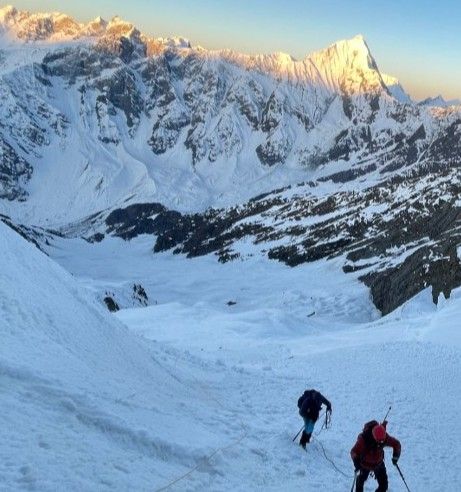
The Har Ki Dun valley lies in the Govind Pashu Vihar National Park and Wildlife Sanctuary in Uttarkashi/Kullu region of the Garhwal Himalaya, often approached from the Sankri village in Uttarkashi district. The valley is an east-west hanging valley framed by snow-capped ridges and dotted with alpine meadows (bugyals), traditional villages and glacial streams. The route offers forested sections, open ridgelines and panoramic views of peaks such as Ruinsara, Kali Ghati and Bandarpoonch in the broader region.
Typical route and itinerary
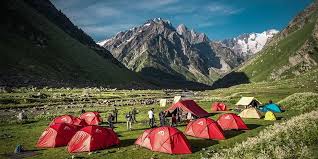
A common itinerary starts from Sankri (1,950 m) reached by road from Dehradun or Uttarkashi, with successive camps or stays at Taluka, Osla, Har Ki Dun (base meadow) and nearby scenic points. Typical day stages range from 6–12 km with steady elevation gain. Some trekkers extend to local passes or link routes such as Rupin Pass, but these require additional planning and experience. Altitude gain is gradual compared with high alpine passes, but trekkers should allow time for proper acclimatisation.
Planning and logistics
How to reach trailhead
Road access to Sankri is seasonal: a paved road from Purola or Mori connects to larger towns like Dehradun and Uttarkashi. Public and private buses operate to key towns; onward transport to Sankri may involve shared jeeps. Confirm current road conditions before travel, as mountain weather can affect access during monsoon and winter months.
Permits and official rules
The Har Ki Dun valley lies in or near protected forest and wildlife areas; trekking may require permits from the Uttarakhand Forest Department and local authorities. For up-to-date requirements and information on permitted routes, consult the Ministry of Tourism or the Uttarakhand forest/park authorities before departure. Permits are part of responsible trekking and support local conservation and livelihoods. For national guidelines on tourism and travel advisories, see the Ministry of Tourism website: Ministry of Tourism, Government of India.
Difficulty, best time and safety
Difficulty and altitude considerations
Classified as a moderate trek, the Har Ki Dun route has long walking days but no technical climbing. Fitness for sustained hiking and carrying a daypack is important. Symptoms of altitude sickness are uncommon at these elevations but possible; plan gradual ascent, stay hydrated and descend if symptoms worsen. For wilderness emergencies, local guides, forest staff and the Indian Mountaineering Foundation offer safety advice and resources.
Best time and weather
Optimal windows are late spring–early summer (May–June) and early autumn (September–October) when skies are generally clear and trails stable. Monsoon months (July–August) bring heavy rain, landslide risk and leeches; winter brings heavy snow and limited access. Check weather forecasts and local conditions before and during the trek.
Accommodation, food and local culture
Villages, homestays and camps
Trail villages such as Osla and Sankri offer simple guesthouses, tea houses and community-run homestays. Camp-based treks are common and regulated; use licensed operators or local guides who know permitted camping sites. Staying in villages supports the local economy and provides cultural context—respect local customs, waste rules and quiet hours in settlements.
Wildlife and conservation
The valley is home to Himalayan flora and fauna; sightings may include Himalayan monal, musk deer and other wildlife protected under Indian law. Follow Leave No Trace principles: carry back all non-biodegradable waste, avoid feeding wildlife, and follow designated trails. Coordinate with the forest department for wildlife-sensitive guidance and permitted behavior in protected areas.
Suggested packing checklist
- Layered clothing: base, insulating, waterproof shell
- Sturdy hiking boots, gaiters, and comfortable socks
- Daypack, water purification, headlamp and trekking poles
- Sleeping bag rated to expected temperatures (for camps)
- Personal medication, basic first aid, sun protection and insect repellent
- Map, compass or GPS device; phone with offline maps and power bank
- Permit copies, ID, cash for local purchases and gratuities
Responsible trekking tips
Choose local guides or agencies registered with relevant state or national authorities when needed. Maintain trail etiquette, respect sacred sites and pack out all trash. Supporting community-run accommodations and local porters helps ensure that tourism benefits village economies while preserving cultural heritage.
What is the Har Ki Dun trek difficulty and duration?
The Har Ki Dun trek is rated moderate. Typical itineraries take 6–9 days from Sankri for a round-trip, depending on pace, acclimatisation and any side excursions. Expect daily walking distances of 6–12 km with gradual elevation gain.
Are permits required for the Har Ki Dun trek?
Permits are often required because parts of the route fall within Govind Pashu Vihar National Park and forest land. Contact the Uttarakhand Forest Department or check guidance from the Ministry of Tourism for current permit procedures and fees.
How fit should a trekker be for Har Ki Dun?
Basic aerobic fitness and experience with multiday hikes are useful. Training hikes, long walks with a loaded pack and ankle-strengthening exercises reduce risk of strain. Ability to walk several hours a day over uneven terrain is recommended.
Can the Har Ki Dun trek be done independently?
Experienced trekkers can do the route independently, but hiring a local guide or joining a small group is recommended for first-timers, for navigation, permit facilitation and supporting local livelihoods.
What wildlife and environmental rules apply on the trek?
Wildlife in the region is protected by Indian wildlife and forest laws; avoid disturbing animals, do not collect plants or cultural artefacts, and follow designated trails. Carry out non-biodegradable trash and follow instructions from park authorities and guides.
For updated rules, health advisories and regional travel notices, consult official state and national tourism or forest department channels before undertaking the Har Ki Dun trek.