Healthcare Advertising Campaign Strategies to Maximize Impact
-
- February 23rd, 2026
- 1,666 views

FREE SEO Topical Map Generator: Find Your Next Content Ideas
Healthcare Advertising Campaign Strategies to Maximize Impact
Healthcare advertising campaigns require careful planning to reach patients, caregivers, and professionals while respecting privacy and regulatory boundaries. This guide outlines evidence-informed strategies for targeting, creative, channels, measurement, and compliance to improve effectiveness across the patient journey.
- Define clear audience segments and clinical or service objectives.
- Align messaging with regulatory and privacy requirements (HIPAA, FDA, FTC guidance).
- Use mixed channels (search, social, programmatic, clinical portals) and test creative via A/B or multivariate testing.
- Measure outcomes using a mix of short- and long-term KPIs and attribution models.
Planning healthcare advertising campaigns
Start by defining measurable goals such as awareness, lead generation, appointment bookings, or adherence support. Map each goal to a target audience (e.g., patients by condition, caregivers, referring clinicians) and the stage of the patient journey—awareness, consideration, decision, or retention. Use audience data and market research to prioritize segments with the highest potential impact.
Audience segmentation and targeting
Clinical and behavioral segmentation
Segment audiences by clinical condition, risk factors, treatment status, and health behaviors. Combining demographic, geographic, and behavioral signals with clinical cohorts can improve relevance. Respect privacy laws when using protected health information.
Channels and channel mix
A balanced channel mix can include search engine marketing for intent-driven traffic, social platforms for awareness, programmatic display for geographic or behavioral targeting, and email or patient portal messaging for retention. Channel selection should reflect audience media habits and budget considerations.
Messaging, creative, and patient-centered design
Clear, actionable messaging
Use plain language and patient-centered framing. Emphasize value propositions such as access, convenience, or outcomes, and include clear calls to action. Avoid making medical claims that could trigger regulatory review without clinical substantiation.
Design and accessibility
Ensure creative meets accessibility standards (WCAG) and is culturally competent. Test visuals and copy for comprehension with representative users, and iterate based on qualitative feedback and performance data.
Compliance, privacy, and regulatory considerations
Comply with applicable laws and agency guidance when creating and delivering ads. Regulatory bodies such as the U.S. Food and Drug Administration (FDA) and the Federal Trade Commission (FTC) publish advertising guidance for medical products and services. For patient privacy and data handling, consult HIPAA regulations and resources from official agencies. For more information, see the U.S. Department of Health & Human Services guidance on privacy and HIPAA: U.S. Department of Health & Human Services.
Measurement and optimization
Define KPIs and attribution
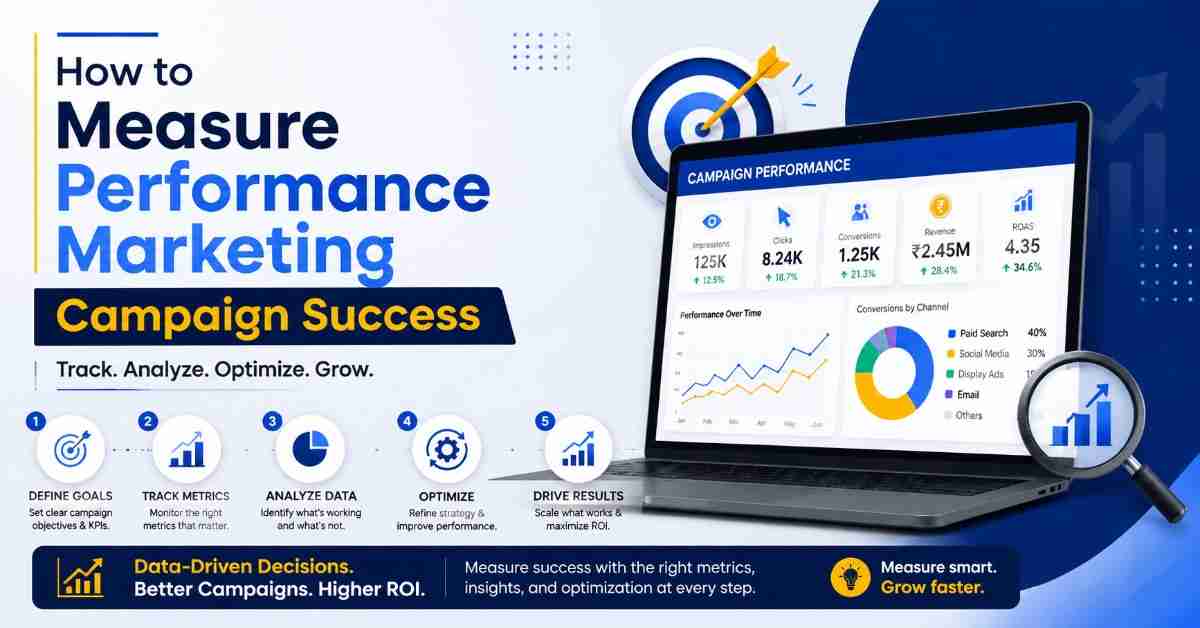
Select KPIs that match campaign goals: impressions and reach for awareness; click-through and form completions for acquisition; appointment bookings or referral volume for conversions. Use a combination of last-click and multi-touch attribution, and consider experiments or holdouts to measure incremental impact.
Analytics and testing
Set up analytics to capture events across channels and the website, and use A/B or multivariate tests to refine creative, calls to action, and landing pages. Leverage cohort analysis to understand long-term outcomes, such as retention or adherence, and use marketing mix modeling for higher-level budget decisions.
Budgets, bidding, and procurement
Allocate budget according to channel effectiveness and audience reach. For digital channels, optimize bids for outcomes (CPA, CPL) rather than clicks when possible. Maintain transparency in procurement and vendor selection, and require data processing agreements when partners handle protected or sensitive data.
Operational considerations and governance
Cross-functional workflows
Coordinate clinical reviewers, legal/compliance, data privacy officers, and creative teams early in the campaign lifecycle. Establish approvals, version control, and audit trails to reduce delays and compliance risk.
Vendor management
Assess vendors for compliance capabilities, security certifications, and experience in healthcare contexts. Require clear SLAs and data protection measures.
Continuous improvement and long-term impact
Use learning from each campaign to build reusable assets: audience segments, creative templates, and validated measurement frameworks. Periodically review outcomes against clinical and organizational priorities to ensure alignment with broader public health goals, health equity, and access objectives.
Frequently asked questions
What are best practices for healthcare advertising campaigns?
Best practices include defining measurable objectives, using audience segmentation, ensuring compliant messaging, selecting an appropriate channel mix, implementing robust analytics, and coordinating cross-functional approvals. Regular testing and transparent vendor agreements support better outcomes.
How should privacy and HIPAA be addressed in digital campaigns?
Limit use of protected health information in advertising workflows unless covered by explicit patient consent or a permissible use under law. Use de-identified or aggregated data for targeting where possible, and ensure business associate agreements (BAAs) are in place for vendors handling PHI.
Which metrics indicate campaign ROI in healthcare marketing?
Relevant metrics vary by objective. Awareness-focused work uses reach and engagement; acquisition uses conversion rates and cost-per-lead; clinical or service outcomes use bookings, adherence, or referral rates. Combine short-term digital metrics with longer-term clinical or financial outcomes for a complete ROI picture.
How can campaigns stay compliant with regulatory guidance?
Engage legal and compliance teams early, follow FDA and FTC guidance on health claims and endorsements, document clinical substantiation for claims, and maintain transparent, auditable processes for approvals and vendor activities.