How HHCO Distillate Is Produced and Used: A Practical Guide
-

- Published Updated
- 1,742 views
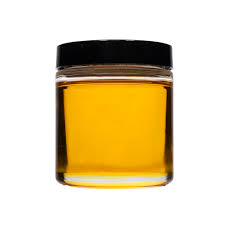
HHCO distillate is a semi-synthetic cannabinoid concentrate produced by chemical modification and purification of hemp- or cannabis-derived oils. Interest in HHCO distillate has grown for its use in manufactured products and laboratory research, but production, testing, and regulatory compliance require careful control. This guide explains common production steps, analytical testing, usage contexts, storage, and safety considerations.
- HHCO distillate is a refined, semi-synthetic cannabinoid oil derived from hydrogenated or acetylated cannabinoid feedstocks.
- Production typically involves extraction, purification, chemical conversion, and fractional distillation, followed by lab testing for potency and contaminants.
- Regulatory status and labeling requirements vary by jurisdiction; testing in accredited laboratories and adherence to local rules is important.
What HHCO distillate is and how it relates to other cannabinoids
HHCO distillate refers to a concentrated cannabinoid product created through chemical modification of naturally occurring cannabinoids such as cannabidiol (CBD) or tetrahydrocannabinol (THC) and then refined by distillation. The result is a viscous, often amber-colored oil intended for formulation into products like tinctures, edibles, or vaporization cartridges. HHCO is discussed alongside related compounds such as HHC (hexahydrocannabinol), HHC-O (the acetate form), and other semi-synthetic derivatives; terminology may vary between manufacturers and jurisdictions.
How HHCO distillate is produced
Production of HHCO distillate generally follows several high-level stages. Each stage involves technical processes that should be performed in properly equipped facilities by trained personnel.
Feedstock and initial extraction
Production begins with botanical material or crude hemp/cannabis extract containing cannabinoids. Common extraction methods include supercritical CO2, hydrocarbon extraction, or ethanol extraction. The objective is to obtain a crude oil rich in cannabinoids that can be further refined.
Chemical modification and conversion
Cannabinoid feedstock is often chemically modified to produce HHCO-class molecules. This can include hydrogenation, isomerization, or acetylation steps performed under controlled conditions. These chemical conversions are complex and require appropriate chemical handling, reaction control, and purification to limit byproducts and residual reagents.
Refinement and distillation
Following conversion, crude reaction mixtures undergo purification such as filtration, liquid-liquid extraction, and column chromatography if needed. Fractional distillation or short-path distillation is commonly used to concentrate and separate the HHCO fraction, producing a high-purity distillate. Distillation parameters are optimized to preserve target compounds while removing volatiles and impurities.
Quality testing and formulation
Finished distillate is analyzed in a laboratory for cannabinoid profile, potency, residual solvents, pesticides, heavy metals, and microbial contamination. Analytical methods such as gas chromatography–mass spectrometry (GC-MS) and high-performance liquid chromatography (HPLC) are standard. Certified or ISO/IEC 17025-accredited labs provide Certificates of Analysis (COAs) necessary for regulatory compliance and consumer information.
Testing, regulation, and compliance
Regulatory frameworks for novel cannabinoid products differ across countries and U.S. states. Verification of legal status, labeling, and permitted uses falls under local regulators. Good manufacturing practices (GMP), third-party laboratory testing, and transparent COAs help support product safety and trust. For general federal guidance on cannabis and cannabidiol policy and research, official resources such as the U.S. Food and Drug Administration provide background on regulatory concerns and research pathways: FDA: Cannabis and Cannabidiol (CBD) Research.
Uses and common applications
HHCO distillate is used as an ingredient in manufactured cannabinoid products. Typical applications include:
- Formulation into vape or aerosol cartridges (requires careful solvent removal and formulation controls)
- Inclusion in edibles and beverages after proper dosing and stability testing
- Tinctures, sublingual products, and topical formulations
- Laboratory research to study chemical properties and analytical methods
Product developers routinely rely on validated formulations and stability testing to ensure consistent dosing and shelf life.
Safety, handling, and storage
Facility and personnel safety
Chemical synthesis and distillation should be carried out in facilities with appropriate ventilation, flammable solvent controls, and chemical waste management systems. Personnel must use personal protective equipment (PPE) and training in handling hazardous reagents and high-temperature equipment.
Storage and labeling
Store distillates in cool, dark conditions in sealed containers to limit oxidation and degradation. Provide clear labeling including batch identifiers and COA references. Follow local rules for hazardous chemical storage when applicable.
Environmental and waste considerations
Waste solvents, reaction byproducts, and contaminated materials must be disposed of according to local environmental regulations. Facilities should maintain documentation for hazardous waste handling.
Quality indicators and testing parameters
Key analytical metrics for HHCO distillate include cannabinoid potency and profile, residual solvents (e.g., hydrocarbons, ethanol), pesticides, heavy metals (lead, arsenic, cadmium, mercury), and microbial contaminants. COAs that include method descriptions and lab accreditation details help validate product claims.
Common analytical methods
- HPLC for potency and cannabinoid profiling
- GC-MS for residual solvent analysis
- Inductively coupled plasma (ICP) methods for metals
- Microbiological culture or molecular methods for contamination screening
Considerations before purchase or production
Verify lab accreditation, review COAs, and confirm compliance with local regulations. Product labels should be transparent about ingredients, batch numbers, and safety warnings where required by law. Because regulatory treatment varies, consult appropriate state or national authorities for current rules.
Frequently asked questions
What is HHCO distillate?
HHCO distillate is a concentrated cannabinoid oil produced by chemical modification and subsequent purification of cannabinoids, followed by distillation to isolate the target compound. It is intended for formulation into finished products or for laboratory study.
How is HHCO distillate tested for safety and purity?
Testing typically includes potency (HPLC), residual solvents (GC-MS), pesticides, heavy metals (ICP), and microbial screening. Accredited laboratories provide Certificates of Analysis that report these parameters.
Is HHCO distillate legal everywhere?
Legal status varies by country and, in the United States, by state. Regulations depend on the source material, chemical modifications, and local statutes. Consult relevant state or national regulatory agencies for definitive guidance.
Can HHCO distillate be used in commercial products?
Use in commercial products requires compliance with manufacturing, labeling, and testing standards in the target market. Product developers should work with accredited labs and legal counsel to ensure conformity with applicable rules.
How should HHCO distillate be stored?
Store in cool, dark, airtight containers away from ignition sources. Maintain batch documentation and COAs alongside storage records to support traceability.
Where can authoritative guidance on cannabis-related regulation be found?
National regulators such as the U.S. Food and Drug Administration and state regulatory bodies provide guidance on cannabis and cannabinoid products. For federal background on research and regulatory issues, see the FDA resources linked above.