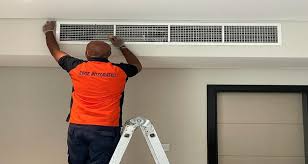
How to Hire the Best Air Conditioning Technician: Practical Tips and Checklist
-

- February 23rd, 2026
- 1,344 views
Hiring the right air conditioning technician can save time, reduce repair costs, and extend the life of HVAC equipment. This guide explains how to verify qualifications, compare estimates, and spot common red flags when selecting an air conditioning technician for installation, maintenance, or repair.
- Verify licenses and certifications (state license, NATE, EPA Section 608).
- Get written estimates, check warranties and insurance.
- Ask for references and read independent reviews (BBB, Consumer Reports).
- Watch for common red flags: large up-front cash requests, unsolicited offers, unclear contracts.
Finding a qualified air conditioning technician
Start by identifying local contractors or service providers who specialize in residential or commercial HVAC systems. A qualified air conditioning technician will hold relevant state or municipal licenses, have training in modern refrigerants and heat pumps, and be able to provide documentation for past work. Trade certifications and continuing education indicate familiarity with current standards, equipment, and safety practices.
Check licenses and certifications
Confirm that technicians carry any required state or local licenses for HVAC work. Look for technician-level certifications such as NATE (North American Technician Excellence) and evidence of refrigerant handling credentials. Technicians who work with regulated refrigerants should hold EPA Section 608 certification for safe handling and recovery practices; official information about this requirement is available from EPA resources: EPA Section 608. Also verify that the company has general liability insurance and workers' compensation coverage.
Experience and areas of specialty
Not all HVAC technicians specialize in the same systems. Ask whether the technician has experience with specific brands or technologies installed in the home, such as split systems, packaged units, ductless mini-splits, or heat pumps. For commercial systems or large-capacity equipment, choose technicians with relevant commercial experience and knowledge of building codes and load calculations.
Questions to ask before hiring
Clear communication before work begins helps avoid surprises. Use a short checklist of questions to compare candidates and written estimates.
Estimates, warranties, and pricing
Request a written estimate that separates labor, parts, and taxes. Ask about available warranties on parts and workmanship, whether the work will require permits, and whether the company will obtain them. Verify the timeline and payment terms; reputable providers typically do not require full payment upfront for standard repairs or installations.
References and reviews
Ask for recent references and check independent review sites and the Better Business Bureau for complaints or patterns of poor performance. References should include similar projects and contact information so that verification is straightforward. Consumer advocacy organizations and local trade associations can also provide background on service quality norms.
What to expect during a service visit
A professional technician should perform a diagnostic check, explain findings in plain language, present options (repair, replacement, or temporary fixes), and provide a written quote. For installations, expect a pre-installation assessment, a detailed proposal including equipment efficiency ratings and expected performance, and a post-installation walkthrough that covers maintenance needs and warranty registration.
Safety, permits, and documentation
Technicians should follow safe work practices, use appropriate personal protective equipment, and handle refrigerants with approved recovery equipment. For major work that affects building systems, permits and inspections may be required by local building authorities. Keep copies of contracts, invoices, and equipment manuals for future maintenance and warranty claims.
Hiring tips and red flags
Use a combination of documented credentials, transparent pricing, and reputation checks to evaluate candidates. Common warning signs include insistence on large cash payments, refusal to provide a written estimate, lack of proof of insurance, vague or unrealistic timelines, or pressure to buy unnecessary equipment or services.
Negotiating the contract
Ensure the contract specifies scope of work, total price, start and completion dates, warranty terms, and cleanup responsibilities. If change orders arise during the project, request written approval for additional costs before work proceeds. Ask how warranty claims will be handled and whether maintenance plans are available.
When to seek a second opinion
For significant repairs or full system replacements, seek multiple written estimates and compare equipment efficiency (SEER ratings), long-term operating costs, and installer reputation. A second opinion can help confirm the necessity of proposed work and identify alternative solutions such as targeted repairs or retrofits.
Maintaining good service relationships
After hiring, maintain records of service dates, parts replaced, and any warranty registrations. Schedule regular preventive maintenance to improve performance and detect issues early. Clear communication and documentation help ensure reliable long-term service from the chosen contractor.
How do I verify an air conditioning technician's credentials?
Request copies of state licenses, trade certifications like NATE, and EPA Section 608 certification for refrigerant handling. Verify insurance and ask for references. Contact local licensing boards or state consumer protection agencies if verification is needed or if a complaint is necessary.
What should be included in a written estimate?
A valid estimate lists labor, parts with model numbers, estimated total cost, applicable taxes, start and completion dates, warranty details, and conditions for additional charges. Clear payment terms and cancellation policies are important to avoid disputes.
How can unexpected problems during a job be handled?
Any unplanned work should be documented in a change order and approved in writing before proceeding. Reputable contractors communicate changes promptly and provide updated timelines and cost estimates.