From Beeswax to Brass: The History of Candle Molds and Candle Making
-

- Published Updated
- 1,730 views
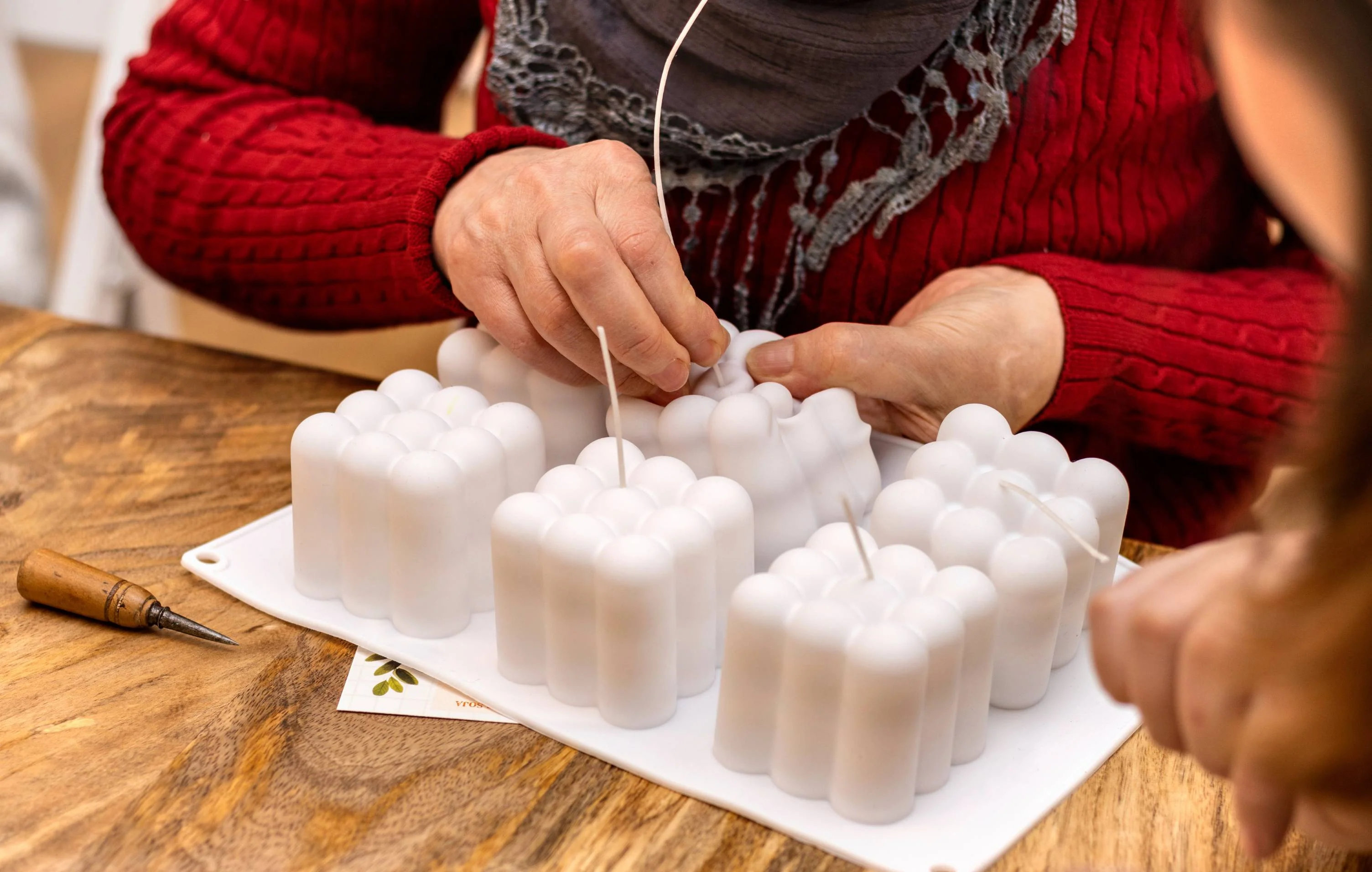
The history of candle molds traces how artisans and manufacturers shaped light itself, turning raw tallow, beeswax, and later paraffin into standardized forms. From simple clay impressions to precision brass and iron molds, the history of candle molds reflects technological change, trade networks, and cultural practices around illumination and ritual.
- Early candle molds used organic and ceramic materials to cast tallow or beeswax.
- Medieval and early modern molds diversified in metal and wooden split forms for efficiency.
- The 19th-century rise of paraffin and mechanized molds enabled mass production and uniform shapes.
- Molds appear in archaeological records and museum collections, illustrating regional techniques and trade.
History of Candle Molds
Origins and early techniques
Making shaped candles appeared in several ancient societies. Early techniques relied on locally available materials: clay or plaster impressions produced simple one-piece molds, while hollow reeds or shells sometimes acted as temporary formers. Candles made from beeswax were prized in religious and elite contexts because beeswax burned cleaner than animal fat.
Medieval Europe and the rise of the chandler
In medieval Europe, specialized craftsmen known as chandlers developed more sophisticated approaches. Dipping remained common for household candles, but molded candles began to appear for decorative or liturgical use. Guild regulations controlled quality and production in many towns, and municipal records from the period indicate standardized shapes and weights for candle offerings and taxes.
Materials and designs through the ages
Clay, ceramic and plaster molds
Clay and ceramic molds were among the earliest durable forms, able to withstand repeated casting. Plaster molds became more common when artisans needed finer surface detail. These materials allowed for hollow cores or cavities that reduced weight and material cost while maintaining a more regular profile.
Metal molds: tin, pewter, brass and iron
Metal molds—often tin or pewter in earlier periods, and later brass and cast iron—provided durability and precision. Metal split molds permitted quick release of a cooled candle and supported mass production before full mechanization. The choice of metal affected heat conduction, detail fidelity, and the mold's lifespan.
Wooden and split molds
Wooden split molds were used where metalworking resources were limited. These molds were carved to shape and then bound or clamped. In many regions, craftsmen developed hinged or keyed wooden molds to increase speed while maintaining consistent candle profiles.
Technological changes and industrialization
Paraffin, chemical advances, and standardization
The 19th-century introduction of paraffin — a petroleum-derived fuel — revolutionized candle making. Paraffin's consistent melting properties made it well-suited to molded production, and combined with improved wick technology allowed for brighter, steadier flames. Standard shapes and sizes emerged to meet commercial and domestic demand.
Mechanization and the factory mold
Industrialization brought mechanized dipping and automated molding lines. Rotary mold machines, presses, and continuous casting techniques enabled high-volume production with uniform quality. Factories invested in hardened-steel molds that produced thousands of identical candles per shift, in marked contrast to artisanal workshops.
Cultural, economic and ritual roles
Religious and ceremonial forms
Many molded candles had symbolic shapes—tapers for processions, pillars for altars, and molded figures for festivals. The use of particular shapes and materials was often governed by religious institutions, and specialized molds were commissioned for major observances.
Everyday use and commerce
Candles also played essential roles in domestic lighting, signaling seasonal commerce. The standardization introduced by molds assisted merchants, allowing predictable pricing and taxation. Records from colonial ports and European trading companies document candle shipments, reflecting demand patterns tied to climate and urbanization.
Archaeological and museum evidence
Finds and preservation
Archaeological contexts occasionally recover fragments of ceramic or metal molds, while wooden molds survive in waterlogged conditions. These finds illustrate regional styles and workshop organization. Museum collections preserve finished candles, mold fragments, and tools that together reconstruct production chains.
Museum collections and research
Institutions such as the British Museum hold objects and documentation that help trace mold technology and distribution. Scholarly analysis of these collections links mold design to trade routes, raw material access, and shifts in household fuel use. For further curated examples and object records, see the British Museum online collection (British Museum).
Legacy and modern practice
Contemporary craft and historical reconstruction
Contemporary candle makers and historic interpreters use replica molds to recreate period techniques. Hobbyist and artisan communities increasingly value traditional molds for aesthetic and educational reasons even as commercial production relies on modern materials.
Preservation of knowledge
Documentation from guild records, patents, and museum catalogues preserves the technical vocabulary of mold making. Historic England and similar heritage bodies support conservation projects that protect physical molds and workshop sites, helping maintain an evidential link to past practices.
Frequently asked questions
What is the history of candle molds?
The history of candle molds spans ancient impressions in clay and organic forms, medieval guild-regulated production, the adoption of metal split molds, and industrial mass production enabled by paraffin and mechanization. Molds evolved alongside materials and social demand.
How did materials used for molds change over time?
Materials progressed from clay, ceramic and wood to metals such as tin, pewter, brass and cast iron. Each material offered different durability, heat handling, and detail reproduction, shaping the kinds of candles produced.
Why are molds important for studying social history?
Molds inform researchers about production organization, trade networks, household consumption, and ritual practices. Standardized shapes point to commercial systems and regulatory frameworks, while decorative forms reveal cultural values.