Why Hit the Button Game Boosts Mental Health of Kids
-

- March 25th, 2026
- 5,846 views

FREE SEO Topical Map Generator: Find Your Next Content Ideas
In today’s digital world, children are spending more time on screens than ever before. While many games can negatively impact their mental well-being, some educational games actually help improve brain function and emotional health. One such game is the Hit the Button game — a simple yet powerful tool designed to improve kids’ math skills and mental performance.
But what many parents and teachers don’t realize is that this game does more than just teach numbers. It actively contributes to a child’s mental health, confidence, and cognitive development.
What is the Hit the Button Game?
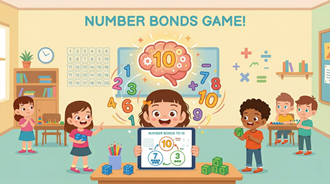
Hit the Button is a fast-paced educational game designed to help children practice number bonds, multiplication, and division. It turns learning into a fun challenge by encouraging kids to answer questions quickly and accurately.
Its engaging format keeps children mentally active while making learning enjoyable.
1. Improves Focus and Concentration
The game requires children to read, think, and respond within seconds. This repeated activity trains their brain to stay focused.
Over time, kids develop:
- Better attention span
- Faster thinking ability
- Improved classroom focus
2. Builds Confidence Through Small Wins
Confidence is a key part of mental health. Every correct answer gives children a sense of achievement.
The game provides:
- Instant feedback
- Score tracking
- Continuous progress
These small wins help children feel more capable and motivated.
3. Reduces Math Anxiety
Many children fear math because of pressure and traditional teaching methods. Hit the Button removes that fear by turning learning into a game.
It helps kids:
- Enjoy math without stress
- Learn without fear of mistakes
- Develop a positive attitude toward numbers
4. Enhances Brain Speed and Memory
This game works like a daily brain exercise.
Children begin to:
- Recall answers quickly
- Recognize number patterns
- Improve mental calculation speed
This strengthens both memory and cognitive processing.
5. Encourages Positive Screen Time
Not all screen time is harmful. Educational games can make screen time productive.
Instead of passive activities, this game:
- Engages the brain actively
- Promotes learning
- Builds useful skills
6. Supports Emotional Development
Children often feel frustrated when learning something new. This game allows them to try again without pressure.
It teaches:
- Patience
- Persistence
- Emotional control
7. Makes Learning Fun and Engaging
The colorful design and fast gameplay keep children interested.
Kids stay engaged because:
- It feels like a game, not a lesson
- It offers quick challenges
- It rewards progress
8. Develops Quick Decision-Making Skills
The time-based nature of the game forces children to think and act quickly.
They learn to:
- Process information faster
- Make quick decisions
- Respond confidently
This skill is valuable beyond academics.
9. Strengthens Problem-Solving Skills
Instead of memorizing, children begin to understand how numbers work.
They develop:
- Logical thinking
- Pattern recognition
- Efficient problem-solving
10. Encourages Healthy Competition
Children naturally enjoy improving their scores.
This creates:
- Motivation to perform better
- A sense of achievement
- Healthy competition with themselves or others
11. Supports Independent Learning
The game allows children to learn on their own without constant supervision.
This helps them:
- Build self-learning habits
- Practice anytime
- Gain independence
12. Improves Hand-Eye Coordination
Quick responses in the game improve coordination between visual input and physical action.
This supports overall brain development and motor skills.
13. Creates a Positive Learning Environment
Unlike traditional methods, this game makes learning relaxed and enjoyable.
Children:
- Feel less pressure
- Stay engaged longer
- Develop a love for learning
14. Long-Term Impact on Mental Growth
Regular practice leads to long-term benefits.
Children become:
- Faster thinkers
- More confident learners
- Better at handling complex problems
Pro Tip: Make It a Daily Habit
Consistency is key. Just 5–10 minutes of daily practice can significantly improve a child’s mental performance.
Short, regular sessions are far more effective than long study hours.
Why Hit the Button? Conclusion
In conclusion, the Hit the Button game is far more than just a simple math activity—it is a powerful tool that supports a child’s overall mental well-being. By combining learning with fun, it removes the fear often associated with mathematics and replaces it with curiosity and confidence. Children are not just memorizing numbers; they are developing critical thinking skills, improving focus, and training their brains to respond quickly and accurately. This kind of interactive learning creates a strong foundation that benefits them both academically and emotionally.
Moreover, the game plays an important role in shaping positive learning habits at an early age. Instead of viewing study time as a burden, children begin to see it as an enjoyable and rewarding experience. The sense of achievement they gain from solving problems correctly boosts their self-esteem and encourages them to keep improving. Over time, this builds resilience, patience, and a growth mindset—qualities that are essential not only in education but also in real-life situations.
Ultimately, in a digital age where screen time is often criticized, games like Hit the Button prove that technology can be used in a meaningful and productive way. With just a few minutes of daily practice, children can enhance their mental speed, strengthen their memory, and develop a lifelong love for learning. For parents and teachers, it serves as a simple yet effective solution to support both academic success and mental health, making it a valuable addition to every child’s learning journey.