How I Passed the Home Inspector Exam - Lessons from the Field and the Study Room
-

- September 16th, 2026
- 3,950 views
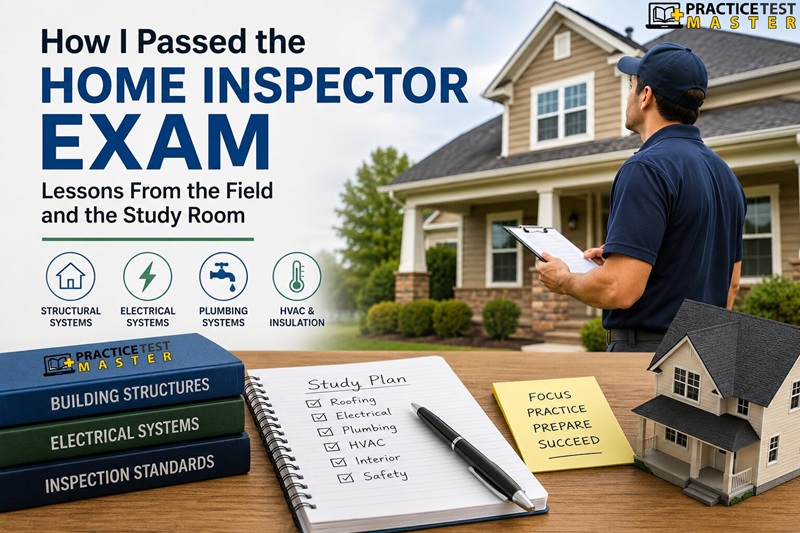
Preparing for a professional licensing exam can feel overwhelming, especially when the material covers a wide range of technical and practical topics. When I began preparing for the Home Inspector Exam, I quickly realized that success would require more than memorizing facts. It demanded a combination of structured study, real-world observation, and a clear understanding of how inspectors evaluate residential properties.
The exam is widely recognized across the industry and is associated with professional standards established by organizations such as the Examination Board of Professional Home Inspectors (EBPHI) and the International Association of Certified Home Inspectors (InterNACHI). My preparation journey taught me several valuable lessons that helped me approach test day with confidence.
Understanding the Structure of the Home Inspector Exam
One of the first things I did was learn how the examination is organized. The test measures knowledge across major home systems, including roofing, electrical components, plumbing, heating and cooling systems, insulation, structural elements, and safety concerns.
Instead of jumping directly into study materials, I spent time reviewing the exam content areas and understanding how questions are designed. Many items require practical judgment rather than simple recall. Knowing this early helped me focus on concepts and application rather than memorization alone.
I also found that studying in smaller sections made the material easier to absorb. Breaking down topics by system allowed me to build knowledge gradually while identifying weaker areas that needed additional attention.
Building Real Knowledge for the Home Inspector Exam
The most effective part of my preparation came from connecting textbook information with actual homes. Whenever possible, I visited properties, reviewed inspection reports, and examined building components in person.
Reading about roof defects is useful, but seeing damaged flashing or ventilation issues firsthand creates a stronger understanding. The same applies to electrical panels, foundation cracks, plumbing fixtures, and attic insulation.
This practical exposure helped me recognize patterns and understand why certain defects matter. It also improved my ability to analyze situations, which is an important skill when answering scenario-based questions.
Many candidates focus entirely on study guides. While those resources are valuable, combining study sessions with field observations made a significant difference in my retention and confidence.
Practice Methods That Improved My Home Inspector Exam Results
After building a solid foundation, I shifted much of my attention to practice work. Completing a Home Inspector free practice test helped me become familiar with the wording, pacing, and format commonly found in exam-style questions.
I made it a habit to review every incorrect answer carefully. Rather than simply noting mistakes, I researched the underlying concepts and revisited the relevant study material. This process helped close knowledge gaps more effectively than repeated reading.
Another useful strategy was working through Home Inspector practice questions and answers under timed conditions. This improved both speed and concentration. Over time, I became more comfortable identifying key details in each question and avoiding common misunderstandings.
Consistent practice also reduced anxiety because the testing environment became more familiar. By exam day, answering questions felt like an extension of my regular study routine.
Access my study material: https://www.practicetestmaster.com/home-inspector-practice-test.html
Managing Study Time Before the Home Inspector Exam
A structured schedule played an important role in my preparation. Instead of studying for long periods on weekends, I dedicated shorter sessions throughout the week.
I divided topics into manageable blocks and assigned specific goals to each session. Some days focused on electrical systems, while others concentrated on roofing, structural components, or inspection standards.
Regular review sessions were equally important. Revisiting previously studied material prevented information from fading and strengthened long-term retention. I also maintained a notebook containing key concepts, definitions, and common defects that required additional attention.
Using organized resources from PracticeTestMaster helped me maintain consistency and track progress throughout the preparation period.
What Helped Me Stay Confident During the Home Inspector Exam?
Confidence did not come from knowing every possible answer. It came from trusting the preparation process. By the time exam day arrived, I had developed a solid understanding of core inspection principles and gained experience applying them to realistic scenarios.
I focused on reading each question carefully, eliminating clearly incorrect options, and relying on established inspection knowledge. When I encountered difficult questions, I avoided spending too much time on a single item and returned to it later if necessary.
Looking back, the most valuable lesson was understanding that successful preparation involves both technical study and practical experience. The combination of structured learning, consistent review, field exposure, and regular practice created a balanced approach that ultimately helped me pass the exam and move forward in my professional journey.