Professional Style and Function: How Beauty Uniforms Elevate Salons and Clinics
-
- Published Updated
- 1,714 views
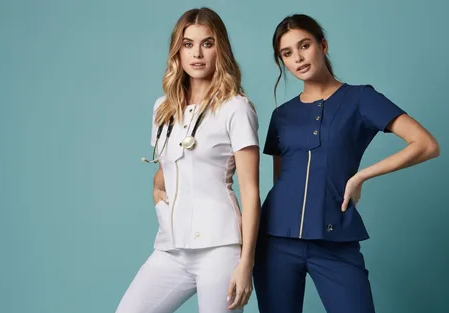
Beauty uniforms are more than a matching outfit: they communicate professionalism, support hygiene practices, and shape client perceptions in salons, spas, and aesthetic clinics. This article explains the practical, aesthetic, and operational reasons that encourage businesses and professionals to adopt clear uniform policies and thoughtful garment choices.
- Beauty uniforms contribute to professional image, client confidence, and workplace safety.
- Functionality—fabrics, fit, and pockets—matters for comfort and efficiency.
- Hygiene and laundering protocols align with regulatory guidance and reduce contamination risk.
- Sustainable and inclusive sourcing supports staff well-being and brand values.
The significance of beauty uniforms
Professional identity and client confidence
Consistent attire creates a recognizable visual identity that helps clients identify staff and understand roles within a space. Uniforms reinforce a service environment’s standards and can make interactions feel more formal and trustworthy. For many clients, a neat and consistent uniform is an immediate cue of competence and attention to detail.
Hygiene, safety, and regulatory context
Appropriate uniforms can support hygiene protocols by distinguishing work clothes from streetwear and by incorporating materials that are easy to launder. In regulated settings—such as medical-aesthetic clinics or environments that use chemicals and heat—uniform choices and laundering routines should align with occupational safety guidance from regulators. For example, workplace safety resources from the U.S. Occupational Safety and Health Administration (OSHA) provide industry-relevant recommendations on protective clothing and workplace contamination prevention (OSHA). Local health departments and professional boards may also offer standards related to infection control and cross-contamination prevention.
Functionality and ergonomics
Design features such as stretch panels, breathable fabrics, and strategically placed pockets improve mobility and efficiency during long shifts. Ergonomic considerations include how garments accommodate repeated movements, protect from spills or chemicals, and enable temperature regulation in busy salon or clinic environments. Prioritizing function reduces fatigue and helps maintain consistent service quality.
Design, materials, and care considerations for uniforms
Choosing fabrics and finishes
Durable, breathable, and stain-resistant textiles are common choices for beauty uniforms. Fabrics with moisture-wicking properties can improve comfort during active tasks. Consider fiber content, weave type, and ease of laundering when selecting garments. Antimicrobial finishes are available for some textiles, but reliance on these alone is not a substitute for proper cleaning and hygiene practices.
Maintenance, laundering, and longevity
Clear care instructions extend the life of uniforms and maintain a professional appearance. Standard policies usually specify laundering frequency, acceptable detergents, and handling of heavily soiled items. For employers, offering laundering services or stipends can help ensure consistent compliance. When uniforms are laundered in-house, follow local health guidance and appropriate temperature and detergent recommendations.
Inclusivity, fit, and accessibility
Uniform programs should accommodate a range of body types and mobility needs. Offering multiple sizes, gender-neutral styles, and adjustable features promotes staff comfort and inclusion. Accessibility considerations—such as adaptive closures and non-restrictive cuts—help create an equitable workplace.
Policy, implementation, and sustainability
Creating clear uniform policies
Policies should specify acceptable styles, laundering expectations, personal grooming standards, and procedures for acquiring uniforms. Clear guidelines reduce ambiguity and ensure consistent presentation across team members. Collaboration with staff when creating policies increases buy-in and practical feasibility.
Sourcing and environmental considerations
Sustainable sourcing can reduce environmental impact and reflect organizational values. Options include purchasing durable garments, selecting lower-impact fibers, and choosing suppliers with transparent labor practices. Repair and reuse programs, as well as take-back schemes, can extend garment life and lower long-term costs.
Measuring impact and adjusting practices
Evaluate uniform policies through staff feedback, client perception surveys, and operational indicators such as garment turnover and laundering costs. Iterative adjustments maintain alignment with evolving business needs, regulatory changes, and cultural expectations.
Practical checklist for introducing or updating beauty uniforms
- Define objectives: identify whether the goal is branding, hygiene, safety, or all three.
- Review regulations: consult local health regulators and occupational safety guidance.
- Engage staff: collect input on fit, comfort, and features needed for daily tasks.
- Pilot options: test fabrics and designs in real shifts before full rollout.
- Document care and replacement policies: make expectations clear and accessible.
Frequently asked questions
What are the benefits of beauty uniforms?
Beauty uniforms improve professional appearance, support hygiene and safety protocols, enhance client trust, and increase staff efficiency by providing functional design features. They also help create a cohesive brand identity and can reduce ambiguity about roles.
How should beauty uniforms be laundered for hygiene?
Laundering recommendations depend on fabric and local guidelines. Common best practices include washing at manufacturer-recommended temperatures, separating heavily soiled items, and following any regulatory requirements for infection control in clinical settings. Employers and staff should refer to occupational safety resources and local health department guidance for specific protocols.
Can uniform programs be inclusive and sustainable?
Yes. Inclusive sizing, gender-neutral options, and adaptive features make uniforms accessible to more staff. Sustainability measures include selecting durable materials, offering repair services, and partnering with suppliers that follow ethical labor and environmental practices.
Who should be consulted when creating a uniform policy?
Stakeholders typically include management, staff representatives, human resources, and, when relevant, occupational safety or infection control advisors. Consulting these groups helps balance practical needs, regulatory compliance, and staff well-being.
How often should uniforms be replaced?
Replacement frequency depends on wear patterns, fabric durability, and laundering practices. Establish replacement intervals based on visible wear, functional decline, or changes in brand identity, and include provisions for immediate replacement if safety or hygiene is compromised.