Enhancing Interiors with Luminous Ceiling Panels: Benefits, Features, and Design Tips
-

- Published Updated
- 1,586 views
Introduction
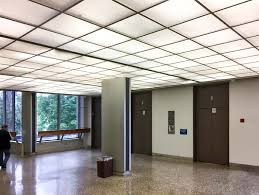
Luminous ceiling panels are a modern lighting solution that can transform interior spaces by delivering even, diffuse illumination with a slim, architectural profile. These panels, often LED-based, are used in offices, retail, healthcare, education, and residential settings to improve visual comfort, define spatial character, and support energy-efficient designs.
Luminous ceiling panels provide uniform light distribution, flexible mounting options (recessed, suspended, or surface-mounted), and features such as tunable color temperature, high color rendering (CRI), dimming, and smart controls. Key considerations include room function, required illuminance, acoustic integration, installation type, and maintenance cycle.
How luminous ceiling panels enhance interior design
Integrating luminous ceiling panels into interior design supports both aesthetics and function. Their flat, low-profile appearance creates clean sightlines, while the even light distribution reduces shadows and glare—improving visual task performance and perceived spaciousness. Designers use panels to establish continuous ceilings, highlight circulation routes, and create luminous planes that complement other architectural elements.
Visual and spatial effects
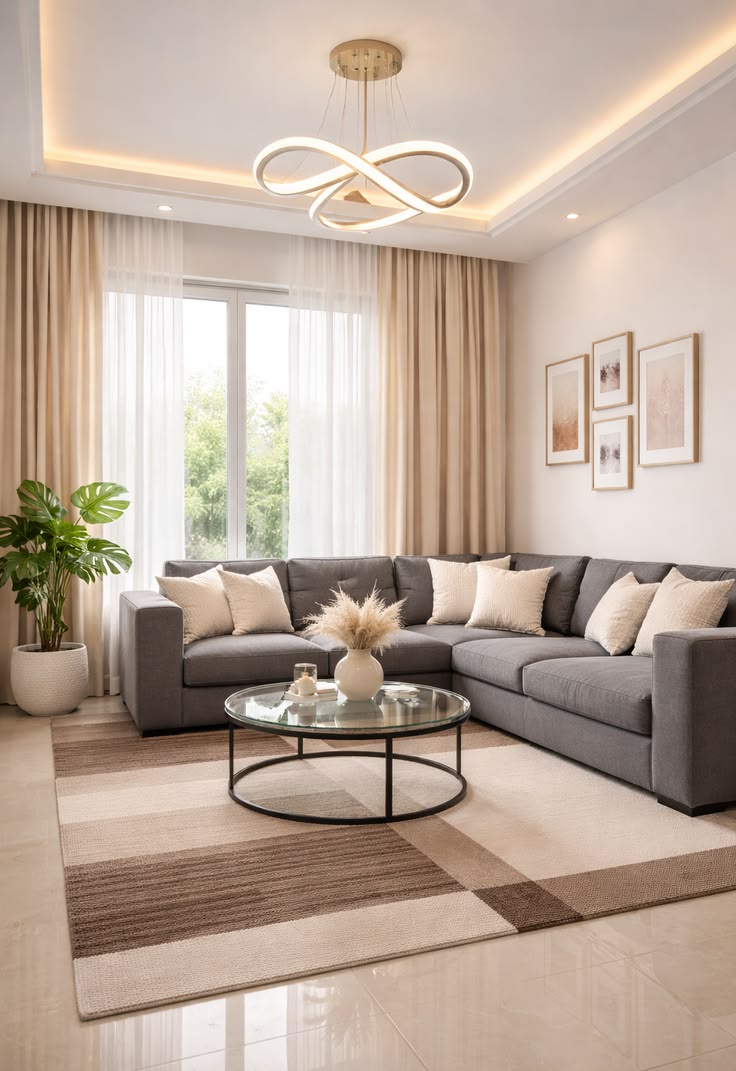
Continuous panels generate a soft, uniform ceiling plane that can make a room appear larger and more cohesive. By selecting different sizes, layouts, and mounting heights, designers can emphasize zones, guide movement through space, or create focal points without relying on visible fixtures.
Color and mood control
Tunable white (adjustable color temperature) and RGB-capable panels enable dynamic control of mood and circadian-supportive lighting strategies. Higher correlated color temperatures (5000 K and above) support alertness in task areas, while warmer temperatures (2700–3500 K) enhance relaxation in hospitality and residential settings. High CRI options help render materials and finishes more accurately, which is important for retail, galleries, and healthcare.
Acoustic and integrated functions
Some luminous panels combine acoustic insulation or absorptive backing to improve room acoustics while providing illumination. Integration with ventilation plenums, emergency lighting circuits, and sensors supports multifunctional ceilings in modern building projects.
Key features to evaluate
Choosing the right luminous ceiling panels depends on technical characteristics and performance specifications. Important features to evaluate include lumen output, efficacy, CRI, color temperature, mounting options, controls, and certifications.
Light source and performance
LED arrays are the predominant light source, offering long service life and high efficacy (lumens per watt). Spec sheets should list luminous flux (lumens), efficacy, and lifetime rating (L70 or L90). For guidance on illuminance levels and recommended lighting parameters, consult industry guidance such as the Illuminating Engineering Society (IES): Illuminating Engineering Society (IES).
Color rendering and temperature
Color rendering index (CRI) indicates how accurately colors appear under the light source; CRI 80+ is common, with CRI 90+ preferred for color-critical spaces. Color temperature (measured in Kelvin) affects ambiance and task appropriateness; choose tunable or fixed temperatures based on use.
Controls and smart features
Dimming, daylight harvesting, occupancy sensing, and integration with building automation systems enhance energy savings and occupant comfort. Look for compatibility with dimming protocols (0–10V, DALI, phase-cut, or wireless standards) and smart lighting ecosystems.
Mounting and form factor
Panels are available for recessed grid ceilings, surface-mounted frames, and suspended installations. Selection depends on ceiling construction, plenum access requirements, and aesthetic goals. Slim, edge-lit designs provide minimal visual intrusion, while backlit panels offer deeper luminance for high-output needs.
Design and installation considerations
Room function and illuminance target
Estimate required average illuminance (lux) for the space type—task areas like offices and classrooms typically require higher values than corridors or lounges. Use lighting calculations and consult local building codes and standards to ensure compliance.
Energy and sustainability
LED-based luminous panels reduce energy use compared with older fluorescent systems. Look for efficiency ratings, lumen maintenance data, and certifications relevant to the region. Efficient controls and occupancy sensors further reduce operating costs and support sustainability goals.
Maintenance and lifespan
Consider replaceable driver modules and accessible mounting for easier servicing. Typical LED panel lifetimes range from 50,000 to 100,000 hours depending on quality and operating conditions; verify warranty and lumen maintenance (e.g., L70 at 50,000 hours).
Costs and return on investment
Initial costs vary by size, performance, and control complexity. Long-term savings arise from reduced energy consumption, lower maintenance, and potential productivity gains in commercial environments. A lifecycle cost analysis helps compare retrofit versus new-install options.
Common pitfalls and best practices
Avoiding glare and hotspots
Use diffusers and proper spacing to prevent bright spots or discomfort. Consider indirect or perimeter lighting in combination with panels for layered illumination.
Ensuring compatibility
Confirm driver compatibility with dimmers, emergency circuits, and fire-safety requirements. Coordinate with electrical and mechanical trades to accommodate plenum access and cable routing.
Specifying for performance
Request full photometric data, LM-79/LM-80 test reports, and manufacturer lifetime claims. Match product selection to the design brief and regulatory requirements.
Frequently asked questions
How do luminous ceiling panels affect lighting quality?
Luminous ceiling panels improve lighting quality by providing uniform illuminance, reducing shadows, and minimizing glare when properly specified. High CRI panels render colors more accurately and tunable temperature options help tailor mood and function.
Are luminous ceiling panels energy efficient?
Yes. LED-based panels typically offer high efficacy and long life. Efficiency gains are maximized with controls such as dimming, daylight harvesting, and occupancy sensors.
Can luminous panels be used in wet or humid locations?
Only panels rated for damp or wet locations should be used in bathrooms, kitchens, or outdoor-covered areas. Check IP ratings and manufacturer guidance to ensure safe operation.
What maintenance is required for luminous ceiling panels?
Maintenance typically includes periodic cleaning of diffusers, inspection of drivers and connections, and replacement of modules or drivers as needed. Accessible mounting and replaceable components simplify servicing.
How long do luminous ceiling panels last?
Service life often ranges from 50,000 to 100,000 operating hours depending on product quality and operating conditions. Verify lumen maintenance specifications and warranty terms before purchase.
Where to find technical guidance on lighting standards?
Consult national and industry standards such as those published by the Illuminating Engineering Society (IES), local building codes, and relevant regulators for recommended illuminance levels and performance requirements.