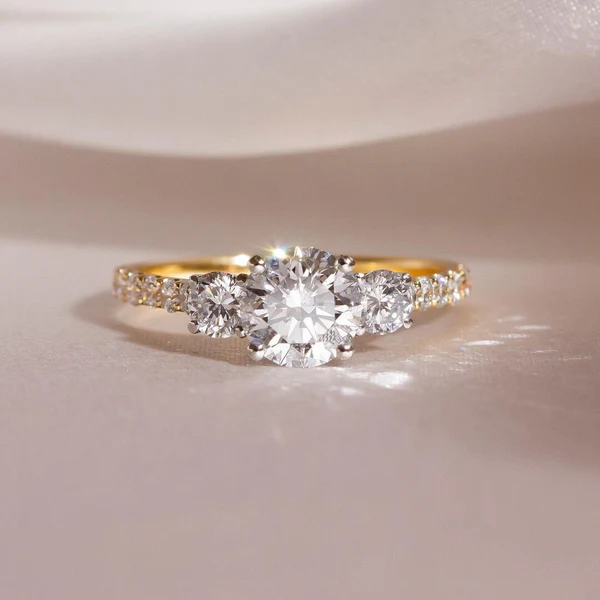
How to Select the Perfect Engagement Ring Discreetly: A Practical Guide
-

- Published Updated
- 625 views
Introduction
Detected intent: Informational
Planning a surprise proposal requires careful preparation. This guide explains how to select the perfect engagement ring discreetly without alerting a partner, covering practical steps, a named checklist, common mistakes, and a short real-world scenario. The phrase select the perfect engagement ring discreetly appears here to anchor the focus: the goal is a thoughtful, private purchase that fits style, budget, and timing.
Quick plan: use the SECRET checklist (Study, Estimate, Confirm, Examine, Reserve, Test), gather discreet size and style clues, research retailers and return policies, buy with clear documentation, and rehearse the reveal. Includes practical tips and a short scenario to illustrate the process.
Select the Perfect Engagement Ring Discreetly: Step-by-step Guide
Selecting a ring in secret requires a balance of research, stealth, and contingency planning. Start by narrowing style and budget, then confirm size and metal preferences, and finally make a discreet purchase with return options. Secondary keywords to keep in mind while planning include buy an engagement ring in secret and surprise engagement ring tips.
The SECRET checklist (named framework)
- Study style cues: Observe jewelry habits and favorite outfits.
- Estimate ring size: Use spare jewelry, sizing charts, or ask a close friend.
- Check budget and priorities: Decide on stone, metal, and setting trade-offs.
- Research vendors and policies: Confirm returns, resizing, and appraisal options.
- Examine certification: Verify diamonds or gemstones with lab reports.
- Test the reveal plan: Rehearse timing, hiding place, and ring travel logistics.
Practical steps to follow
- Observe and document style: Note metals (yellow, white, rose), ring widths, and whether the partner prefers modern or vintage looks.
- Confirm size covertly: Borrow a ring they wear on the engagement finger when possible, use printable sizing tools, or consult a jeweler for an estimate based on age and hand proportions.
- Set a firm budget and prioritize: Decide whether size, cut, or metal is most important; this informs vendor selection and negotiation.
- Research reputable sellers: Read reviews, check certification standards (e.g., GIA for diamonds), and confirm return and resizing policies. Use certified lab reports for the stone when available (GIA).
- Buy with a safety net: Choose options that allow returns or exchanges within a reasonable period and confirm documentation for insurance and appraisal.
Short real-world example
Scenario: A partner wears mostly white-gold jewelry and favors simple, modern bands. A friend secretly borrows a thin ring from the partner’s jewelry box to estimate size, uses the SECRET checklist to prioritize a high-quality center stone over a larger carat weight, and selects a vendor with a 30-day return and resizing policy. The purchase is insured and stored in a secure, inconspicuous container until the proposal night.
Common mistakes and trade-offs
Common mistakes
- Assuming size without verification — leads to costly resizing or an ill-fitting ring.
- Ignoring return/resizing policies — reduces flexibility if style or size is wrong.
- Prioritizing carat over cut or clarity — visual impact often depends more on cut quality.
Trade-offs to consider
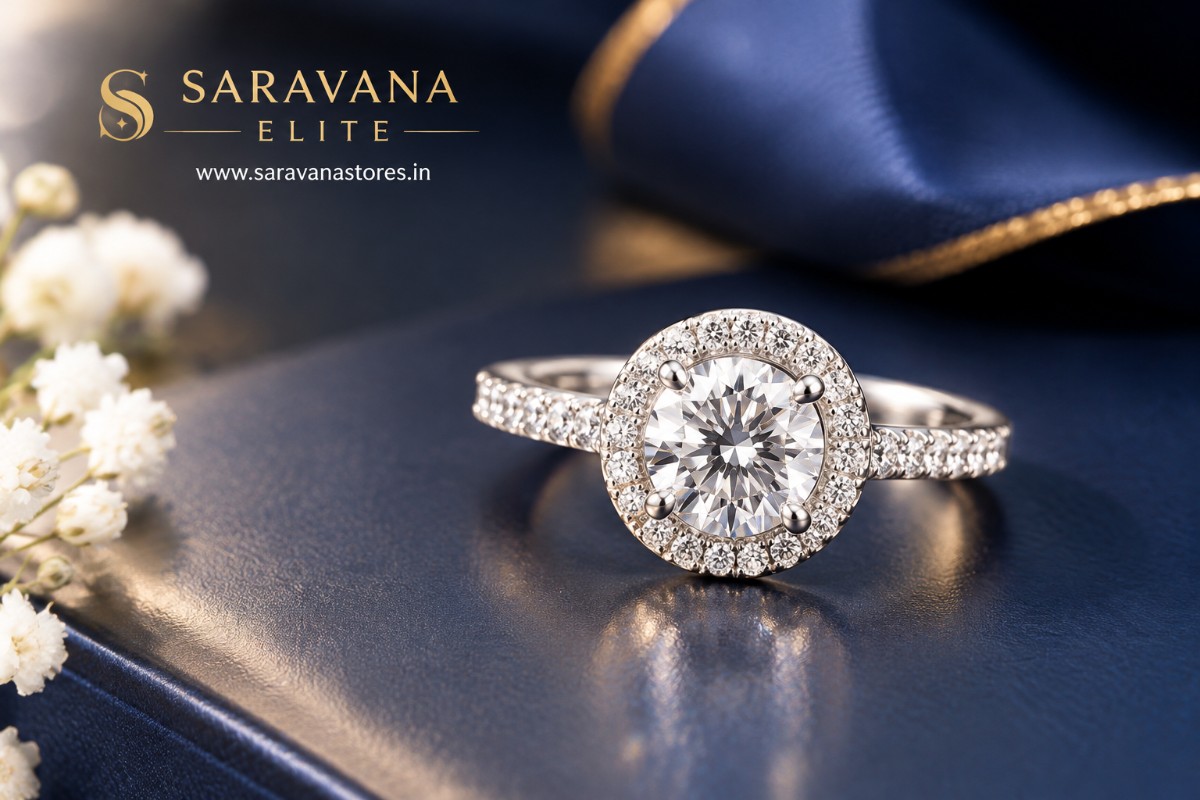
- Carat vs. cut: A smaller, well-cut stone can appear larger and have more sparkle than a larger poorly cut one.
- Budget vs. permanence: Higher budgets can secure better materials and certification, but careful shopping and ethical compromises (like lab-grown stones) can offer savings without sacrificing appearance.
- Secrecy vs. accuracy: More secrecy can reduce options for sizing and styling; involving a trusted friend increases accuracy but raises the risk of discovery.
Practical tips (actionable)
- Tip 1: Photograph current jewelry on the partner’s hand under good light to compare shapes and metal tones later.
- Tip 2: Keep receipts and documentation in a separate account or physical location to avoid accidental discovery in shared email or files.
- Tip 3: Use a neutral storage method (e.g., a small travel case) and avoid obvious hiding spots that a partner might check before the proposal.
- Tip 4: Confirm resizing window and costs before purchase; some vendors offer free resizing within a timeframe.
Core cluster questions
- How to find an accurate ring size without asking?
- What are the best ways to learn a partner’s ring style secretly?
- Which return policies are safe when buying a surprise engagement ring?
- How to insure and appraise a ring bought in secret?
- What are discreet storage and transport methods for a surprise ring?
FAQ
How can I select the perfect engagement ring discreetly without being discovered?
Follow the SECRET checklist: study style, estimate size, confirm budget, research vendors, examine certification, and test the reveal. Use discreet sizing methods and choose sellers with clear return and resizing policies to reduce risk.
How accurate is using a borrowed ring to estimate size?
Borrowing a ring worn on the intended finger is one of the most accurate covert methods. If unavailable, compare against printable sizing guides or consult a jeweler with measurements of the partner’s finger if secrecy allows.
Can resizing ruin a ring or its warranty?
Resizing is common and usually safe when done by qualified jewelers, but extreme resizing can weaken settings or affect certain designs. Confirm warranty and resizing limits with the vendor before purchase.
What should be checked on a diamond certificate?
Verify the 4Cs—cut, color, clarity, and carat—plus the grading lab name. A reputable lab like the Gemological Institute of America (GIA) or other well-known labs provides reliable reports for insurance and appraisal.
How long should return or resizing protection last?
Ideally, choose at least a 30-day return window and 6–12 months of resizing coverage. Longer windows provide more flexibility if the partner’s size or taste differs from expectations.