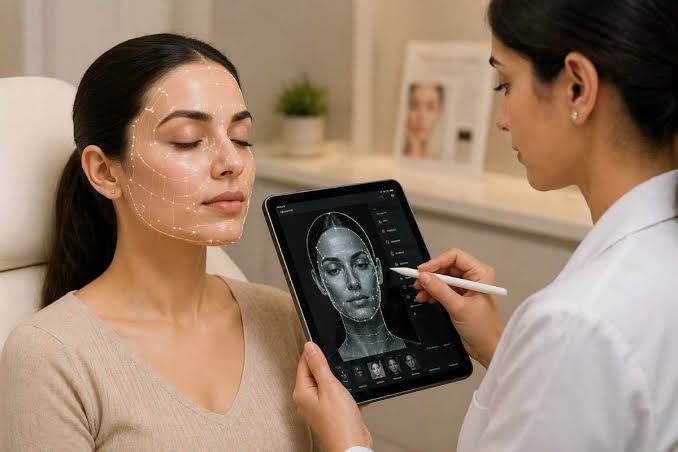
How Hair Replacement Works: Science, Methods, and Expected Results
-

- Published Updated
- 1,442 views
Hair replacement is a set of medical and cosmetic approaches that restore hair appearance by stimulating growth, relocating grafts, or using prosthetic systems. Understanding the biological principles, common methods, and expected outcomes helps set realistic expectations and supports informed decisions.
- Hair replacement includes surgical grafting, pharmacologic treatment, and non-surgical prosthetics.
- Successful outcomes depend on diagnosis, donor supply, and realistic expectations.
- Regulatory bodies such as the U.S. Food and Drug Administration and clinical societies provide guidance on safety and indications.
How hair replacement works: Biological principles
Hair growth cycle and loss mechanisms
Hair follicles progress through growth (anagen), regression (catagen), and resting (telogen) phases. Variations in genetics, hormones (notably dihydrotestosterone or DHT), autoimmune responses, nutritional status, and certain medications can shift follicles into shorter anagen phases or permanent miniaturization. These physiological changes are central to common patterns of hair thinning and balding.
Targets for intervention
Interventions either act on follicle biology (to preserve or stimulate growth), replace lost follicles (surgical transplantation), or cover thinning areas (prosthetic or cosmetic systems). Pharmacologic approaches may modulate hormonal or signaling pathways, while surgery relocates active follicles from donor to recipient sites.
Common hair replacement methods
Pharmacologic and biologic treatments
Topical and oral medications aim to slow hair loss and promote regrowth by altering follicle signaling or blood flow. Emerging biologic therapies investigate growth factors, platelet-rich plasma (PRP), and low-level laser therapy as adjuncts to stimulate follicles. Evidence and indications for each option vary; clinical guidelines and randomized trials provide context for effectiveness.
Surgical hair transplantation
Surgical hair replacement typically uses follicular unit transplantation (FUT) or follicular unit extraction (FUE). Both techniques harvest follicles from areas with durable hair growth (commonly the lateral and posterior scalp) and place them into thinning areas. Survival and long-term durability depend on donor hair quality, surgical technique, and post-procedure care.
Non-surgical prosthetics and concealers
Non-surgical options include hairpieces, custom prostheses, and scalp micropigmentation. Modern prosthetics use medical-grade adhesives and breathable materials designed for daily wear; these solutions provide immediate cosmetic coverage without influencing follicle biology.
Assessment, candidacy, and planning
Diagnostic evaluation
Evaluation typically includes medical history, scalp examination, and, when appropriate, laboratory tests to identify reversible causes. Dermatology societies such as the American Academy of Dermatology publish criteria for assessing common hair disorders and when to refer for specialist care.
Determining candidacy
Good candidates for surgical hair replacement have stable donor hair, realistic expectations, and no untreated scalp disease. Non-surgical options may be preferred when donor supply is limited or when immediate cosmetic results are the priority.
Procedure steps, recovery, and timeline
Typical timeline after transplantation
After surgical placement, transplanted follicles enter a brief shedding phase before producing new hair; visible regrowth commonly begins several months after the procedure, with continued maturation up to 12–18 months. Pharmacologic treatments also require months to show measurable changes.
Follow-up and maintenance
Long-term management may combine surgery with ongoing medical therapy or prosthetic maintenance. Periodic follow-up helps monitor graft survival, detect complications early, and adjust adjunctive treatments to preserve results.
Safety, risks, and regulation
Common complications
Complications can include infection, scarring, graft failure, and dissatisfaction with cosmetic results. Non-surgical systems can cause skin irritation or allergic reactions to adhesives. Informed consent and discussion of risks are standard parts of clinical care.
Regulatory and evidence considerations
Regulatory agencies such as the U.S. Food and Drug Administration (FDA) oversee devices and drug approvals that relate to hair loss treatments. Clinical societies, including the International Society of Hair Restoration Surgery (ISHRS) and the American Academy of Dermatology, publish practice guidance and position statements to help clinicians and patients interpret evidence. For general consumer information on hair loss and treatment options, see the American Academy of Dermatology guidance here.
Expected outcomes and setting realistic expectations
Measuring success
Success can be defined cosmetically (improved appearance and patient satisfaction) or medically (stabilized progression of loss). Measurable improvements often include increased hair density, coverage of thinning areas, and improved cosmetic symmetry.
Factors that influence results
Outcomes are influenced by age, pattern and cause of hair loss, donor hair characteristics, technique quality, and adherence to postoperative care. Multiple staged procedures or combination therapies may be needed for extensive hair loss.
When to consult a specialist
Evaluation by a licensed dermatologist or a hair restoration specialist is appropriate for diagnostic uncertainty, rapidly progressive loss, scarring alopecias, or when considering surgical intervention.
Frequently asked questions
What is hair replacement and how does it work?
Hair replacement refers to surgical, medical, and prosthetic methods that restore the appearance of hair by stimulating follicles, transplanting healthy follicles, or concealing thinning. The approach depends on the underlying cause and patient goals.
How soon are results visible after a hair transplant?
Visible regrowth often begins around 3–4 months after transplantation, with appreciable results by 6–9 months and final maturation typically at 12–18 months.
Are non-surgical hair replacement systems safe for everyday use?
Many modern prosthetic systems are designed for daily wear with medical-grade materials; potential issues include adhesive-related irritation or improper fit. Professional fitting and follow-up reduce risks.
Do medications permanently stop hair loss?
Medications can slow progression and, in some people, stimulate regrowth, but effects usually require ongoing use and may not be permanent after discontinuation. Clinical trial data and guidelines help define expected benefits and limitations.
How to choose between surgical and non-surgical options?
Choice depends on donor hair availability, desired timeline for results, medical history, and personal preference. A specialist consultation helps align goals with appropriate options.