How On-Demand Food Delivery Services Work: A Practical Guide
-

- February 23rd, 2026
- 1,265 views

Get a free topical map and start building content authority today.
On-demand food delivery services have transformed how people order meals, connecting restaurants, couriers, and customers through smartphone apps and web platforms. These services involve order placement, payment processing, restaurant preparation, courier pickup, and delivery tracking to the customer’s address or another specified location.
- On-demand food delivery services link restaurants and customers through third-party platforms and in-house apps.
- Key participants include restaurants, couriers, platform operators, and payment processors.
- Costs are shaped by commission rates, delivery fees, and optional service charges; regulations and food safety standards apply.
On-demand food delivery services: Overview
On-demand food delivery services typically operate as marketplaces that route orders from consumers to participating restaurants and assign couriers to pick up and deliver meals. The model may include third-party platforms that manage listings, order tracking, and payment processing, or restaurant-owned systems that use in-house couriers. Common elements include menu listings, estimated delivery times, delivery radius, customer experience features such as real-time order tracking, and systems for rating and feedback.
How these services work
Order placement and payment processing
Customers place orders through mobile apps or websites. Payment processing services handle credit card transactions, digital wallets, and sometimes cash-on-delivery options. Platforms maintain receipts, refund policies, and fraud detection to protect consumers and restaurants.
Restaurant preparation and order management
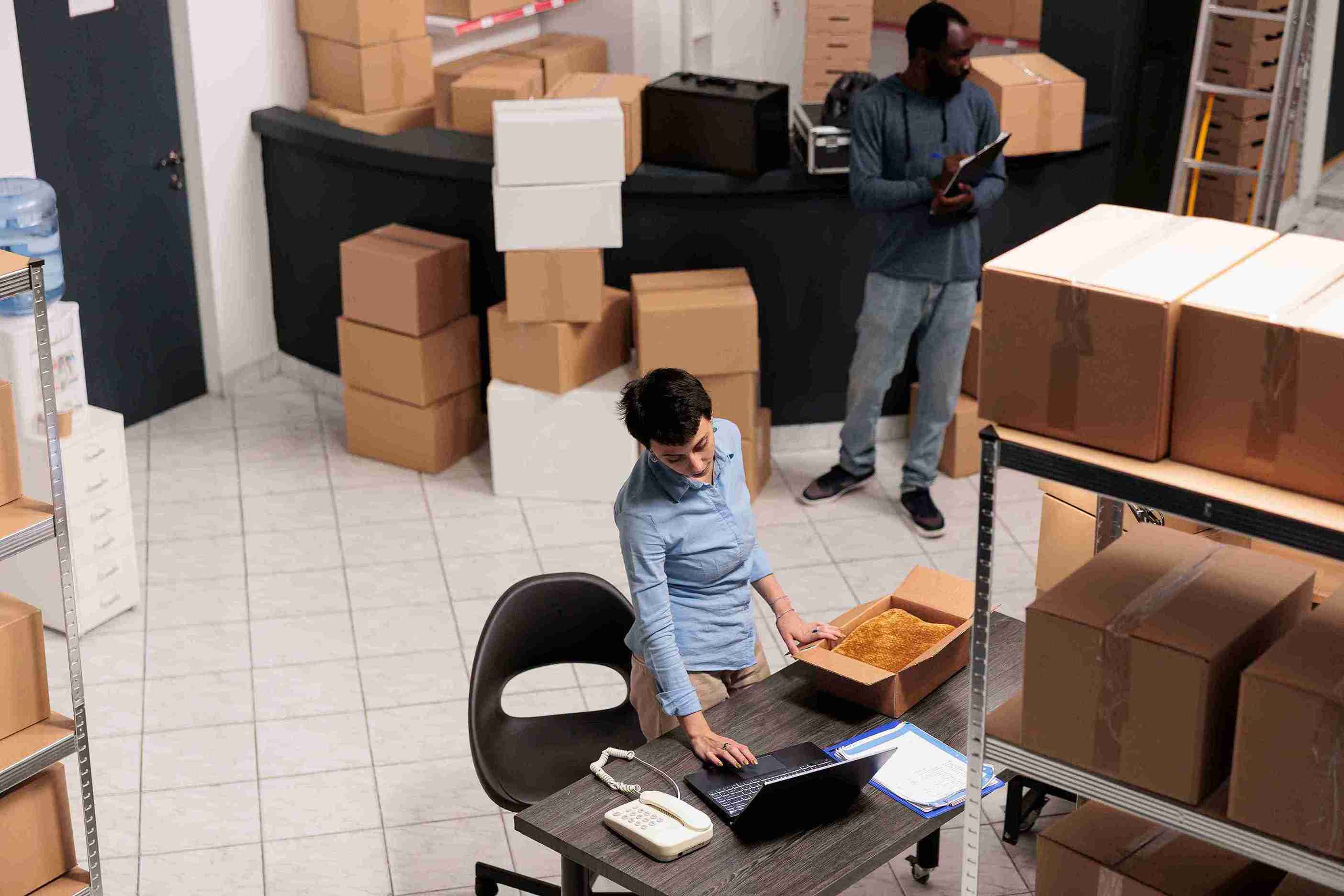
Restaurants receive orders through a point-of-sale integration or a tablet provided by the platform. Staff are responsible for food safety and preparation within the agreed timeframe to meet estimated delivery windows and maintain customer satisfaction.
Couriers and last-mile delivery
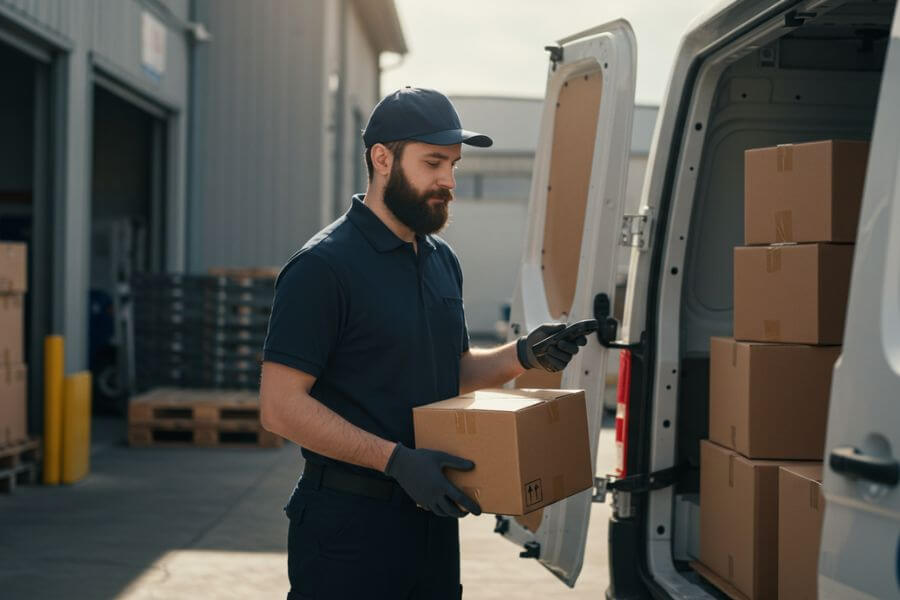
Couriers — often independent contractors in the gig economy — accept delivery assignments via the platform. Courier responsibilities include picking up orders, following delivery instructions, and updating order status in real time. Delivery radius, surge pricing, and courier availability influence delivery times and network capacity.
Key players and business models
Third-party platforms vs. restaurant-owned delivery
Third-party platforms provide broad customer reach and order management but charge commission rates or platform fees. Restaurant-owned delivery can reduce commission costs but requires investment in logistics, couriers, and technology. Hybrid approaches combine both models.
Participants and roles
Primary entities include restaurants (meal preparation and quality control), couriers (logistics and last-mile delivery), platform operators (technology, customer service, and marketing), and payment processors (transaction security). Local regulations and health departments also influence operations, particularly regarding food safety and licensing.
Costs, pricing and commission structures
Costs for consumers commonly include menu prices, delivery fees, taxes, and optional tips. Restaurants typically pay commission rates or fixed fees to platforms; these charges affect menu pricing and profitability. Platform fees may cover marketing, customer acquisition, and technical infrastructure. Transparent pricing practices and disclosure of platform fees help customers and restaurants compare options.
Safety, regulation, and food quality
Food safety remains a central concern for on-demand services. Restaurants must follow local food safety codes and temperature control guidelines while preparing orders. Couriers should use insulated containers to maintain temperature and hygiene. Regulatory oversight often comes from local health departments and, in some countries, national agencies that publish food safety guidance. For official information on food safety standards and recommendations, consult the U.S. Food and Drug Administration: U.S. Food and Drug Administration.
Technology and customer experience
Technology features that shape customer experience include order tracking, estimated time of arrival, push notifications, and integrated customer support. Platforms use route optimization, real-time traffic data, and geolocation to improve delivery efficiency. Data privacy and secure handling of payment information are important for compliance with consumer protection standards.
Labor, environmental and policy considerations
Couriers often work under gig economy arrangements, which raises policy discussions about classification, benefits, and labor protections overseen by employment regulators. Environmental impacts include increased delivery traffic and packaging waste; some services and restaurants are exploring reusable packaging, delivery consolidation, or electric courier options to reduce emissions.
Tips for choosing and using a delivery service
- Compare total costs including delivery fees, service charges, and tipping guidelines.
- Check restaurant ratings, estimated delivery times, and order tracking features.
- Consider safety practices such as contactless delivery and packaging integrity.
- Review local regulations and consumer protection policies for refunds and disputes.
Future trends
Emerging trends include integration of more advanced route optimization, increased use of electric or pedal-powered couriers, experiments with dark kitchens and local fulfillment centers, and further automation such as delivery robots and drones in select urban areas. Regulatory changes affecting gig economy labor status and platform transparency may also reshape how services operate.
Frequently asked questions
What are on-demand food delivery services?
On-demand food delivery services are platforms or systems that allow customers to order meals from restaurants and have them delivered by couriers. These services manage ordering, payment processing, and order tracking to connect restaurants with local customers.
How do commission rates affect restaurant prices?
Higher commission rates charged by platforms can lead restaurants to increase menu prices or absorb costs, which affects profitability. Restaurants may negotiate fixed-fee arrangements or use multiple channels to balance commission costs.
Are delivery couriers employees or contractors?
Courier classification varies by jurisdiction. Some regions consider couriers independent contractors, while others have enacted laws or rulings that require employee classification with benefits. Local labor regulators provide guidance on classification and labor standards.
How can customers check food safety and quality?
Customers can review restaurant ratings, health inspection results published by local health departments, and platform-provided hygiene information. Choosing restaurants that follow recognized food safety practices reduces risk.
Can delivery services reduce environmental impact?
Delivery services can reduce environmental impact by consolidating orders, using low-emission vehicles, offering reusable packaging, and optimizing delivery routes to lower mileage. Policy incentives and corporate commitments also influence adoption of greener practices.
Related Posts