Porcelain Veneers Benefits: How Veneers Improve Appearance and Dental Health
-

- Published Updated
- 353 views
Porcelain veneers benefits extend beyond a brighter smile: when planned and placed correctly, veneers can protect enamel, address minor bite issues, and make oral hygiene easier. This guide explains how porcelain veneers improve both appearance and dental health, gives a step-by-step checklist, and highlights common trade-offs to consider.
- Porcelain veneers are thin ceramic shells bonded to teeth to improve appearance and, in many cases, support dental health.
- Benefits include stain resistance, enamel protection, minor bite adjustment, and improved cleaning access when combined with good oral hygiene.
- Use a structured checklist for evaluation, consider maintenance needs, and weigh trade-offs like tooth preparation and cost.
Porcelain Veneers Benefits: Appearance and Dental Health Explained
What porcelain veneers are and how they change tooth function
Porcelain veneers are custom-made ceramic shells bonded to the front surfaces of teeth. Designed primarily for esthetics, well-planned veneers can also alter surface contours, close small gaps, and protect weakened enamel from further wear. They do not replace large amounts of missing tooth structure the way crowns do, but they can improve occlusal contact and reduce abrasive edges that damage soft tissue or opposing teeth.
How veneers improve appearance
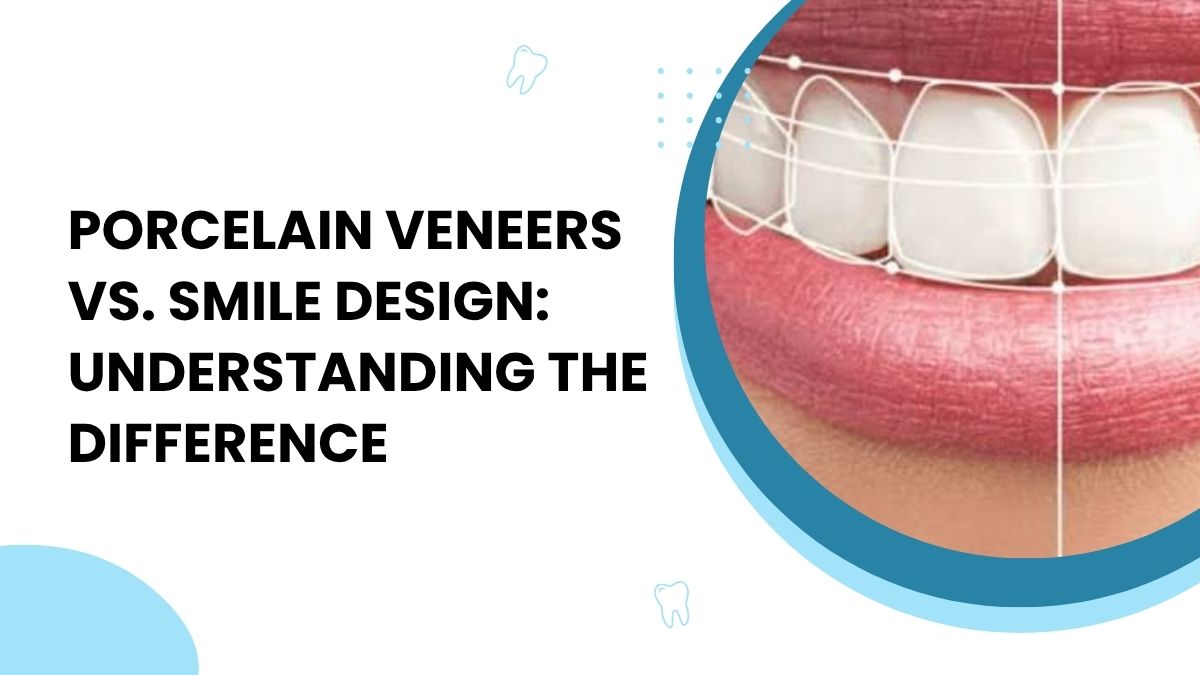
Veneers correct color, shape, and alignment problems without orthodontics in many cases. Porcelain mimics natural enamel translucency and resists stains better than composite materials. Lab-fabricated porcelain allows precise color matching and texture control, creating a natural-looking smile while correcting chips, discoloration, and minor crowding.
How veneers affect oral health
Beyond cosmetic gains, how veneers affect oral health depends on planning and technique. Key health-related benefits include:
- Enamel protection: A correctly bonded veneer seals the enamel surface, which can reduce sensitivity and protect areas weakened by acid erosion or abrasion.
- Reduced caries risk at visible surfaces: Veneer placement removes superficial defects and covers vulnerable enamel, but attention to margins and hygiene is critical to prevent decay at the gumline.
- Improved soft-tissue relationships: Properly contoured veneers can enhance gum health by eliminating overhangs and smoothing transitions that trap plaque.
- Functional improvements: Minor occlusal adjustments built into the veneers may reduce harmful contacts that cause fracture or wear.
VENEER checklist for predictable outcomes (named framework)
Use the VENEER checklist during evaluation and treatment planning to balance esthetics and health:
- Validity of indication — Confirm veneers are the right option (not crowns or orthodontics).
- Enamel preservation — Plan minimal and conservative preparation to keep as much enamel as possible.
- Necessary imaging — Take radiographs and intraoral scans to check restorability and root health.
- Esthetic design — Mock-ups and digital previews set realistic expectations for shade, shape, and smile line.
- Execution — Use quality bonding protocols for reliable adhesion and margin integrity.
- Recall and maintenance — Establish a recall schedule and maintenance plan (hygiene, nightguard if needed).
Short real-world example
Case scenario: A 48-year-old with intrinsic staining and minor enamel erosion on upper incisors opted for four porcelain veneers. Minimal-prep veneer designs preserved most enamel, corrected shade and minor alignment, and smoothed incisal edges that had been causing soft-tissue irritation. At six-month recall, staining was minimal, sensitivity decreased, and improved contours made interproximal flossing easier.
Practical tips for long-term success
- Confirm adequate enamel remains before committing to veneers; bonding to enamel is stronger and more durable than bonding to dentin.
- Use high-quality impressions or digital scans and a diagnostic mock-up to preview esthetic and functional outcomes with the patient.
- Maintain meticulous margin hygiene—brush twice daily, floss daily, and use interdental brushes if recommended for clearance around veneers.
- Protect veneers from excessive force: avoid biting hard objects and consider a nightguard for bruxism or heavy clenching.
Trade-offs and common mistakes
Choosing veneers involves trade-offs. Common mistakes to avoid:
- Over-preparation: Removing too much enamel unnecessarily weakens the tooth and increases sensitivity.
- Ignoring periodontal health: Placing margins too close to inflamed gums can worsen periodontal problems and cause poor-looking margins.
- Unrealistic esthetic goals: Excessively bright or bulky veneers may look unnatural and compromise function.
- Skipping maintenance plans: Veneers need regular check-ups; neglect increases risk of margin decay or debonding.
When to choose veneers vs. other options
Decisions should weigh enamel availability, extent of structural damage, occlusion, and long-term restorative strategy. For large defects or heavily restored teeth, crowns may be more appropriate. For minor cosmetic changes, composite bonding is a less invasive, lower-cost option but may stain more over time.
Best-practice reference
For patient-friendly information and clinical guidance on restorations and dental materials, refer to the American Dental Association's consumer resources: MouthHealthy (ADA): Veneers.
Core cluster questions
- Are porcelain veneers reversible and what does enamel preservation involve?
- How should veneers be maintained to prevent staining and margin decay?
- When are crowns a better choice than veneers for dental health?
- What role does occlusion play in veneer longevity and how are adjustments made?
- How does tooth preparation differ between porcelain and composite veneers?
Maintenance and follow-up: veneer maintenance tips
Routine care extends veneer lifespan. Recommended veneer maintenance tips include regular dental checkups every 6–12 months, professional cleanings that avoid overly abrasive polishing pastes, fluoride use for sensitivity management, and immediate attention if a veneer chips or debonds.
FAQ
What are the porcelain veneers benefits?
Benefits include improved tooth color, shape, and symmetry; stain resistance; protection of weakened enamel surfaces; and potential functional improvements when veneers correct small occlusal issues. Long-term success depends on proper case selection, enamel preservation, and maintenance.
Do porcelain veneers cause sensitivity?
Sensitivity can occur after preparation, especially if significant enamel is removed. Conservative preparation and proper bonding techniques reduce sensitivity. Ongoing sensitivity should be evaluated by a dentist to rule out margin issues or caries.
How long do porcelain veneers last?
With proper care and regular dental follow-up, porcelain veneers commonly last 10–15 years or longer. Longevity depends on material quality, occlusion, parafunctional habits, and oral hygiene.
Can veneers be repaired if they chip?
Small chips may be repairable with composite resin, but extensive damage usually requires replacement. Prompt professional evaluation helps determine the best approach.
Are veneers a good option for someone with gum recession?
Gum recession complicates margin placement and can expose veneer edges. Periodontal health should be stabilized before veneer placement; sometimes soft-tissue grafting or alternative restorative plans are recommended.