Rhinoplasty Safety Explained: Risks, Preparation, and Recovery
-

- Published Updated
- 1,740 views
Rhinoplasty safety is a common concern for people considering nasal surgery for cosmetic or functional reasons. This article explains typical risks, measures that reduce complications, what to expect during recovery, and how qualifications and facility standards influence outcomes. The information is intended for general education and does not substitute for personalized medical consultation.
- Rhinoplasty carries both surgical and anesthesia-related risks; serious complications are uncommon when performed by experienced surgeons in accredited facilities.
- Common short-term risks include bleeding, infection, swelling, and nasal obstruction; long-term issues may include persistent breathing problems or need for revision surgery.
- Preoperative assessment, surgeon expertise, and postoperative care reduce risk. Regulatory bodies and professional societies provide guidelines for safe practice.
Rhinoplasty safety: common risks and how often they occur
Complication rates vary by procedure complexity, patient health, and surgeon experience. Typical short-term complications include bleeding (epistaxis), infection, and anesthesia-related events. Minor bleeding or bruising is common and often resolves within days to weeks. Infection after rhinoplasty is relatively uncommon when standard sterile technique and perioperative protocols are used.
Longer-term concerns can include persistent nasal obstruction, altered sense of smell, visible asymmetry, septal perforation, or dissatisfaction with aesthetic results that may lead to revision rhinoplasty. Published clinical series and audits suggest that major complications are uncommon in elective rhinoplasty performed by board-certified surgeons, while revision rates vary but may range from approximately 5% to 15% depending on definitions and follow-up time.
Who is at higher risk?
Patient factors that increase risk include smoking, uncontrolled chronic conditions (for example diabetes or cardiovascular disease), bleeding disorders, and certain medication use such as anticoagulants. Extensive or revision procedures that involve large grafts, work on nasal airway structures like the turbinates, or combined septoplasty may increase operative time and complexity, which can raise the chance of complications.
How surgeons and facilities reduce risk
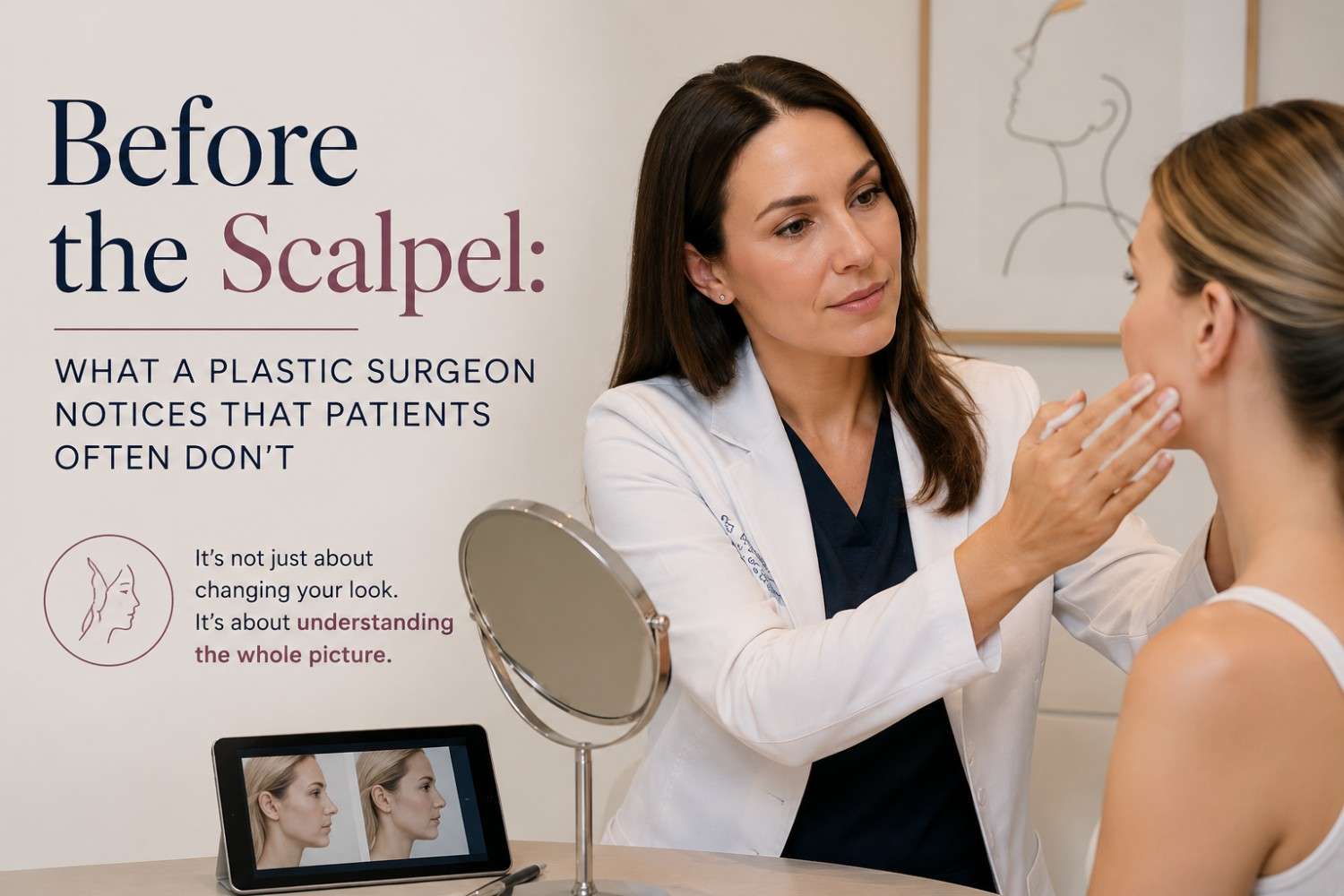
Risk reduction relies on preoperative assessment, surgical planning, and accredited facilities. A thorough history and physical exam, including nasal airway evaluation and, when appropriate, imaging, help tailor the approach. Surgeons who are board-certified in plastic surgery or otolaryngology and who perform nasal procedures regularly tend to follow evidence-based techniques and safety checklists.
Operating in accredited surgical centers or hospitals adds layers of safety, including verified sterilization processes, anesthesia monitoring by credentialed professionals, and protocols for managing emergencies. Many national professional societies and health regulators publish practice guidelines and standards for elective cosmetic and functional nasal surgery.
Types of anesthesia and their safety considerations
Rhinoplasty may be performed under general anesthesia or monitored sedation with local anesthetic, depending on the case. Anesthesia-related risks include allergic reactions, breathing problems, and cardiovascular events. Preoperative evaluation typically includes assessment of airway risk, review of medications, and guidance on fasting and smoking cessation to reduce complications. Anesthesia teams adhere to standards set by anesthesia societies and hospital credentialing bodies to improve safety.
Recovery expectations and signs to watch for
Typical recovery milestones include reduced bleeding and swelling within the first 1–2 weeks, with gradual resolution of bruising and most swelling over several weeks to months. Some residual swelling, especially at the nasal tip, may persist for many months. Follow-up visits allow for early identification of infection, hematoma, poor wound healing, or breathing difficulties.
Seek urgent medical attention for heavy or persistent bleeding, fever, severe pain not controlled by prescribed medication, changes in vision, or signs of wound breakdown. For non-urgent concerns, scheduled follow-up with the operating surgeon is appropriate.
When revision surgery might be considered
Revision rhinoplasty is considered when functional problems (such as nasal obstruction) or cosmetic issues persist after healing. Timing and planning for revision depend on tissue healing and scar maturation; many surgeons recommend waiting at least 12 months to allow swelling to subside and the structural result to stabilize. Revision procedures can be more complex and carry higher risk than primary surgery.
Choosing a qualified surgeon
Qualifications and experience are key components of rhinoplasty safety. Look for a surgeon certified by an appropriate medical board and experienced in nasal surgery. Discussion topics during consultation should include the surgeon's complication rates, the facility accreditation, anesthesia arrangements, expected recovery timeline, and realistic outcomes. It can be helpful to review before-and-after photos and to request references or patient satisfaction data where available.
Professional societies such as the American Society of Plastic Surgeons, national otolaryngology organizations, and national health services provide patient information and guidance on choosing a surgeon. For general patient guidance on cosmetic and functional nasal surgery, see the NHS information page on nose jobs (NHS).
Regulatory and evidence sources
Regulators and academic centers publish recommendations on preoperative screening and facility standards. Peer-reviewed studies in surgical journals provide data on complication rates, functional outcomes, and patient-reported satisfaction. When evaluating risks, consider both clinical evidence and guidance from national health authorities and professional societies.
FAQ
What affects rhinoplasty safety and risk?
Patient health (smoking, chronic disease), procedure complexity (primary vs revision), surgeon experience, anesthesia type, and facility accreditation all influence rhinoplasty safety. Preoperative optimization and adherence to perioperative protocols reduce risks.
How common is infection after rhinoplasty?
Infection rates are low for elective rhinoplasty when sterile technique and appropriate perioperative care are used. Antibiotic use and wound care instructions vary by surgeon and local protocols.
How long does recovery usually take?
Initial recovery (reduced bleeding and bruising) commonly occurs within 1–2 weeks. Most swelling decreases over several weeks to months, with final refined results potentially taking up to a year in some cases.
Can rhinoplasty affect breathing?
Yes. Rhinoplasty can improve or, less commonly, worsen nasal breathing depending on surgical technique and individual anatomy. Functional considerations such as septoplasty or turbinate reduction may be performed alongside cosmetic changes to preserve or improve airway function.
How can outcomes and safety be maximized?
Choose a qualified, experienced surgeon; ensure surgery is performed in an accredited facility; follow preoperative and postoperative instructions; disclose full medical history; and avoid smoking before and after surgery.
When should follow-up care be scheduled?
Postoperative follow-up is usually scheduled within the first week, with additional visits over the following months. Immediate concerns should be reported to the surgical team or the facility that performed the procedure.
For specific medical advice, diagnosis, or treatment, consult a qualified healthcare professional. This article is educational and does not replace individualized medical consultation.