How Sheer Curtains Balance Natural Light and Privacy in Any Room
-

- February 23rd, 2026
- 1,588 views
Introduction
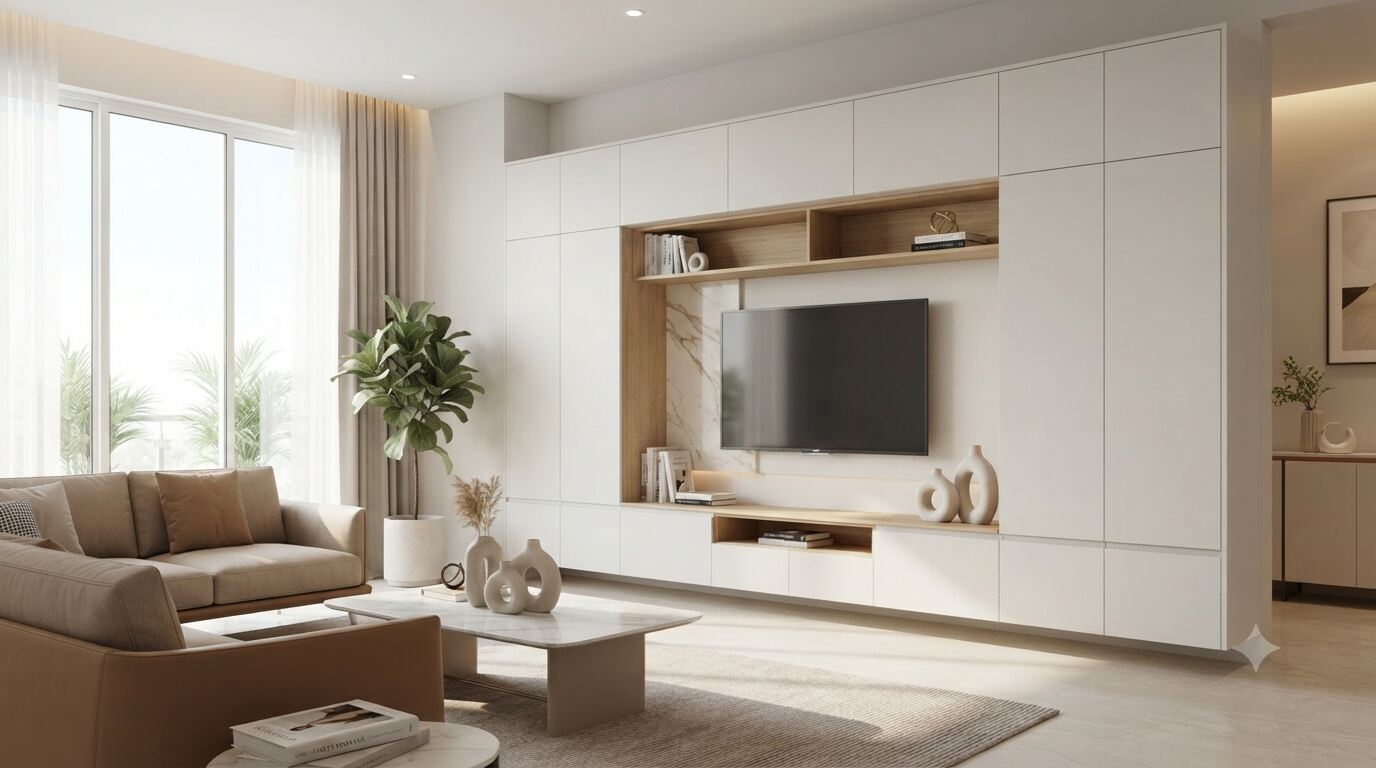
Sheer curtains are a popular window treatment for rooms where natural light and privacy are both priorities. By diffusing sunlight, reducing glare, and providing a degree of visual separation from the exterior, sheer curtains let daylight into living spaces while preserving a softer, private interior environment.
- Sheer curtains diffuse light, reduce glare, and offer daytime privacy without fully blocking views.
- Fabric weight, weave, and color affect translucency and UV protection.
- Layering with heavier drapes or blinds increases privacy and thermal performance when needed.
- Placement, maintenance, and fabric choice influence longevity and effectiveness.
Sheer curtains: benefits for light and privacy
Using sheer curtains can create a balance where spaces feel bright and open while still shielding interiors from direct view. Benefits include enhanced daylighting, softened interior illumination, reduced harsh shadows and glare, and a lightweight aesthetic that suits many decorating styles. Sheer fabrics also allow for passive solar control when combined with appropriate window orientation and additional shading strategies.
How sheer curtains work
Light diffusion and transmission
Sheer fabrics scatter incoming sunlight, producing diffuse illumination that reduces contrast between bright and shaded areas. Light transmission depends on thread count, fiber type, and weave density: loosely woven voile or chiffon allows more light; tighter weaves transmit less.
Privacy mechanisms
Privacy from sheer curtains varies by lighting conditions. During daylight, brighter exteriors and lower interior lighting levels make it difficult to see clearly into a room. At night, interior lights can make interiors more visible from outside unless additional layers or blinds are used. Many designers recommend pairing sheers with opaque curtains or shades for after-dark privacy.
Choosing fabric, color, and weight
Common fabric types
Popular sheer fabrics include polyester voile, cotton voile, linen blends, and rayon. Synthetic options often resist fading and are easier to launder, while natural fibers provide a textured appearance. Consider durability and cleaning instructions when selecting material.
Opacity, color, and light quality
White or off-white sheers maximize light reflection and preserve brightness. Warmer or darker tones filter light differently, creating cozier ambience but reducing daylight levels. Fabric weight, often measured as grams per square meter (GSM), is another useful indicator: lower GSM generally means higher translucency.
Placement, mounting, and layering strategies
Mounting options
Mount sheers close to windows for a lightweight look or extend the track above moldings to create the illusion of taller ceilings. Ceiling-mounted tracks give seamless coverage for sliding doors and wide windows.
Layering for flexibility
Layering sheers with blackout drapes, roman shades, or blinds provides daytime diffusion and nighttime privacy. A common approach is to install a double track or rod so sheer panels can be drawn independently of heavier curtains.
Light control, privacy at different times, and practical tips
Daytime vs. nighttime privacy
During the day, sheer curtains provide meaningful visual screening while keeping rooms bright. At night, when interior lighting is stronger than exterior light, sheers alone are usually insufficient for privacy. Complementary window treatments or timed lighting strategies help maintain privacy after dark.
Solar heat and UV considerations
Sheer curtains reduce direct solar gain but do not block all solar heat or ultraviolet radiation. For improved energy performance and UV protection, pair sheers with lined drapes or use window films. Guidance on residential window performance and daylighting is available from authoritative sources such as the U.S. Department of Energy, which offers recommendations on windows, shading, and energy efficiency.
Care, maintenance, and longevity
Cleaning methods
Care instructions vary by fiber. Many polyester sheers are machine washable on gentle cycles; delicate natural fibers may require hand washing or professional cleaning. Use mild detergents, avoid bleach unless specified, and dry according to fabric recommendations to prevent shrinkage.
Wear and fading
Prolonged sun exposure can weaken fibers and fade colors. Rotating sheers seasonally, using UV-resistant linings, or installing adjustable exterior shades can extend fabric life. Inspect seams and hems periodically and address small tears before they enlarge.
Design and accessibility considerations
Styling tips
Sheers suit many interior styles, from modern minimalism to traditional decor. Floor-length sheers add elegance, while shorter café-style panels provide privacy for lower window sections. Consider motorized tracks for hard-to-reach windows or for improved accessibility.
Regulatory and safety notes
Corded window treatments present entanglement risks for children and pets. Use cordless hardware or cord-clearing safety devices to comply with local building codes and safety best practices recommended by consumer safety regulators.
References and resources
For guidance on daylighting and window performance, consult resources from government energy agencies and standards organizations. Further technical information is available from the U.S. Department of Energy: https://www.energy.gov/energysaver/design/windows-doors-and-skylights.
Frequently asked questions
Do sheer curtains provide enough privacy?
Sheer curtains offer daytime privacy by diffusing exterior views when outdoor lighting is brighter than indoor lighting. At night, interior lighting makes rooms more visible from outside; combining sheers with heavier curtains, blinds, or shades is recommended for full privacy after dark.
Can sheer curtains protect furniture from sunlight?
Sheers reduce direct sunlight and can lower UV exposure, which helps slow fading of fabrics and finishes. They do not block all UV rays; for stronger protection, use lined drapes, UV-blocking films, or blinds.
What fabrics are best for sheer curtains?
Polyester voile is common for durability and easy maintenance; linen blends provide texture but may need gentler care. Choose fabric based on desired translucency, maintenance preferences, and how the material complements room design.
How should sheer curtains be layered for maximum flexibility?
Install a double track or two rods so sheers can remain closed for daylight diffusion while heavier curtains or shades are opened or closed as needed. This arrangement offers the most flexible control over light, privacy, and thermal comfort.