Avoid MOT Failure: A Practical Pre-Test Checklist and Fix Guide
-

- March 07th, 2026
- 355 views

Get a free topical map and start building content authority today.
Avoid MOT failure: how to prepare your vehicle and reduce risk
Preparing a vehicle correctly is the most reliable way to avoid MOT failure. This guide explains the key checks and simple fixes that prevent common causes of failure, describes a named checklist framework for consistent inspections, and offers practical tips for pre-MOT inspection and repairs.
Informational
Why pre-test checks matter to avoid MOT failure
An MOT test is a safety and emissions check carried out to the standards set by the Driver and Vehicle Standards Agency (DVSA). Small, easy-to-fix issues such as worn tyres, non-working bulbs, or poor windscreen wipers are responsible for a significant share of failures. A short pre-MOT inspection can catch these issues before the car reaches the test bay.
PREP MOT Checklist (named framework)
What PREP MOT stands for
- P — Parts: Securely mounted components (mirrors, seats, seatbelts, exhaust).
- R — Rubber: Tyres and hoses (tread depth, pressure, visible damage).
- E — Electronics: Lights, indicators, dashboard warning lights.
- P — Performance: Brakes, steering, suspension, engine warning signs.
MOT checklist: step-by-step
- Walk round the vehicle: check tyres, lights, mirrors, and windscreen for obvious faults.
- Check tyre pressures and tread depth (minimum legal tread in the UK is 1.6mm across central 3/4 of the breadth).
- Turn all lights on and confirm indicators, brake lights and fog lights work.
- Test windscreen wipers, washers, and check for large chips or cracks that obscure the driver's view.
- Look under the bonnet for fluid levels and obvious leaks; check the condition of visible hoses and belts.
- Drive briefly to confirm brakes feel normal and there are no unusual noises from the steering or suspension.
Common MOT failure points and quick fixes
Tyres and wheels
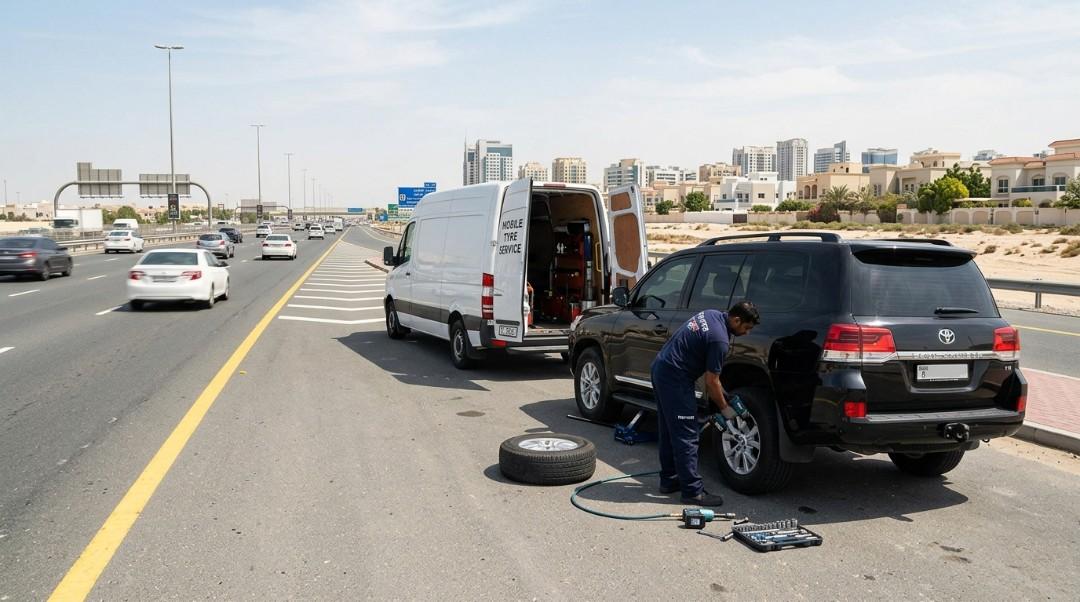
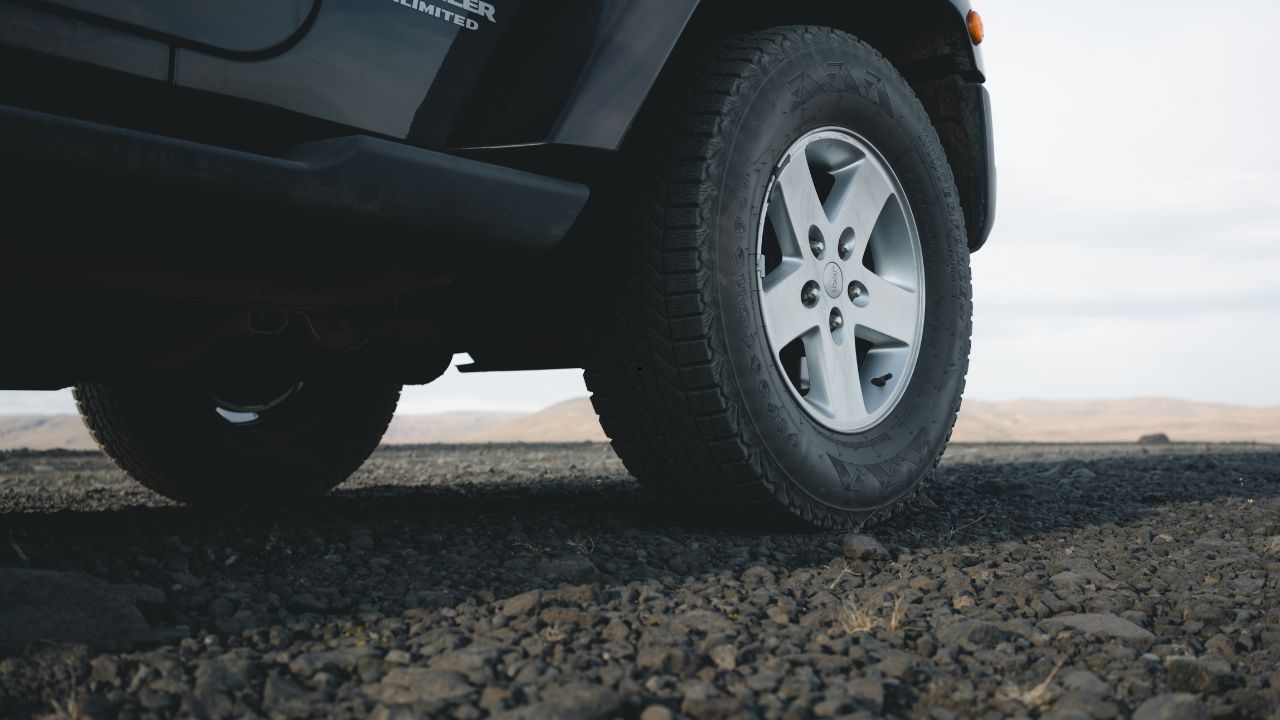
Tyres are a frequent cause of failure. Fixes: pump to correct pressure, replace tyres with insufficient tread or sidewall damage, and ensure wheel nuts are correctly tightened.
Lights and electrics
One blown bulb can cause failure. Replace bulbs before the test; check that indicators and hazard lights function and that no dashboard warning lights are present.
Brakes and suspension
If brakes feel spongy or there is pulling, have a qualified mechanic inspect pads, discs, and brake fluid. Suspension noises often indicate worn bushes or dampers that require service.
Emissions and engine issues
An illuminated engine warning light or a recent failed emissions check should be resolved before the MOT. Simple fixes include replacing a clogged air filter or ensuring the vehicle reaches normal operating temperature before the test.
Pre-MOT inspection: a practical 15–30 minute routine
Use this pre-MOT inspection routine as a repeatable pre-test process. It’s targeted to avoid MOT failure while being doable for most drivers.
Quick routine
- 5 minutes: exterior walkaround (lights, mirrors, tyres, body damage).
- 5 minutes: interior checks (seatbelts, horn, dashboard lights, wipers).
- 5–15 minutes: under-hood and brief road test (fluids, belts, brakes).
Real-world example
Scenario: A commuter noticed a small vibration and booked an MOT the following week. Using the PREP MOT checklist, the tyre tread and pressures were checked and a slow puncture was found. Replacing the tyre before the test prevented a likely fail for tyre condition and a potential advisory for vibration. The short pre-check saved time and the cost of a retest.
Practical tips to avoid MOT failure
- Book the MOT with time to fix any failures — same-week or next-day slots reduce stress and allow repairs.
- Keep basic spares: an extra bulb set, tyre repair kit or access to a garage that can replace a tyre quickly.
- Resolve dashboard warning lights before the test; many garages can perform a diagnostic scan.
- Document recent services and receipts — the tester may ask about maintenance history for components.
Common mistakes and trade-offs
Overlooking small details
Failing to check indicator bulbs, number plate illumination, or the condition of the windscreen can lead to unnecessary failure. Small things are common fail points.
Trade-offs: DIY vs professional checks
DIY checks save money and catch obvious faults, but professional inspections are faster for complex issues (brake measurements, emissions diagnostics). For uncertain problems or electronic faults, a trained technician is safer and may prevent repeat failures.
Official standards and where to learn more
For official MOT test criteria and guidance, refer to the UK government MOT pages. The Driver and Vehicle Standards Agency (DVSA) sets the legal testing standards and publishes advice for vehicle owners: GOV.UK MOT guidance.
Core cluster questions
- What are the most common reasons for an MOT fail?
- How often should tyres and brakes be checked before an MOT?
- Can a failed MOT be fixed and retested the same day?
- What does an advisory note on an MOT certificate mean?
- How to check for emissions problems before the MOT test?
When to seek professional help
If a problem involves brake efficiency, steering geometry, or persistent engine warning lights, seek a qualified technician. Attempting to drive with serious defects can be unsafe and illegal.
FAQ
How can I avoid MOT failure on my car?
Follow the PREP MOT checklist: inspect tyres, lights, electronics, and basic mechanical condition in the days before the test. Fix obvious faults, clear warning lights, and ensure fluids and tyre pressures are correct. Allow time for repairs and choose a reputable test centre.
What happens if a vehicle fails its MOT?
If a vehicle fails, the MOT certificate is not issued. The test centre will provide a VT30 failure sheet listing reasons. Repairs must be completed and the vehicle retested; some centres allow a partial retest within a set period, while others require a full retest.
Is it acceptable to drive a car to a garage after an MOT failure?
Driving a car with a non-dangerous failure to a repairer is usually permitted, but driving with a dangerous defect is unlawful and unsafe. Check local laws and follow the advice on the failure sheet.
How long before the MOT should a pre-MOT inspection be done?
Perform a pre-MOT inspection within a week of the test; this balances catching late-developing issues (tyre damage, bulbs) while allowing time for repairs.
What is the minimum tyre tread depth to pass an MOT?
The minimum legal tread depth in the UK is 1.6mm across the central ¾ of the tyre's breadth and around the entire circumference. Check all tyres, including the spare if the vehicle's equipment will be inspected.