Complete Guide to Custom Tie Box Design: Eco-Friendly Materials and Elegant Finishes
-

- March 10th, 2026
- 204 views

Get a free topical map and start building content authority today.
Detected intent: Informational
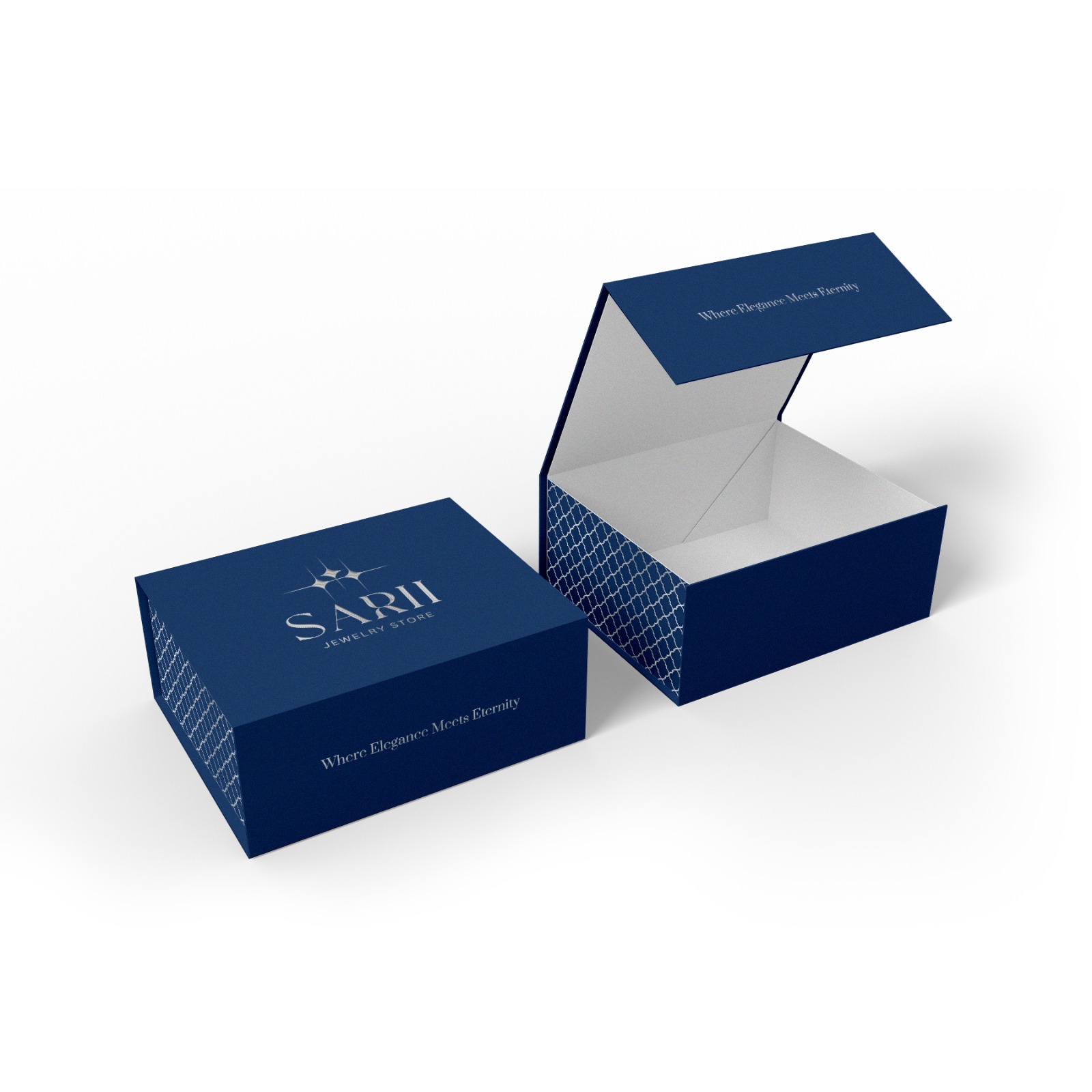
Creating a memorable unboxing starts with the right custom tie box design. This guide explains material choices, dielines and structure, printing and finishes, sustainability options, and ordering tips so designers and small brands can produce tie boxes that look high-end without unnecessary cost. The phrase "custom tie box design" is central to selecting the right style, materials, and supplier for a successful product package.
- Start with a clear dieline and purpose (gift, retail, mail-safe).
- Choose eco-friendly tie box materials (recycled board, FSC paper) or premium options (coated virgin board) depending on budget and lifespan.
- Balance finishes—embossing, foil, spot UV—for impact and cost.
- Use the TIEBOX Design Checklist to confirm artwork, structural fit, and sustainability claims before proofing.
custom tie box design: core decisions and workflow
Designing a tie box begins with defining the product fit, brand positioning, and fulfilment channel. Will the box be handed to customers in-store, shipped, or tucked inside a larger mailer? Those constraints determine board weight, structural reinforcements, and whether a locking tuck or magnetic closure is appropriate.
Materials: eco-friendly tie box materials and premium alternatives
Choose materials that match the brand's claims and the product's protection needs. Eco-friendly tie box materials include recycled paperboard (70–100% post-consumer fiber), virgin board certified by the Forest Stewardship Council (FSC), and uncoated kraft for natural texture. Premium options include coated CCNB/CCC board, duplexed boards, and specialty papers for luxury finishes.
Key material properties to compare
- Caliper/board thickness (measured in points or microns) — affects rigidity and shipping durability.
- Surface finish (uncoated, matte, gloss, textured) — matters for printing fidelity and tactile impression.
- Recyclability and compostability — verify through supplier specs or eco certifications before claiming sustainable packaging.
Structure, dielines, and fit: getting the dimensions right
Start with a dieline that matches the tie dimensions plus any protective inserts. Consider inserts (paperboard, foam, or molded pulp) to hold the tie flat and prevent creasing. For retail display, add a hang-tab option. For mailed orders, reinforce corners and consider an outer mailer.
TIEBOX Design Checklist (named checklist)
- Measure product: length, folded width, thickness — add 3–6 mm clearance.
- Choose board weight: 12–18 pt for lightweight, 20–32 pt for premium rigidity.
- Decide closure type: tuck, sleeve, magnetic, or ribbon tie.
- Specify printing: CMYK, Pantone spot, or mixed; note bleed and safe zones.
- Confirm finishes: foil, emboss, spot UV, soft-touch lamination.
- Verify sustainability claims and request material certificates (FSC, recycled content).
- Order prototype and digital/physical proofs before bulk production.
Printing and elegant finishes: how to add luxury without waste
Finishes elevate perceived value. Embossing, debossing, foil stamping, and spot UV add tactile and visual contrast. Soft-touch lamination lends a matte, premium feel. For smaller runs, digital printing with selective varnish can simulate high-end finishes at lower cost. Always account for extra makeready and tooling costs for emboss/foil when budgeting.
Trade-offs and common mistakes
Common mistakes include underestimating bleed and safe zones (causes misaligned graphics), choosing a paper that creases or cracks with heavy crease lines, and overusing complex finishes that push costs or delay production. Trade-offs to consider:
- Cost vs. impact: Foil and emboss can drastically increase perception but raise unit cost and minimum order quantities.
- Sustainability vs. finish options: Some metallic foils or lamination layers reduce recyclability.
- Speed vs. customization: Digital printing shortens lead time but may limit spot effects compared with offset + finishing.
Proofing, compliance, and supplier communication
Approve dieline mockups, digital color proofs, and a physical sample. Include packaging tests for drop, compression, and environmental exposure if shipping is a primary channel. When making sustainability claims (recyclable, compostable, recycled content), request documentation from suppliers. A useful resource for packaging standards and best practices is the Sustainable Packaging Coalition (sustainablepackaging.org).
Ordering, minimums, and cost control
Minimum order quantities (MOQs) vary widely: digital print runs can be as low as 50–100, while offset printing and custom tooling typically require several hundred to thousands. Reduce per-unit cost by standardizing sizes, reducing specialty finishes, or batching multiple designs in a single print run.
Practical tips for designers and small brands
- Use a modular dieline: design one box interior that fits several tie styles to reduce tooling and inventory.
- Request a pre-production sample: check fit, finish, and color under real lighting before mass production.
- Negotiate partial tooling or shared coffin plates with the supplier for lower tooling fees on low-volume jobs.
- Label materials clearly on spec sheets: include GSM, finish, and supplier part numbers to avoid substitutions.
Real-world example: small brand scenario
Scenario: A boutique tie maker needs 500 tie boxes for a seasonal launch. The brand chooses a recycled 24pt board with uncoated textured stock and a spot foil logo. Using the TIEBOX Design Checklist, the team creates dielines, orders a single physical prototype, and verifies fit and foil registration. By standardizing the interior insert to fit three tie styles, the brand kept the MOQ at 500 and achieved a premium look while retaining 60% recycled content.
Core cluster questions
- How does board thickness affect tie box durability and shipping?
- What finishes work best on recycled paper for a luxury look?
- How to create a dieline that fits different tie styles?
- When should a brand choose digital printing vs. offset for packaging?
- What sustainability certifications matter for packaging claims?
Common mistakes to avoid
- Skipping a physical prototype—digital proofs don’t always reveal fit or tactile issues.
- Mismatching ink type to paper stock—metallics can sink on uncoated boards.
- Claiming recyclability without verifying local recycling streams.
Final checklist before production
Confirm artwork with dieline, verify material certificates, approve physical sample, sign off on finish run order, and confirm lead times and shipping terms.
FAQ
What is custom tie box design and why does it matter?
Custom tie box design is the process of creating a box tailored to a specific tie product and brand identity, covering dimensions, materials, printing, and finishes. It matters because packaging protects the product, communicates brand quality, and shapes the unboxing experience that influences customer perception and repeat purchases.
How do eco-friendly tie box materials compare to standard materials?
Eco-friendly materials (recycled board, FSC-certified paper, uncoated kraft) often have a natural texture and lower environmental impact but may limit certain high-gloss finishes. Standard coated boards support richer color and glossy finishes but may be less recyclable depending on lamination and coatings.
What are the best finishes for luxury tie box finishes without large budgets?
Spot foil or partial foil combined with matte lamination can achieve a high-end look with targeted application, reducing cost versus full-coverage foil or extensive embossing. Spot UV on a matte stock also creates contrast while keeping expenses moderate.
How to test a dieline before placing a bulk order?
Produce a physical prototype from the selected board, assemble it, fit the tie and any inserts, and check for alignment and color under real lighting. Perform a basic drop or compression test if the box will be shipped frequently.
Are there common minimum order quantities for custom tie boxes?
MOQs vary. Digital printing can start as low as 50–100 units, while offset printing with custom tooling often requires several hundred or more. Discuss options with suppliers to identify short-run and hybrid approaches that balance cost and customization.
For ongoing projects, use the TIEBOX Design Checklist with each SKU to reduce errors and speed up approvals. Following the steps above helps ensure a visually striking, functional, and honest custom tie box design.