Practical Guide: How to Reduce Open Pores and Smooth Skin Fast
-
- March 14th, 2026
- 762 views

FREE SEO Topical Map Generator: Find Your Next Content Ideas
Many people want to reduce open pores for a smoother face without confusing or extreme treatments. This guide explains practical steps—what works, why it helps, and what to avoid—so a reliable skin routine can shrink the appearance of pores over time. Intent: Informational.
This article covers causes of visible pores, a named P.O.R.E.S. checklist for daily care, evidence-backed ingredients, a short real-world example, quick actionable tips, trade-offs and common mistakes, and five cluster questions for deeper learning. One authoritative source from the American Academy of Dermatology is cited for best-practice claims.
Detected intent: Informational
Why pores look large and what actually reduces them
The first step to reduce open pores is understanding causes: genetics, excess sebum production, loss of skin elasticity, accumulation of dead skin cells, and UV damage that breaks down collagen. Enlarged pores are usually a cosmetic concern rather than a medical issue. Reducing the visible size of pores focuses on oil control, unclogging, resurfacing the skin, and protecting collagen to tighten the skin’s surface.
Reduce open pores: The P.O.R.E.S. method (checklist)
Use this five-step framework as a practical checklist to reduce open pores consistently.
- P — Prevent buildup: Cleanse twice daily with a gentle cleanser to remove oil and makeup without stripping moisture.
- O — Oil control: Use non-comedogenic products and consider lightweight moisturizers; manage excess sebum with salicylic acid (BHA) or niacinamide.
- R — Resurface: Introduce chemical exfoliants (AHA like glycolic or BHA like salicylic) 1–3 times per week to clear pore lining and reduce dilation.
- E — Encourage collagen: Use retinoids or topical vitamin C to stimulate collagen and improve skin firmness, which reduces pore appearance.
- S — Shield: Daily broad-spectrum sunscreen prevents UV damage that enlarges pores over time.
Checklist version
- Gentle cleanser — morning and evening
- BHA (salicylic acid) 1–3×/week for oily or congested skin
- AHA (glycolic or lactic) 1–2×/week for surface smoothing
- Retinoid at night (start low frequency)
- Niacinamide for barrier and oil regulation
- Daily SPF 30+ broad-spectrum sunscreen
Key ingredients and how they work
Ingredients to prioritize when trying to minimize enlarged pores include salicylic acid (BHA) to penetrate and clear pores, alpha hydroxy acids (AHAs) to exfoliate the surface, topical retinoids to accelerate cell turnover and boost collagen, niacinamide to regulate sebum and strengthen the barrier, and sunscreen to prevent collagen breakdown. Non-comedogenic moisturizers and oil-free formulations reduce the chance of pore-clogging.
For clinical guidance and general facts about pores and skincare, the American Academy of Dermatology provides helpful, evidence-oriented advice on pore care and treatments: AAD: Pores and skin care.
Real-world example: T-zone improvement plan
Scenario: A person with oily T-zone and visible pores starts a 12-week plan. Routine: gentle foaming cleanser, 2% salicylic acid serum applied to T-zone 2 nights a week, gradual retinoid use every third night, lightweight moisturizer with niacinamide in the morning, and SPF 50 daily. After 8–12 weeks, sebum production improves, fewer clogged pores appear, and the skin surface looks smoother as cell turnover and mild collagen improvement reduce the visual size of pores.
Practical tips (actionable)
- Introduce active ingredients slowly—start with once or twice weekly and increase frequency as tolerated to avoid irritation.
- Combine a BHA (salicylic acid) with retinoid nights separated to reduce sensitivity; alternate nights if irritation occurs.
- Use chemical exfoliation (AHA/BHA) rather than frequent physical scrubs, which can inflame skin and worsen pore appearance.
- Protect skin daily with SPF to maintain collagen and long-term pore appearance.
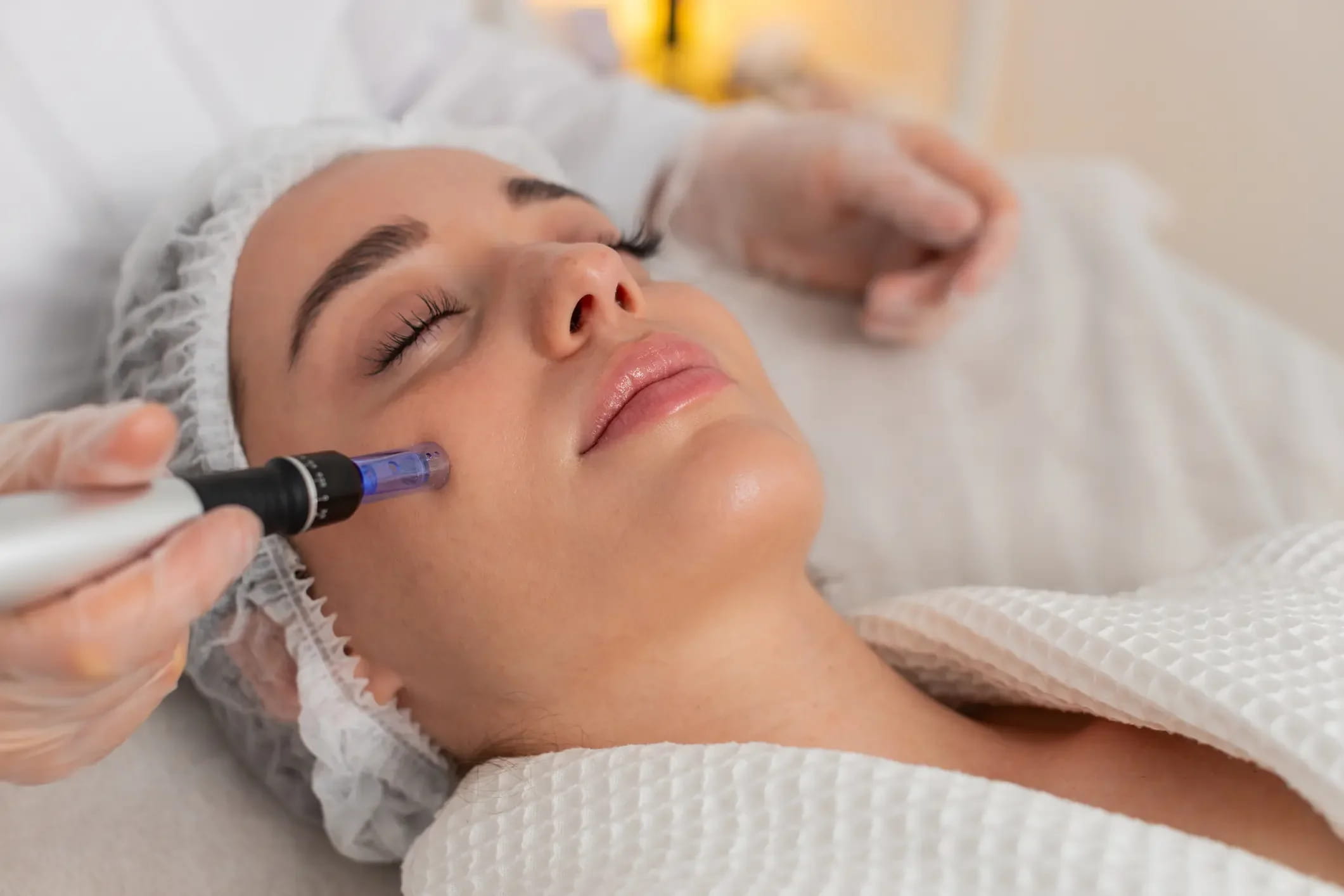
- Consider professional resurfacing (microdermabrasion, chemical peels, or fractional lasers) only after consulting a board-certified dermatologist for persistent concerns.
Trade-offs and common mistakes
Common mistakes can slow progress or make pores appear worse:
- Over-exfoliation: Excessive scrubbing or using multiple strong acids every day causes inflammation, redness, and barrier damage that enlarge pores.
- Skipping sunscreen: UV damage breaks down collagen, making pores more noticeable over time.
- Using heavy, comedogenic moisturizers: These can clog pores and counteract other treatments.
- Expecting instant results: Visible improvement usually takes 6–12 weeks as the skin’s turnover and collagen response are gradual.
When to see a professional
Consult a board-certified dermatologist if pores are accompanied by persistent acne, sudden changes in skin texture, or if over-the-counter routines cause irritation without benefit. A dermatologist can recommend prescription retinoids, in-office treatments, or procedures tailored to skin type and goals.
Core cluster questions
- What causes pores to become enlarged?
- How do salicylic acid and glycolic acid differ for pore care?
- When should a dermatologist consider laser or chemical peel for pores?
- How does sunscreen affect long-term pore appearance?
- Which moisturizers are safe for pore-prone skin?
FAQ
How can I reduce open pores?
Reduce open pores by establishing a consistent routine that prevents buildup, uses targeted chemical exfoliation (BHAs and AHAs), introduces retinoids to boost collagen, controls oil with niacinamide or lightweight formulations, and protects the skin with daily SPF. Improvements typically appear over several weeks.
Do pore-minimizing products really work?
Products containing salicylic acid, glycolic acid, retinoids, and niacinamide have evidence for reducing visible pore size and improving skin texture when used properly. Results vary by skin type and adherence to a routine.
Can makeup permanently reduce pore size?
Makeup and primers only temporarily blur or fill pores. Long-term reduction requires topical treatments and sun protection to improve skin elasticity and reduce clogging.
Are facial masks helpful for large pores?
Certain masks can help temporarily—clay masks reduce oil and charcoal masks absorb impurities—while chemical mask treatments (light peels) can improve texture. Avoid overuse to prevent irritation.
How long does it take to see results?
Expect gradual improvement in 6–12 weeks with consistent use of exfoliants and retinoids. Some changes, like temporary oil reduction from products, can be seen sooner.
For best outcomes, follow the P.O.R.E.S. method consistently, avoid common mistakes, and consult a board-certified dermatologist for persistent or severe concerns. The practical steps above create a balanced, evidence-aware plan to minimize the appearance of pores and smooth the face over time.