Best Men's Facial: Practical Guide to Transforming Skin
-
- March 03rd, 2026
- 673 views
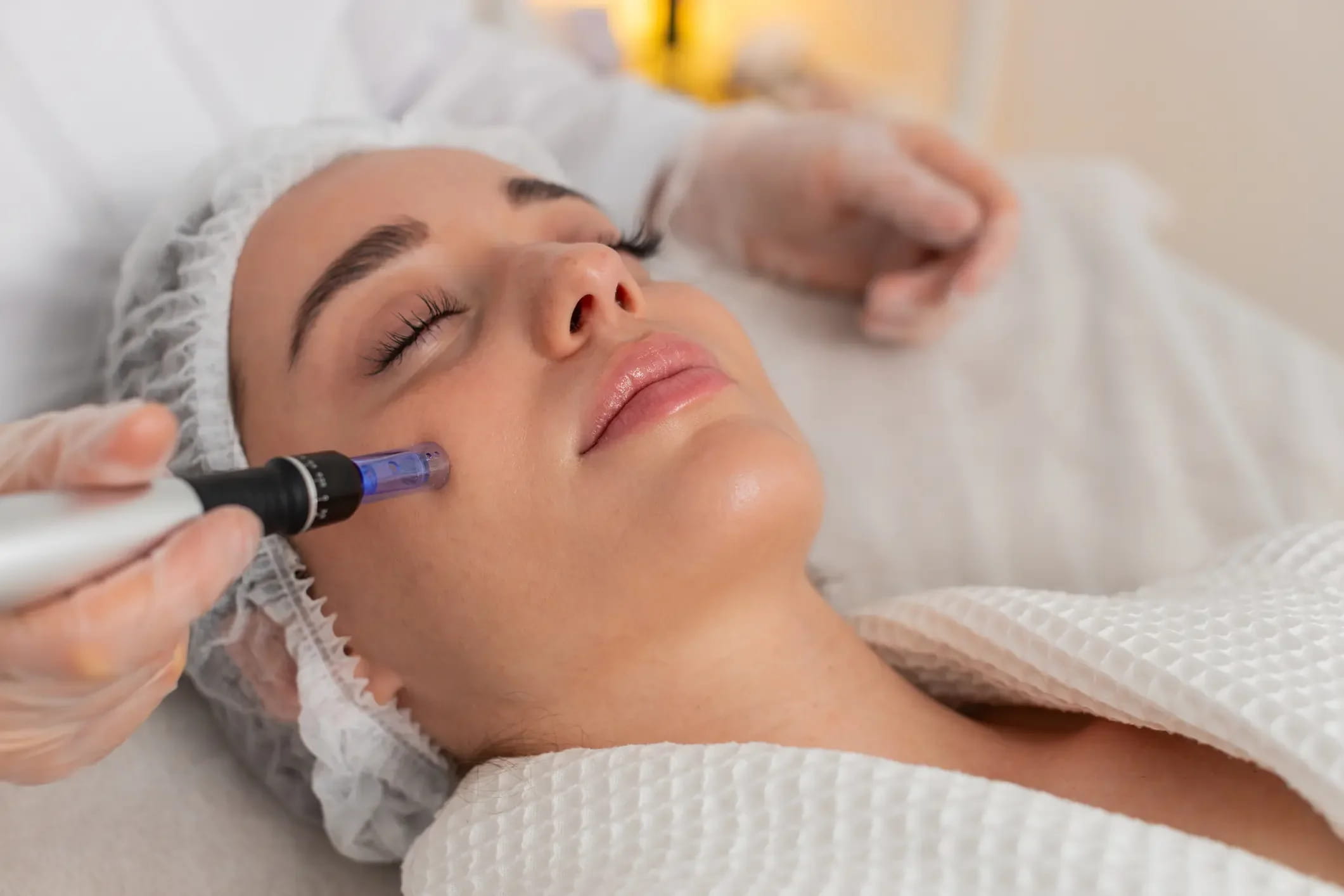
Searching for the best men's facial starts with clear goals: reduce congestion, control oil, treat sensitivity, or refresh signs of aging. This guide explains common facial types, the trade-offs between them, and a reproducible C.L.E.A.R. framework to pick or plan a routine that produces visible results.
Detected intent: Commercial Investigation
Best men's facial: how to choose the right treatment
Choosing the best men's facial begins with identifying skin type (oily, combination, dry, sensitive) and the primary concern—acne, blackheads, enlarged pores, irritation, or signs of aging. Many spas and dermatology clinics list services such as deep-cleansing facials, chemical peels, microdermabrasion, and LED therapy. For people searching for a men's deep-cleansing facial or specialized options for sensitive skin, comparing outcomes, downtime, and maintenance needs is essential.
How men's skin differs and why it matters
Men typically have thicker, oilier skin with larger pores and more facial hair, which affects product penetration and extraction needs. Testosterone-driven oiliness increases the likelihood of comedones and congestion. That makes extraction-focused treatments, careful exfoliation, and oil-regulating serums more relevant than treatments designed only for thinner or drier skin.
Common facial treatments explained
Deep-cleansing facial (men's deep-cleansing facial)
Designed to remove buildup and blackheads using steam, manual or mechanical extraction, and an appropriate exfoliant. Low downtime and good for oily or congestion-prone skin.
Chemical peels and enzymatic exfoliation
Use acids such as glycolic, lactic, or salicylic acid to resurface skin. Salicylic acid targets oily, acne-prone skin; glycolic acid is better for texture and mild photoaging. Peels vary by depth and downtime—milder peels can be performed more frequently.
Microdermabrasion and manual exfoliation
Mechanical resurfacing removes the outermost dead skin layer to reduce roughness and dullness. Good for smoothing texture; less effective on deep congestion compared with chemical exfoliants.
LED, radiofrequency, and add-on serums
LED (blue/red) can reduce inflammation and stimulate collagen. Radiofrequency addresses laxity. Antioxidant serums and niacinamide are common add-ons to control oil and strengthen barrier function.
C.L.E.A.R. Facial Framework (a reproducible checklist)
This named framework clarifies what a results-driven facial should include:
- Consultation — Skin analysis and goal setting.
- Layering — Use products in a proven sequence (cleanse, exfoliate, treat).
- Extraction — Careful removal of comedones when needed.
- Antioxidant/active — Introduce serums (vitamin C, niacinamide, or peptide blends).
- Recovery — Soothing, SPF in AM, and at-home maintenance plan.
Practical checklist before booking
- Confirm a consultation is included (no one-size-fits-all treatments).
- Ask which exfoliant will be used (salicylic vs. glycolic; enzyme vs. mechanical).
- Confirm whether extractions are performed and by whom (esthetician vs. medical provider).
- Check downtime and post-care instructions—especially if using chemical peels or stronger modalities.
- Verify sun protection recommendations and follow-up schedule.
Real-world example
Case: A 35-year-old with oily, acne-prone skin wants fewer blackheads and a smoother tone. Recommended path: start with a consult, schedule a men's deep-cleansing facial that includes steam, targeted salicylic acid exfoliation, manual extractions, and a calming antioxidant mask. Follow with at-home salicylic cleanser (0.5–2%), twice-weekly chemical exfoliation per provider advice, and daily SPF. Expect measurable improvement after 3–6 sessions spaced 2–4 weeks apart.
Practical tips for better results
- Bring a list of current products and any active prescriptions to the consultation to avoid conflicting actives.
- Start with conservative exfoliation if unsure—ramping up intensity is safer than abrupt strong peels.
- Use an oil-free, non-comedogenic sunscreen daily after treatments to prevent post-procedure hyperpigmentation.
Common mistakes and trade-offs
Trade-offs to consider: stronger peels give faster visible results but increase downtime and irritation risk. Frequent manual extraction reduces blackheads but risks scarring if done aggressively. Combining multiple strong treatments (deep peel plus aggressive microdermabrasion) increases complication risk and should be overseen by a medical provider.
Common mistakes:
- Skipping a formal skin analysis and choosing a facial because it’s popular.
- Using conflicting active ingredients immediately after a professional peel (e.g., retinoids or strong vitamin C without guidance).
- Neglecting sun protection—post-treatment skin is more vulnerable to UV damage.
Facial treatments for men with sensitive skin
For sensitive skin, favor enzyme-based exfoliants, low-concentration lactic peels, calming masks (centella, aloe), and LED therapy. Always request a patch test for new actives and prioritize hydration and barrier-repair serums containing ceramides and hyaluronic acid.
Core cluster questions
- What facial treatment is best for oily male skin?
- How often should men get a professional facial to maintain results?
- What are the differences between chemical peels and microdermabrasion for men?
- Which ingredients should be avoided after a professional facial?
- How to choose between a spa facial and a medical facial?
For evidence-based guidance on basic skin care and sun protection recommendations, consult resources from respected organizations such as the American Academy of Dermatology: American Academy of Dermatology — Men's Skin Care.
What is the best men's facial for oily skin?
A men's deep-cleansing facial that includes salicylic acid exfoliation, careful extractions, oil-regulating serums, and a calming mask is typically the best option for oily skin. Consistent maintenance and at-home cleansers tailored to oil control improve long-term results.
How long does it take to see results from a professional facial?
Visible improvement in texture and clarity can appear after one treatment, but meaningful, sustained change usually requires 3–6 sessions spaced as recommended by the provider, combined with appropriate at-home care.
Can professional facials cause irritation or scarring?
When performed correctly by trained staff and with appropriate assessment, risks are low. Aggressive extractions or overly deep peels done without medical oversight increase the risk of irritation and scarring. Always verify provider training and ask about patch testing for strong treatments.
How should a facial be followed up at home?
Follow the provider’s post-care plan: gentle cleansing, barrier-repair moisturizers, targeted actives as advised, and daily SPF. Delay reintroducing retinoids or strong acids until recommended by the clinician.
How to choose between a spa facial and a medical facial?
Medical facials, offered by dermatology clinics, are better for significant acne, pigmentation, or when stronger chemical peels are required. Spa facials are appropriate for routine maintenance and relaxation. The right choice depends on skin goals, the need for medical oversight, and acceptable downtime.