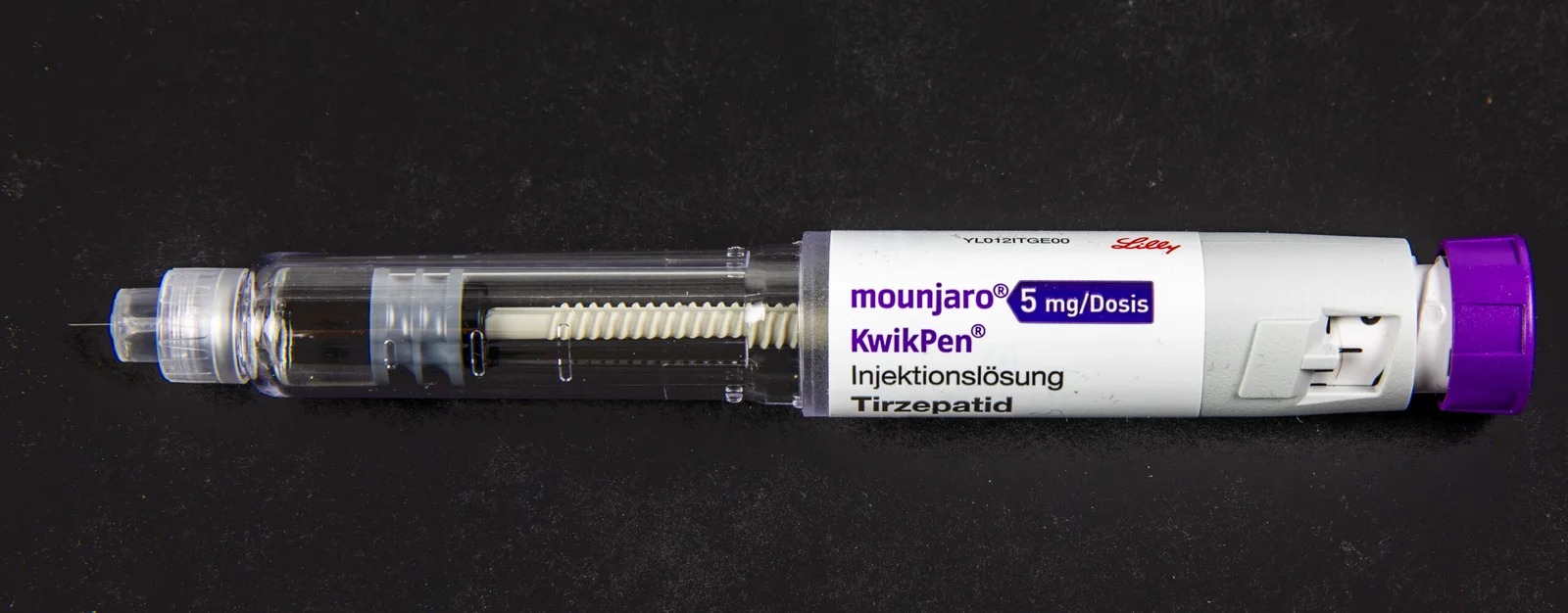
How Weight Loss Injections Work: Effectiveness, Safety, and Access
-

- February 26th, 2026
- 1,473 views
Weight loss injections have become a widely discussed option for adults seeking medical support for obesity and overweight. These therapies, often involving hormones that affect appetite and metabolism, are studied for their ability to produce clinically meaningful weight reduction when combined with lifestyle changes and clinical supervision.
- Weight loss injections act on hormonal and metabolic pathways to reduce appetite and support weight loss.
- Clinical trials report variable but often significant average weight reductions compared with lifestyle measures alone.
- Potential side effects and contraindications exist; regulatory agencies recommend medical supervision.
- Access, cost, and insurance coverage vary; long-term effectiveness and safety remain areas of active research.
What are weight loss injections and how they work
Weight loss injections refer to prescription medications administered by subcutaneous or other parenteral routes that influence appetite, satiety, gastric emptying, or metabolic regulation. Many of these agents mimic or enhance incretin hormones, such as glucagon-like peptide-1 (GLP-1), which act on brain and gut receptors to reduce hunger and slow gastric emptying. Other injectable agents target different neuroendocrine pathways involved in energy balance.
Basic physiological effects
These medications can reduce caloric intake by increasing feelings of fullness, lowering appetite signals, and altering reward responses to food. Some agents also affect glucose metabolism, which is relevant for people with type 2 diabetes. The mechanism of each compound varies; clinical decisions typically consider the specific pharmacology, dosing schedule, and intended outcomes.
Evidence of effectiveness and typical outcomes
Randomized clinical trials and systematic reviews report a range of average weight loss outcomes depending on the agent, dose, and duration. Many studies measure percentage body weight lost at 6 to 12 months. In general, prescription injectable therapies can produce greater weight loss than lifestyle intervention alone, though individual responses vary.
Clinical trial findings
Trials often report mean percentage weight loss and the proportion of participants achieving clinically important thresholds (for example, 5% or 10% of body weight). Results depend on study populations, baseline body mass index (BMI), coexisting conditions, and adherence. Peer-reviewed journals and academic institutions publish these findings; systematic reviews in major medical journals synthesize the evidence.
Who may be a candidate and preliminary evaluation
Candidate selection typically follows clinical guidelines that consider BMI, obesity-related health conditions, and previous attempts at weight management. Healthcare providers evaluate medical history, current medications, pregnancy status, and potential contraindications before prescribing an injectable therapy. Regulatory agencies and professional societies provide guidance on appropriate use and monitoring.
Clinical considerations
Assessment commonly includes measurement of weight, BMI, blood pressure, glucose and lipid profiles, and discussion of treatment goals. Shared decision-making about benefits, risks, expected course, and costs helps align therapy choice with patient preferences and clinical priorities.
Safety, side effects, and monitoring
Common side effects reported in trials include gastrointestinal symptoms such as nausea, vomiting, constipation, and abdominal discomfort. Less common but more serious events are evaluated in post-marketing surveillance. Long-term safety data continue to accumulate through registries and ongoing studies.
Recommended monitoring
Monitoring plans vary by medication and patient profile but often include periodic assessment of weight, metabolic parameters (blood glucose, lipids), and adverse effects. Some agents require specific precautions or are contraindicated in certain conditions; documentation of risks and periodic review by a clinician are standard practice.
Access, cost, and practical considerations
Access to weight loss injections depends on regulatory approval, prescribing practices, and insurance coverage in a given country. Out-of-pocket costs can be substantial where coverage is limited. Clinics that provide these therapies may also offer education on injection technique and lifestyle integration.
Supply and prescription models
These medications are available by prescription and should be obtained through licensed pharmacies or authorized providers. Some programs package medication with counseling and follow-up; others focus on medication-only approaches. Verification of credentials and transparent discussion of fees are important for individuals considering therapy.
Regulation, guidelines, and ongoing research
Regulatory authorities such as the U.S. Food and Drug Administration (FDA) and health agencies in other countries review clinical trial evidence for safety and efficacy before approving medications. Professional organizations and academic researchers continue to study comparative effectiveness, long-term outcomes, and use in diverse populations. For regulatory information and safety communications, consult the relevant national authority.
For official regulatory guidance and updates, see the FDA's resources on prescription medications and weight-management therapies: U.S. Food and Drug Administration.
Practical tips for people considering treatment
Questions to clarify with a clinician
Before starting an injectable therapy, common points to review include expected benefits and timelines, potential side effects and how they are managed, required monitoring tests, interactions with existing medications, pregnancy planning, and cost or insurance coverage. Documentation of informed consent and a plan for follow-up support are typical components of care.
Combining therapy with lifestyle measures
Clinical trials typically combine medication with lifestyle counseling. Nutritional adjustments, physical activity, and behavioral strategies remain core components of weight management. Medications may enhance the effectiveness of these approaches but are most often intended as part of a comprehensive plan rather than a stand-alone solution.
Research directions and knowledge gaps
Key areas of ongoing research include long-term cardiovascular outcomes, optimal duration of therapy, strategies for discontinuation and maintenance, use in specific populations (such as older adults or adolescents), and comparative effectiveness between different agents. Surveillance by public health agencies and peer-reviewed research contribute to evolving recommendations.
Conclusion
Weight loss injections represent a pharmacological tool that can aid weight management for some individuals when used under clinical supervision and combined with lifestyle measures. Decision-making involves evaluation of benefits, risks, monitoring requirements, and practical considerations such as access and cost. Official health authorities and clinical guidelines provide frameworks for appropriate use as evidence continues to develop.
Frequently asked questions
What are weight loss injections and how do they help with weight reduction?
Weight loss injections are prescription medications that act on hormones and neural pathways involved in appetite and metabolism, often reducing hunger and increasing satiety to support dietary changes and weight reduction.
Are weight loss injections safe for everyone?
Safety varies by medication and individual medical history. Contraindications, potential drug interactions, and symptom monitoring mean that suitability should be evaluated by a qualified clinician. Regulatory agencies provide safety communications and prescribing information.
How much weight can typically be lost with these treatments?
Average weight loss in clinical trials varies; many studies report clinically meaningful weight reductions compared with lifestyle interventions alone, but individual results differ based on dose, adherence, and baseline health status.
Will weight return after stopping injections?
Weight regain can occur after discontinuation of pharmacologic therapy. Long-term maintenance strategies, lifestyle changes, and follow-up care influence outcomes. Research continues to define optimal maintenance approaches.
How can someone learn more or determine if weight loss injections are appropriate?
Discussion with a licensed healthcare professional who can review medical history, current treatments, and treatment goals is the recommended step to determine appropriateness and to plan for safe use and monitoring.