Hydraulic Fittings in India – Hydrofit Engineer
-
- Published Updated
- 73 views
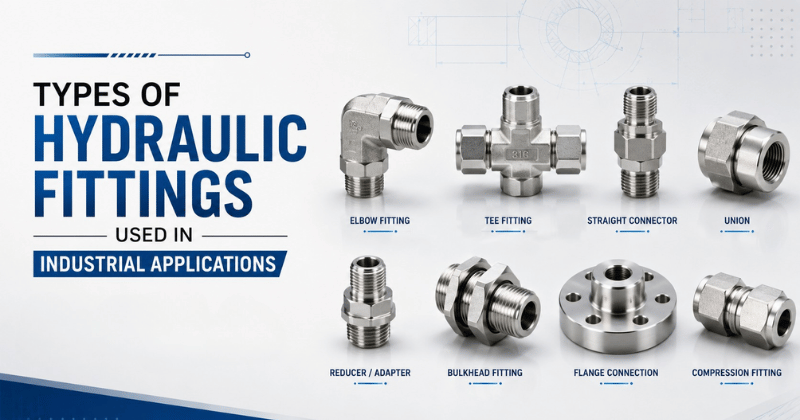
Hydraulic systems are widely used in modern industries to transmit power through pressurized hydraulic fluid. At the heart of these systems are reliable connection components that allow fluid to move safely between pumps, valves, cylinders, motors, hoses, pipes, and other equipment. Hydraulic fittings play a critical role in creating these connections and ensuring efficient, leak-resistant operation.
In India, hydraulic fittings are used across a wide range of industries, including construction, manufacturing, agriculture, automotive, mining, material handling, engineering, and industrial automation. As hydraulic equipment becomes increasingly important for industrial productivity, the demand for durable and precision-engineered hydraulic fittings continues to grow.
Hydrofit Engineer provides hydraulic connection solutions designed for a variety of industrial and hydraulic applications.
What Are Hydraulic Fittings?
Hydraulic fittings are specially designed components used to connect hydraulic hoses, tubes, pipes, valves, pumps, cylinders, and other components in a hydraulic circuit.
Unlike ordinary pipe fittings, hydraulic fittings are engineered to operate under demanding conditions, including high pressure, vibration, temperature fluctuations, and continuous mechanical stress.
A properly selected hydraulic fitting helps:
Maintain consistent hydraulic fluid flow
Prevent fluid leakage
Handle high operating pressure
Provide secure connections
Improve hydraulic system reliability
Simplify installation and maintenance
Reduce equipment downtime
Hydraulic fittings are available in different designs, sizes, thread configurations, materials, and sealing arrangements to meet specific application requirements.
Importance of Hydraulic Fittings in Hydraulic Systems
A hydraulic system can only perform reliably when all its components work together effectively. Even when the pump, valve, cylinder, and hose are properly selected, an unsuitable fitting can become a weak point in the system.
A quality hydraulic fitting creates a secure connection between components and helps maintain system pressure. It also accommodates the mechanical and environmental conditions encountered during operation.
For industries where machinery operates continuously, reliable hydraulic fittings can help reduce unexpected leakage, maintenance interruptions, and component replacement.
Types of Hydraulic Fittings
There are many types of hydraulic fittings available for different applications and connection requirements.
1. Hydraulic Hose Fittings
Hydraulic hose fittings connect flexible hydraulic hoses to equipment such as pumps, valves, cylinders, and motors. They are available in different configurations and connection standards.
The correct hose fitting should be selected according to hose construction, pressure rating, fitting size, and application requirements.
2. Hydraulic Adapters
Hydraulic adapters are used when two components have different connection types, sizes, or thread configurations.
Adapters can be useful when integrating different hydraulic components into an existing system or modifying a hydraulic circuit.
3. Elbow Fittings
Elbow fittings change the direction of a hydraulic line. Common configurations include 45-degree and 90-degree elbows.
They are useful when space is limited or when hydraulic lines need to be routed around machinery and other components.
4. Tee Fittings
Tee fittings have three connection points and allow a hydraulic line to branch into two directions.
They are commonly used in hydraulic circuits where fluid needs to be distributed between different components.
5. Cross Fittings
Cross fittings provide four connection points and are used in hydraulic circuits requiring multiple connection branches.
6. Hydraulic Couplings
Hydraulic couplings allow hydraulic lines to be connected and disconnected efficiently. Quick couplings are particularly useful in applications where attachments or hydraulic equipment need to be changed frequently.
7. Bulkhead Fittings
Bulkhead fittings are designed for applications where hydraulic lines need to pass through a panel, frame, or wall. They provide a secure connection while allowing organized routing of hydraulic lines.
8. Reducer Fittings
Reducer fittings connect hydraulic components with different port sizes. They help accommodate differences in hose, tube, or port dimensions while maintaining a suitable connection.
Hydraulic Fitting Materials
The material of a hydraulic fitting has a direct impact on its durability, corrosion resistance, pressure capability, and suitability for different operating environments.
Common materials include:
Stainless Steel Hydraulic Fittings
Stainless steel fittings offer excellent corrosion resistance and are suitable for demanding environments where exposure to moisture, chemicals, or corrosive substances is a concern.
Carbon Steel Hydraulic Fittings
Steel hydraulic fittings are widely used in industrial and mobile hydraulic applications because of their strength and ability to withstand demanding operating conditions.
Brass Hydraulic Fittings
Brass fittings are used in selected hydraulic and fluid-handling applications where their material properties and corrosion resistance are suitable.
The correct material should always be selected according to the application, hydraulic fluid, pressure, temperature, and environmental conditions.
Hydraulic Fitting Connection Types
Hydraulic fittings are available with various connection and thread configurations. The appropriate connection depends on the hydraulic equipment and applicable engineering requirements.
Common connection types may include:
BSP threads
Metric threads
NPT threads
JIC connections
ORFS connections
Compression connections
Flared connections
Tube fittings
Hose-end connections
Before ordering a hydraulic fitting, it is important to verify the thread type, size, sealing method, and mating connection. Two fittings that appear similar may have different thread specifications and may not be compatible.
Applications of Hydraulic Fittings in India
Hydraulic fittings are used in almost every industry that relies on hydraulic power.
Construction Machinery
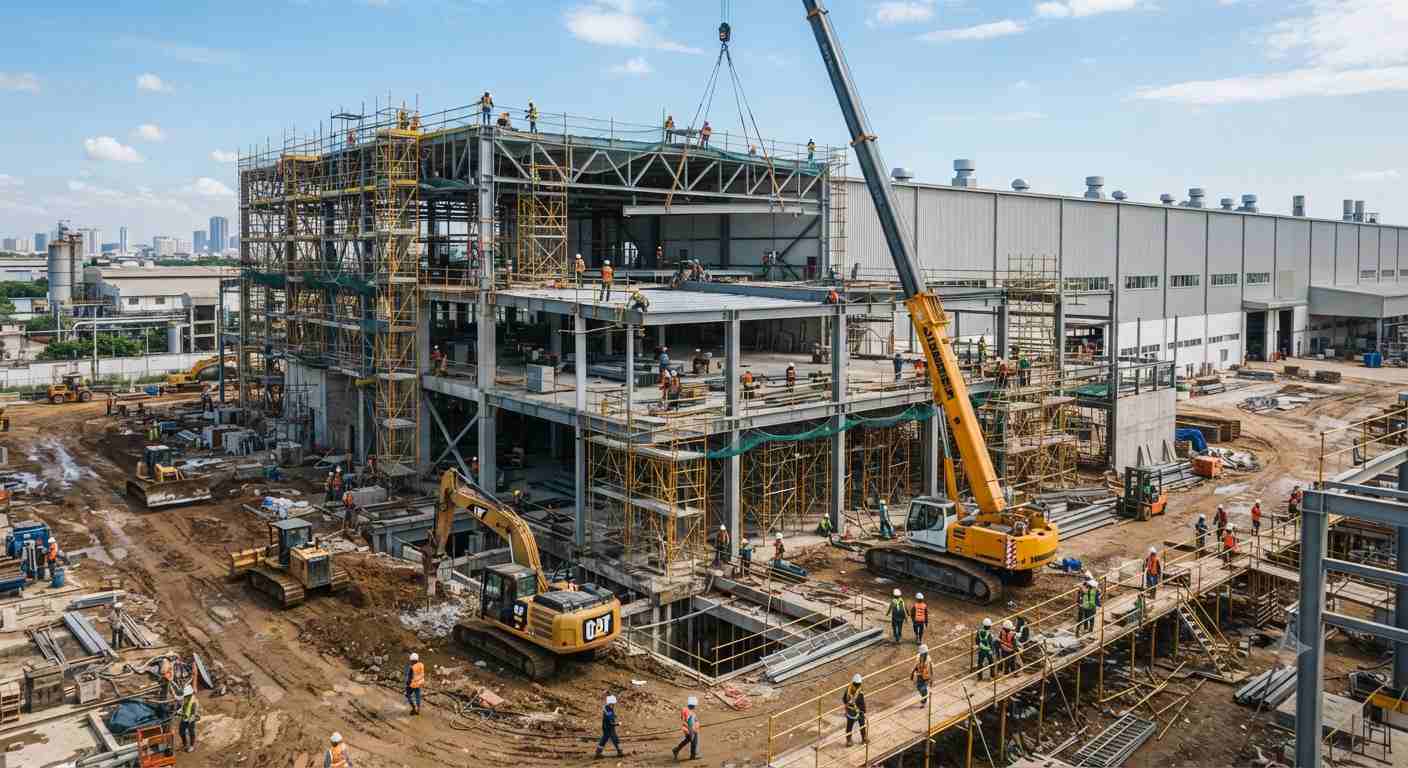
Excavators, backhoe loaders, cranes, wheel loaders, and other construction machinery use hydraulic systems for lifting, digging, steering, and movement.
Hydraulic fittings provide connections between hoses, valves, hydraulic cylinders, pumps, and other components.
Manufacturing Industries
Hydraulic systems are commonly found in presses, injection molding machines, machine tools, production machinery, and automated industrial equipment.
Reliable fittings help maintain hydraulic pressure and fluid circulation during continuous operation.
Agricultural Machinery
Modern agricultural machinery uses hydraulic systems for lifting, steering, implements, and other mechanical functions.
Tractors, harvesters, sprayers, and agricultural attachments may require different types of hydraulic fittings depending on their design.
Mining Equipment
Mining machinery operates in demanding environments where equipment can experience dust, vibration, heavy loads, and continuous operation.
Suitable hydraulic fittings help maintain secure connections in hydraulic circuits used for mining equipment.
Material Handling Equipment
Forklifts, hydraulic lifts, stackers, loading equipment, and other material-handling machinery rely on hydraulic systems for lifting and positioning.
Automotive and Transportation Equipment
Hydraulic systems are also used in specialized vehicles, lifting systems, workshops, transportation equipment, and other applications.
Benefits of High-Quality Hydraulic Fittings
Selecting suitable hydraulic fittings can provide several operational advantages.
Improved Leak Prevention
Properly matched fittings and sealing systems help reduce the risk of hydraulic fluid leakage.
High-Pressure Performance
Hydraulic fittings are designed for specific pressure ratings, making it possible to build systems capable of handling demanding hydraulic applications.
Reliable Connections
A correctly installed fitting provides a secure connection between hydraulic components and helps maintain system integrity.
Reduced Maintenance
Quality components and correct installation can help reduce recurring leakage and connection-related maintenance.
Better System Efficiency
Properly selected fittings help maintain appropriate fluid flow and reduce unnecessary restrictions within the hydraulic circuit.
Longer Equipment Service Life
Reliable connections can reduce stress on hydraulic components and help maintain consistent system performance.
How to Choose the Right Hydraulic Fitting
Choosing the right hydraulic fitting requires more than simply matching the fitting size. Several technical factors should be evaluated.
1. Determine the Fitting Size
The fitting must match the hose, tube, and port dimensions of the hydraulic system.
2. Check Pressure Rating
Always verify that the fitting can safely handle the system's maximum operating pressure.
3. Identify the Thread Standard
Determine whether the system uses BSP, metric, NPT, JIC, ORFS, or another connection standard.
4. Select the Correct Material
Material selection should consider corrosion, temperature, hydraulic fluid compatibility, and operating environment.
5. Consider Temperature
Hydraulic fittings should be suitable for the minimum and maximum temperatures expected during operation.
6. Consider Vibration
Mobile machinery and heavy equipment can generate significant vibration. The connection system should be appropriate for the application's mechanical conditions.
7. Check Fluid Compatibility
The fitting material and sealing components should be compatible with the hydraulic fluid being used.
Hydraulic Fittings and Leak Prevention
Hydraulic fluid leakage can result from several factors, including incorrect fitting selection, improper installation, damaged seals, excessive vibration, over-tightening, or damaged threads.
To minimize leakage:
Use the correct fitting for the application.
Confirm thread compatibility before installation.
Use the recommended sealing method.
Avoid excessive tightening.
Inspect hoses and fittings regularly.
Replace damaged seals and components.
Ensure hydraulic lines are properly supported.
Follow the manufacturer's installation recommendations.
A fitting should never be forced onto an incompatible thread. Doing so can damage the connection and potentially create a safety hazard.
Common Hydraulic Fitting Problems
Some common problems encountered in hydraulic systems include:
Hydraulic Leakage
Leakage may occur because of damaged seals, loose connections, incorrect fitting selection, or worn components.
Damaged Threads
Cross-threading, over-tightening, or repeated installation can damage threads and compromise the connection.
Corrosion
Exposure to moisture, chemicals, and harsh environments can cause corrosion. Selecting an appropriate material can help address this issue.
Pressure Drop
Incorrect fitting size, excessive bends, restrictions, or unsuitable components can contribute to pressure loss within a hydraulic circuit.
Vibration-Related Failure
Continuous vibration can place stress on fittings and connections, particularly in mobile hydraulic equipment.
Regular inspection and preventive maintenance can help identify these problems before they lead to major equipment downtime.
Installation of Hydraulic Fittings
Proper installation is essential for reliable hydraulic performance.
Before installation:
Clean the fitting, hose, and mating connection.
Inspect threads and sealing surfaces.
Confirm the fitting specification and size.
Ensure the hose is correctly prepared.
Install the fitting according to the manufacturer's recommendations.
Tighten the connection using the appropriate procedure.
Check the system after pressurization for signs of leakage.
Avoid using excessive force during installation. Over-tightening can damage threads, seals, and fitting bodies.
Maintenance of Hydraulic Fittings
Preventive maintenance is an important part of hydraulic system management.
Regular inspections should check for:
Hydraulic fluid leakage
Corrosion
Damaged threads
Cracked or damaged fittings
Loose connections
Hose abrasion
Excessive vibration
Damaged seals
Unusual pressure or temperature changes
Replacing a damaged fitting promptly can help prevent more extensive hydraulic system problems.
Why Choose Hydrofit Engineer for Hydraulic Fittings?
Hydrofit Engineer focuses on providing hydraulic connection solutions for industrial and mobile hydraulic applications.
When sourcing hydraulic fittings, customers often require products that meet specific technical requirements rather than a one-size-fits-all solution. Hydrofit Engineer can support hydraulic fitting requirements based on factors such as:
Fitting configuration
Connection type
Size
Material
Pressure requirements
Application
Installation requirements
Hydraulic system specifications
Whether the requirement involves machinery manufacturing, equipment maintenance, hydraulic assemblies, or industrial applications, selecting the appropriate fitting is essential for reliable system performance.
Hydraulic Fittings for Industrial Applications
Industrial hydraulic systems often operate for extended periods and may be exposed to high pressure, vibration, heat, and demanding working conditions.
For such applications, hydraulic fittings should be selected based on actual operating parameters rather than appearance or price alone.
Important specifications to consider include:
Maximum working pressure
Temperature range
Hydraulic fluid
Thread standard
Tube or hose size
Material
Sealing method
Application environment
Providing accurate technical information to your hydraulic fitting supplier can make the selection process easier and help ensure compatibility.
Hydraulic Fittings Supplier in India
India has a growing industrial and manufacturing sector, creating demand for hydraulic components used in machinery, automation, construction equipment, agricultural equipment, and engineering applications.
When looking for a hydraulic fittings supplier in India, businesses should consider product specifications, quality consistency, technical support, availability, and application suitability.
Hydrofit Engineer serves customers looking for hydraulic fitting solutions for various industrial requirements.
Frequently Asked Questions About Hydraulic Fittings
What are hydraulic fittings used for?
Hydraulic fittings are used to connect hoses, pipes, tubes, valves, pumps, cylinders, motors, and other components in hydraulic systems.
How do I select a hydraulic fitting?
Consider the fitting size, connection type, thread standard, pressure rating, material, temperature, hydraulic fluid, and application environment.
Are all hydraulic fittings interchangeable?
No. Hydraulic fittings can differ in thread type, size, sealing method, pressure rating, and design. Components should be checked for compatibility before installation.
What materials are hydraulic fittings available in?
Common materials include stainless steel, carbon steel, brass, and other specialized alloys, depending on the application.
Where are hydraulic fittings used?
They are used in construction equipment, manufacturing machinery, agriculture, mining, material handling, automotive equipment, industrial automation, and many other hydraulic applications.
How can hydraulic fitting leakage be prevented?
Use the correct fitting, ensure thread and sealing compatibility, follow proper installation procedures, avoid over-tightening, and inspect fittings regularly.
Conclusion
Hydraulic fittings are essential components in modern hydraulic systems. They provide secure connections between hydraulic hoses, tubes, pipes, valves, pumps, cylinders, and other components while helping systems connection type, material, temperature, hydraulic fluid, and operating environment. Proper installation and regular maintenance are equally important for preventing leakage and maintaining reliable operate safely and efficiently.
From construction machinery and agricultural equipment to manufacturing, mining, material handling, and industrial automation, hydraulic fittings are required in a wide variety of applications.
Choosing the correct fitting involves considering pressure, size, connection type, material, temperature, hydraulic fluid, and operating environment. Proper installation and regular maintenance are equally important for preventing leakage and maintaining reliable hydraulic performance.
For businesses looking for hydraulic fittings in India, Hydrofit Engineer offers hydraulic connection solutions designed around different industrial and application requirements.
Hydrofit Engineer – Hydraulic Fittings for Reliable Hydraulic Connections.
Visit Page : https://www.hydrofitengineers.com/hydraulic-fittings/