Best Hyperbaric Chamber Features for Athlete Recovery and Wellness
-
- Published Updated
- 3,462 views
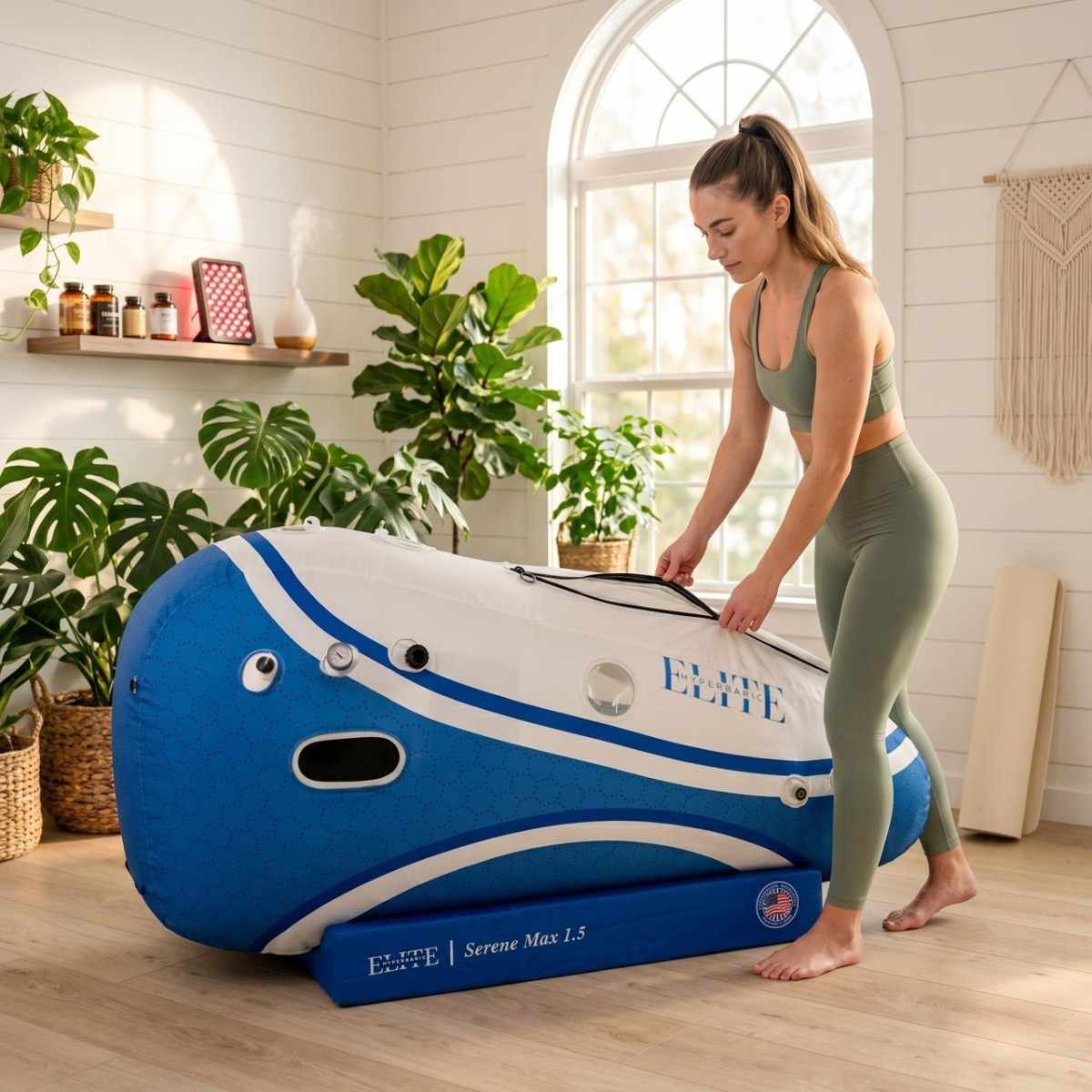
Athletes push their bodies hard. After training, the big goals are simple: feel less sore, bounce back faster, and stay well. That is why many people now look at hyperbaric oxygen sessions as part of a recovery routine.
A hyperbaric chamber is a sealed space where air pressure is higher than normal. In many setups, the user also breathes higher-oxygen air. This can help the body deliver oxygen in different ways than it does at normal pressure. Some treatments are medical (done in clinics for certain approved conditions), and some are used for general wellness. If you are an athlete, it is smart to learn what features matter most before you choose a chamber or a facility.
Below are the best features to look for, explained in plain, easy language.
What “hyperbaric chamber athlete recovery” means (simple version)
When people say hyperbaric chamber athlete recovery, they usually mean using a chamber session to support rest and wellness after hard exercise. Athletes hope it may help them feel better between workouts.
Important note: Hyperbaric oxygen therapy (HBOT) has clear medical uses for certain conditions (these are guided by medical standards). For sports recovery and wellness, results can vary, and it should not replace medical care, sleep, good food, and a proper training plan. If you have asthma, ear problems, lung issues, or you are pregnant, talk to a qualified clinician first.
Key pressure controls for safe hyperbaric chamber recovery
Pressure is the whole point of a hyperbaric chamber, so the controls must be clear and dependable.
Look for:
- Stable pressure settings (the chamber should hold steady once it reaches the set pressure)
- Smooth “pressurise and depressurise” ramps (slow changes can feel better on the ears)
- Easy-to-read gauges or digital screens (so the operator can check levels at a glance)
- Emergency pressure release features (for safety if something feels wrong)
A good operator will also explain how to equalise your ears (like swallowing or yawning) during the session.
Oxygen delivery options (and why they matter)
Not all chambers deliver oxygen the same way. In some systems, the whole chamber is pressurised with air, and the user breathes oxygen through a mask or hood. In other designs, oxygen levels may be handled differently.
Helpful features include:
- Comfortable oxygen masks/hoods in multiple sizes
- Good flow control (steady delivery without feeling “too forceful”)
- Simple cleaning steps for reusable parts (hygiene matters)
For wellness users, the best choice is usually the one that is operated by trained staff and follows safe protocols.
Why a vertical hyperbaric chamber can be a big comfort win
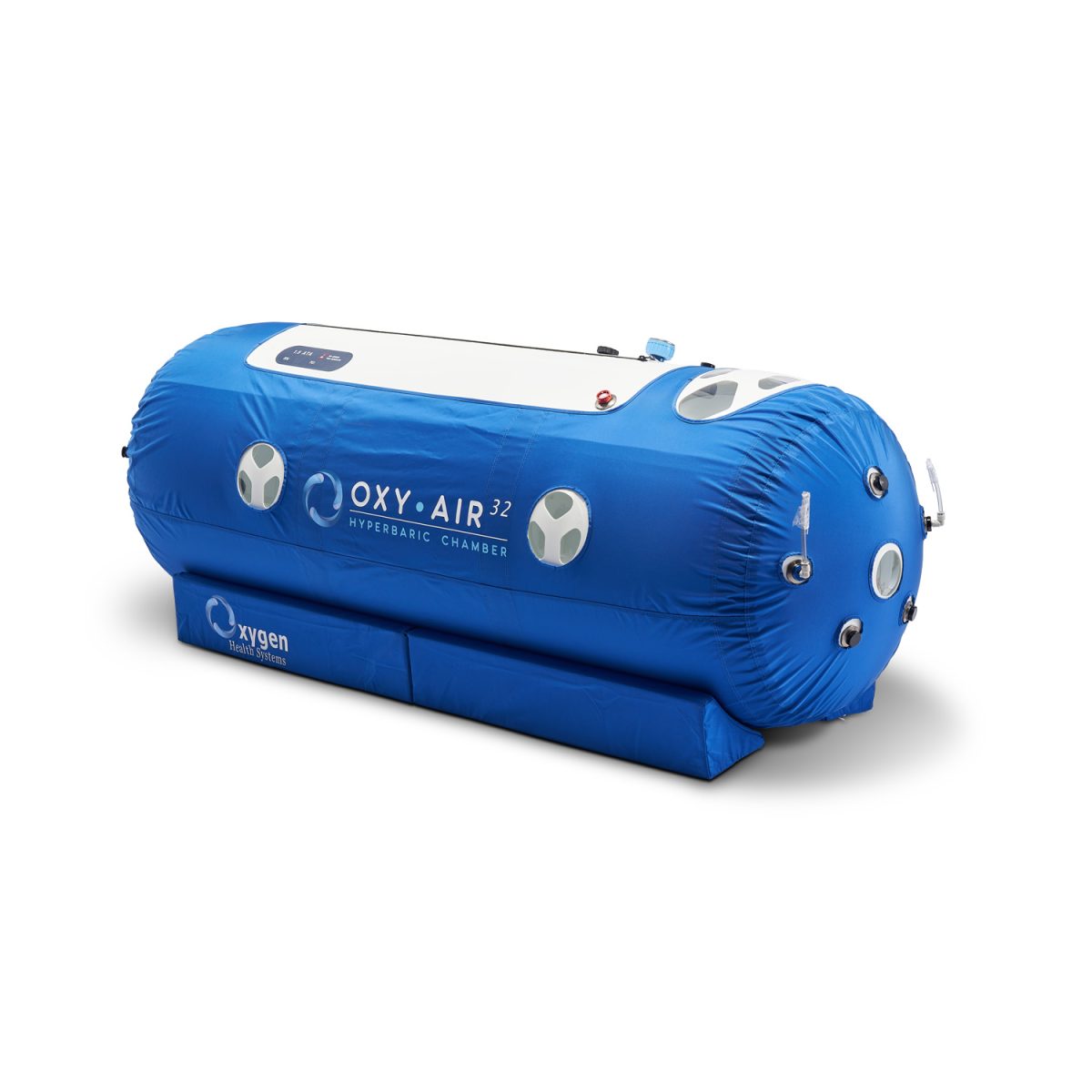
A vertical hyperbaric chamber lets the user sit upright instead of lying down. Many athletes like this because it can feel less cramped and more natural, especially if you do not enjoy tight spaces.
A vertical design may help with:
- Easier entry and exit (useful if you are tall or have stiff muscles)
- Comfort for longer sessions (sitting can feel more normal than lying flat)
- Better fit in some rooms (vertical units may use floor space differently)
That said, horizontal chambers can also be very comfortable, especially if you want to lie back and relax. Comfort is personal, so try a session first if you can.
Build quality and materials you can trust
When you are inside a pressurised space, strong materials and solid engineering are not “bonus features”—they are essential.
Look for details like:
- Clear information on materials (acrylic, steel, and other components should be listed)
- Strong seals and door design (the chamber should close securely)
- Quality stitching and zippers (for soft-sided chambers, this matters a lot)
- Service and inspection support (regular checks help keep equipment safe)
If you are comparing brands in the USA, you may see companies like Oxygen Health Systems mentioned in the hyperbaric space. Use brand info to learn about design types and safety practices, not as a shortcut. Always focus on training, standards, and support.
Safety systems you should not skip
The best chambers are built with safety as the first priority. Ask what safety systems are included and who is trained to operate them.
Smart safety features include:
- Pressure relief valves
- Fire safety rules and materials guidance
- Clear operating steps posted on or near the unit
- Two-way communication (so the user can speak to staff quickly)
- Monitoring (especially in clinic settings)
Also ask: “What is the plan if I feel ear pain, dizziness, or anxiety?” A good provider will answer calmly and clearly.
Easy cleaning and low-hassle maintenance
Recovery tools are only helpful if they are kept clean and working well.
Look for:
- Smooth surfaces that wipe down easily
- Replaceable filters (and a clear schedule for changing them)
- Easy access to parts that need routine checks
- Clear user manuals written in simple language
Clean equipment helps reduce smells, skin irritation, and general discomfort—small things that matter when you are trying to relax.
Comfort features that help athletes actually use it
Even the “best” chamber is useless if you hate being in it. Comfort features can turn a stressful session into a calm one.
Nice-to-have comfort features:
- Wide viewing windows (less claustrophobic)
- Good interior lighting
- Comfort seating or padding
- Quiet operation (or at least not painfully loud)
- Entertainment options (music, phone-safe viewing, or a simple way to talk to staff)
If you are using the chamber for wellness, the goal is to come out feeling calm, not tense.
Size, fit, and access: think like an athlete
Athletes come in all shapes and sizes. Make sure the chamber fits you, not an “average” person.
Check:
- Interior length and width
- Weight limits
- Door size (especially if you have broad shoulders)
- Step-in height (important if you have knee or ankle soreness)
If the chamber is for a team or clinic, choose a setup that works for most body types.
How to use hyperbaric sessions in a sensible recovery plan
Hyperbaric sessions are not magic. The best recovery is still built on basics:
- Sleep
- Hydration
- Protein and balanced meals
- Smart training load (not too much, too soon)
- Rest days and mobility work
If you add chamber sessions, keep notes like:
- How you felt before and after
- Your soreness level the next day
- Any ear pressure problems
- Your training results over a few weeks
This helps you decide if it fits your routine.
Quick FAQs
Q1: Is hyperbaric oxygen the same as a normal oxygen tank?
No. A hyperbaric chamber uses higher-than-normal pressure. Pressure changes how gases work in the body. It is not the same as just breathing oxygen at normal pressure.
Q2: How long is a typical session?
It depends on the setting and the protocol. Many sessions are around an hour, but always follow the guidance of trained staff.
Q3: Can I use a chamber if I have ear problems?
Ear pressure is one of the most common issues. If you have ear pain, infections, or trouble equalising pressure, talk to a clinician before doing sessions.
Q4: What is the main feature to prioritise?
Safety and pressure control first. Comfort features come after that.
Final thoughts
The best hyperbaric chamber features for athletes are the ones that make sessions safe, comfortable, and consistent: stable pressure control, clear oxygen delivery options, strong build quality, and easy monitoring. If a vertical hyperbaric chamber fits your body and feels less cramped, it can be a great comfort choice. And if you are focusing on hyperbaric chamber recovery, remember it works best as part of a full wellness plan—not as a replacement for the basics.
If you are unsure, speak with a sports medicine professional and choose providers who follow proper safety standards in the USA