2024 Practical Guide to Implementing Effective Omnichannel Marketing Strategies
-

- Published Updated
- 1,356 views
Adopting omnichannel marketing strategies helps create seamless customer experiences across digital and physical touchpoints. This guide explains practical steps for building a unified program in 2024, addressing data architecture, personalization, measurement, and privacy compliance.
- Unify customer data with a customer data platform (CDP) or integrated CRM.
- Map the customer journey and prioritize high-impact channels.
- Use personalization rules and automation while meeting GDPR/CCPA requirements.
- Measure outcomes with defined KPIs and an attribution model suited to complex paths.
How to implement omnichannel marketing strategies in 2024
Start by defining the customer experience goals that matter for conversion and retention. Effective omnichannel marketing strategies combine technology, data governance, creative consistency, and operational processes so that customers receive relevant messages regardless of channel. The following sections break down the core components and an implementation roadmap.
Core components of a modern omnichannel program
Unified customer data and identity
Centralize customer identifiers and events to build a single customer view. A customer data platform (CDP), integrated CRM, or a well-architected data layer helps consolidate transactional, behavioral, and first-party data. Match online identifiers (cookies, mobile IDs) with offline records (in-store purchases, call-center logs) to enable consistent personalization and measurement.
Customer journey mapping and segmentation
Map common paths—acquisition, onboarding, repeat purchase, support—and identify moments where context matters most. Use behavioral and lifecycle segmentation to determine which messages and channels to prioritize for each segment.
Cross-channel orchestration and personalization
Design content templates and decisioning rules so messaging is consistent across email, web, mobile app, social, paid media, and in-store. Implement personalization at scale through automation and real-time decisioning, while maintaining fallbacks to ensure coherent experiences for unknown or anonymous users.
Measurement, attribution, and KPIs
Choose KPIs tied to business outcomes: conversion rate, average order value, customer lifetime value (CLV), retention, and cost per acquisition. Implement an attribution approach that reflects multi-touch paths—multi-touch or data-driven attribution models typically outperform last-click for omnichannel programs. Instrument events consistently and validate data quality before running cross-channel analyses.
Privacy, compliance, and risk management
Ensure data practices comply with regulations such as the EU General Data Protection Regulation (GDPR), US state laws like the California Consumer Privacy Act (CCPA), and advertising guidelines enforced by regulators such as the Federal Trade Commission (FTC). Maintain transparent consent flows, honor opt-outs, and document lawful bases for processing. For an overview of EU data protection law and requirements, review official guidance from the European Commission: ec.europa.eu - Data protection.
Step-by-step implementation roadmap
1. Audit existing channels and data sources
Inventory owned channels, third-party platforms, and data sources. Record how customer events are tracked, stored, and used for marketing. Identify gaps, duplicate profiles, and areas with inconsistent messaging.
2. Define governance, roles, and processes
Assign clear ownership for data, content, and channel operations. Create a governance plan covering data retention, consent management, and quality assurance. Integrate legal and compliance reviews into campaign sign-off workflows to reduce regulatory risk.
3. Build or select the right technology stack
Prioritize systems that enable identity resolution, real-time segmentation, and orchestration. Consider integration patterns: event streaming, APIs, or batch ETL. Ensure vendor solutions support necessary privacy controls and logging for audits.
4. Create omnichannel journeys and test incrementally
Design end-to-end journeys for priority segments, implement automated triggers, and run A/B or multivariate tests. Validate that creative assets render correctly across formats and that tracking persists through channel transitions.
5. Measure, optimize, and scale
Collect outcome and process metrics. Use experimentation to refine personalization logic and channel mixes. Scale successful templates and decision rules while maintaining monitoring for performance regressions.
Operational considerations and common pitfalls
Data quality and identity resolution
Poor data quality undermines personalization. Implement validation rules, deduplication routines, and regular audits. Ensure deterministic matches where possible and use probabilistic methods cautiously.
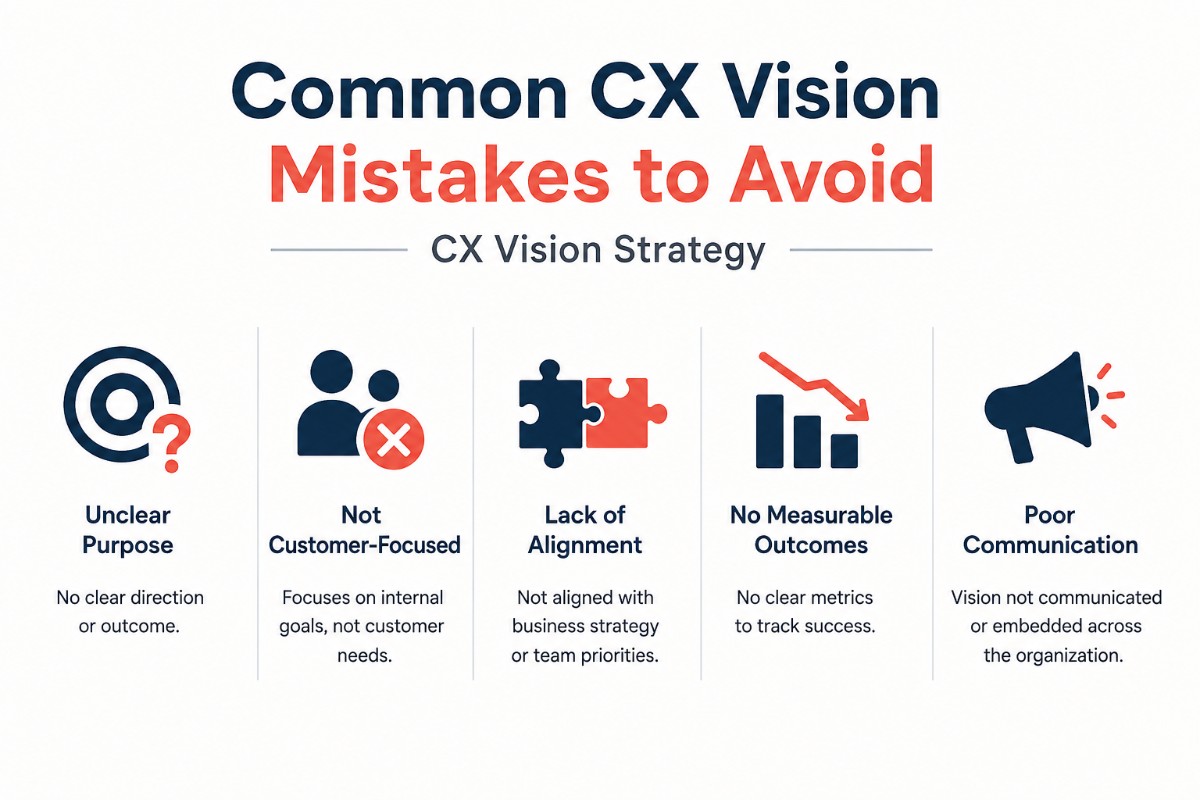
Over-reliance on channels rather than customer needs
Channel-first strategies can fragment the experience. Prioritize customer intent and context; let those insights dictate channel selection and message timing.
Ignoring governance and compliance
Noncompliant campaigns risk fines and reputational damage. Embed privacy by design and consult regulatory guidance when deploying new cross-border data flows or targeting options.
Key metrics to monitor
Focus on a mix of leading and lagging indicators: engagement rates, time to purchase, conversion rate by channel, incremental revenue from omnichannel campaigns, churn/retention rates, and CLV. Track attribution-adjusted ROI to understand true channel contribution.
Recommended reading and evidence
Academic research on customer journeys and marketing automation in journals such as the Journal of Marketing provides evidence that integrated experiences increase retention and revenue when backed by rigorous measurement. Industry guidance from data protection authorities outlines compliance expectations for handling personal data.
FAQ
What are effective omnichannel marketing strategies for 2024?
Effective strategies combine unified customer data, journey-based segmentation, consistent creative templates, automation for real-time personalization, and measurement that accounts for multi-touch behavior. Compliance with privacy regulations such as GDPR and CCPA is essential.
How does a CDP differ from a CRM, and is one necessary?
A CRM focuses on customer records and sales interactions; a CDP centralizes behavioral and event data for activation across systems. Both can be useful: the CDP enables real-time personalization while the CRM supports relationship management and downstream sales workflows.
Which metrics indicate successful omnichannel implementation?
Key metrics include conversion rate, customer lifetime value (CLV), retention rate, incremental revenue, and attribution-adjusted return on ad spend. Also monitor data quality indicators and consent rates to ensure sustained performance.
What privacy steps should be taken when deploying omnichannel campaigns?
Document legal bases for processing, obtain and manage consent where required, provide clear opt-outs, and implement data minimization and retention policies. Align processes with guidance from regulators such as the European Commission and the FTC.
How long does it take to see results from omnichannel marketing?
Initial improvements in engagement and conversion can appear within weeks for targeted experiments; measurable impacts on retention and CLV often emerge over months as journeys are refined and data quality improves.
Implementing omnichannel marketing strategies is an iterative effort combining technology, governance, and a customer-centered approach. Regular measurement, privacy-aware practices, and ongoing optimization are key to sustainable outcomes.