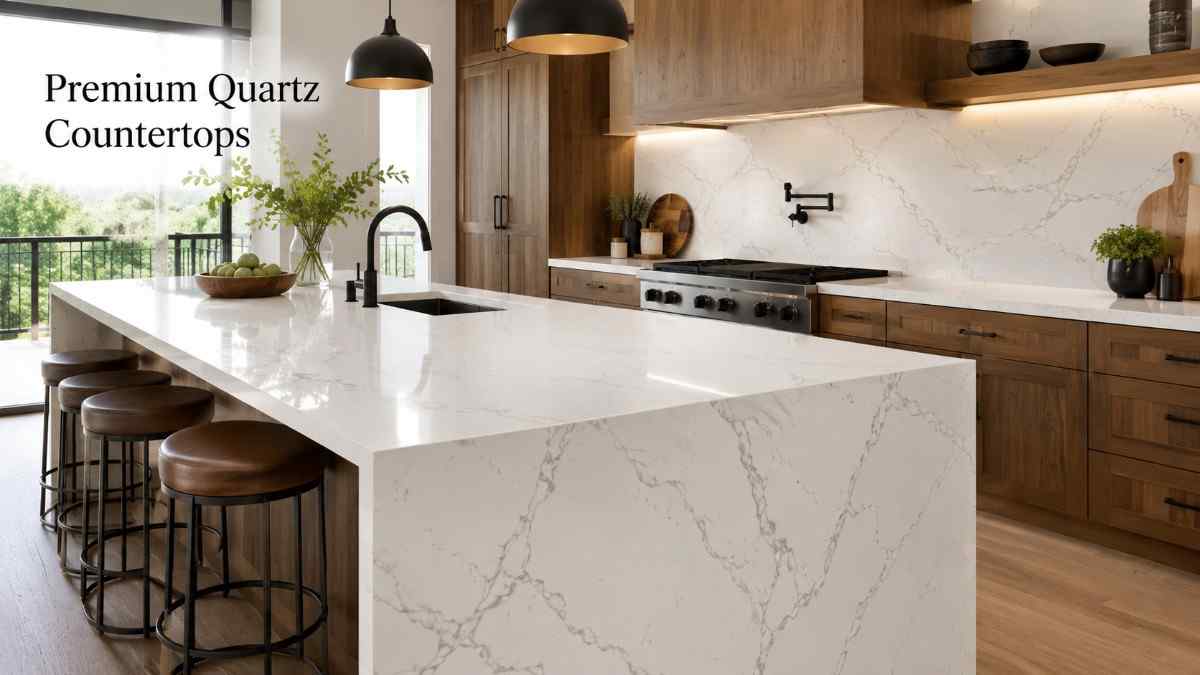
Modular Kitchen Appliances: Essential List for a Functional, Space-Smart Kitchen
-

- March 06th, 2026
- 442 views
Introduction
The most important decision when planning a modern cooking space is which modular kitchen appliances will deliver everyday reliability, save space, and match the household's cooking habits. This guide explains common appliance types, placement and sizing rules, energy and ventilation considerations, and practical trade-offs for a functional modular kitchen.
Detected intent: Informational
- Primary focus: modular kitchen appliances and how to choose them for different layouts.
- Includes a named planning tool (KITCHEN 5P Checklist), a real-world scenario, a 3–5 point practical tips list, common mistakes, and 5 core cluster questions for internal linking.
- One authoritative external resource on appliance energy efficiency is linked for best-practice guidance.
Top modular kitchen appliances for every layout
Essential modular kitchen appliances include a cooktop (induction or gas), built-in oven, refrigeration, exhaust hood or chimney, and efficient dishwashing or cleaning solutions. The phrase "modular kitchen appliances" covers built-in and integrated models designed to fit cabinet modules and conserve counter space while matching a kitchen’s ergonomics.
Core appliance categories
- Cooking: induction cooktop, gas hob, built-in oven, microwave or combi-steam oven.
- Refrigeration: under-counter fridge, column refrigerator, or integrated fridge-freezer.
- Ventilation: range hood, downdraft extractor, or chimney suited to the cooktop type.
- Cleaning: dishwasher (full-size or compact) and garbage disposal or waste management system.
- Supporting appliances: water heater (tankless point-of-use), built-in coffee machine, and integrated microwave.
Related terms and concepts
Consider built-in versus freestanding units, energy efficiency labels (for example, ENERGY STAR-rated appliances for the US market), ventilation CFM requirements, cabinet cutout sizes, flue and duct routing, and smart-home integration.
KITCHEN 5P Checklist (named framework for appliance selection)
Use the KITCHEN 5P Checklist to prioritize and validate choices. It is a brief, repeatable framework for modular appliance selection.
- Purpose — What are the primary cooking and storage habits? (daily family meals, hosting, meal prep)
- Power — Does the building supply support electrical load or gas lines for the selected appliances?
- Placement — Are cabinet cutouts, ventilation paths, and service access adequate?
- People — Who uses the kitchen and what ergonomics are required (height, reach, mobility)?
- Performance — Efficiency, noise, warranties, and maintenance access.
Space-saving and energy-conscious secondary appliances
Secondary keywords: essential kitchen appliances for modular kitchens, space-saving kitchen appliances
Choose compact or integrated versions where space is limited: 18-inch dishwashers, under-counter refrigerators, slimline range hoods, and combination microwave-ovens can free counter and cabinet room while retaining capability.
For energy use and long-term running costs, consult energy-efficiency guidance such as ENERGY STAR metrics to compare models and estimate annual consumption: ENERGY STAR.
Real-world example: a 120 sq ft family modular kitchen
Scenario: A family of four with a 120 square-foot modular kitchen wants daily meal preparation and occasional entertaining. Key choices following the KITCHEN 5P Checklist:
- Purpose — Frequent stovetop use and baking: select a 30" induction cooktop and a 24" built-in electric convection oven.
- Power — Check electrical panel; add a 40A circuit for cooktop and dedicated circuits for oven and dishwasher.
- Placement — Install the cooktop on the primary counter with a 600 CFM range hood vented outside; under-counter dishwasher near the sink on the clean-up side to optimize plumbing runs.
- People — Choose a 36" working counter height with pull-out drawers; opt for soft-close cabinets to reduce noise.
- Performance — Select Energy Star qualified refrigerator and dishwasher models to reduce utility bills; ensure service clearances are planned behind panels.
Practical tips for choosing modular kitchen appliances
- Measure the cabinet cutouts and door swing clearances before purchasing appliances; leave 1–2 inches clearance for ventilation where manufacturer requires it.
- Prioritize ventilation capacity for induction and gas cooktops — under-spec hoods reduce indoor air quality and long-term appliance performance.
- Match appliance depths to cabinet depths to achieve flush, integrated looks and avoid wasted counter overhangs.
- Plan electrical circuits early with a licensed electrician; retrofitting circuits after installation is costly and disruptive.
- When possible, choose modular, service-friendly options (removable panels, front-access filters) to simplify future repair or replacement.
Trade-offs and common mistakes
Trade-offs
- Integrated vs. freestanding: integrated appliances save visual space but can be more expensive to replace and may require custom cabinet work.
- Size vs. capacity: compact dishwashers and under-counter fridges save space but reduce capacity — choose based on household size and cooking frequency.
- Gas vs. induction: gas offers flame control and lower upfront cost in some markets; induction is more energy-efficient, faster, and safer but requires compatible cookware.
Common mistakes
- Skipping power-load checks: selecting high-draw appliances without verifying panel capacity leads to service upgrades and delays.
- Not planning ventilation paths: range hoods that are recirculating or undersized produce odors and grease buildup in cabinets.
- Ignoring manufacturer installation clearances: tight fits can overheat appliances and void warranties.
Core cluster questions
- Which appliances are essential for a functional modular kitchen layout?
- How to size and position a range hood for different cooktop types?
- What are the pros and cons of integrated appliances versus freestanding models?
- How to plan electrical circuits and gas lines for modular kitchen appliances?
- What space-saving appliance models work best for small modular kitchens?
Installation and maintenance checklist
Before installation, confirm these steps to reduce rework:
- Verify cabinet cutout dimensions against appliance installation manuals.
- Confirm required service clearances: ventilation, electrical junctions, and access panels.
- Schedule trade coordination (cabinet maker, electrician, plumber, HVAC) to align rough-ins and ducting.
- Ask about filter replacement intervals, recommended cleaning procedures, and warranty registration.
Final selection checklist
Use this quick filter while comparing models: capacity, energy rating, installation footprint, noise level (dB), warranty length, and service network availability.
When to consult professionals
Bring in a licensed electrician to map circuits and a certified HVAC or ventilation contractor when planning external ducting for range hoods. For built-in gas appliances, a certified gas fitter should perform connections and leak testing to comply with local codes and safety standards.
FAQ
Which modular kitchen appliances should be prioritized for a small apartment kitchen?
Prioritize a compact refrigerator, a two-burner induction or gas hob, a combination microwave-convection oven, and either a slimline dishwasher or an efficient sink setup. Space-saving kitchen appliances such as under-counter units and integrated cooktops allow more worktop area.
How do modular kitchen appliances affect cabinet planning and layout?
Appliance dimensions and service requirements define cabinet cutouts, ventilation channels, and the work triangle. Planning with manufacturer templates prevents costly modifications later.
Are energy-efficient modular kitchen appliances worth the cost?
Energy-efficient models often cost more up-front but reduce operating expenses over time. Check official energy labeling and lifecycle cost estimates to compare models. For standardized efficiency metrics see the ENERGY STAR program for appliance testing and labeling guidance.
What are space-saving appliance combinations suitable for families?
Combination ovens (microwave + convection), tall, narrow column fridges, and drawer dishwashers are practical options that balance capacity and footprint for family kitchens.
How to choose modular kitchen appliances that match a home's electrical system?
Consult an electrician to total the proposed appliance loads and determine if the current service and panel support them. Allocate dedicated circuits for the cooktop, oven, and dishwasher where required by local code.