Indian Sandstone Slabs vs Other Natural Stones: Durability, Cost, and Best Uses
-

- February 23rd, 2026
- 629 views

Get a free topical map and start building content authority today.
Indian sandstone slabs vs other natural stones: what makes them unique?
Indian sandstone slabs vs other natural stones is a common search for homeowners and designers deciding on paving, flooring, or cladding. This comparison looks at composition, durability, appearance, maintenance, and cost so a practical choice can be made for each project.
Indian sandstone offers strong thermal comfort, warm color variation, and good slip resistance compared with granite, limestone, and slate. It is often more affordable but requires sealing and careful installation for long life. Choose sandstone for texture and economy; choose granite or slate where extreme hardness and low porosity are priorities.
Detected intent: Comparative
How Indian sandstone slabs compare to other natural stones
Composition and appearance
Indian sandstone is a sedimentary stone composed mainly of sand-sized minerals and quartz cement. Grain size and iron content produce a range of colors from beige and buff to red, brown, and green. By contrast, granite is an igneous rock with visible crystals and a denser, speckled look; slate is a metamorphic rock with fine foliation and darker tones; limestone is a carbonate sedimentary rock with a smoother, often lighter appearance.
Durability and performance
Durability depends on porosity, mineral hardness, and climate. Granite typically rates highest for scratch and impact resistance. Slate resists splitting and handles freeze-thaw well when installed correctly. Indian sandstone has moderate hardness and higher porosity, so it performs well in temperate climates but can require sealing in freeze-prone or high-traffic locations. For formal guidance on natural stone performance and standards, consult the Natural Stone Institute specification resources: Natural Stone Institute.
Maintenance, slip resistance, and weathering
Indian sandstone generally offers good natural slip resistance due to its textured surface, making it popular for patios and paths. However, regular maintenance—sweeping, occasional power washing, and re-sealing—extends life and color. Limestone can stain more easily; granite is low maintenance but can be slippery when polished. Those evaluating sandstone paving benefits should weigh texture against porosity and sealing needs.
STONE Selection Checklist (framework)
Use the STONE checklist to evaluate options quickly:
- Strength: Will the stone handle expected loads and impacts?
- Texture: Is slip resistance and tactile feel important for the area?
- Outdoor suitability: Does the local climate include freeze-thaw cycles or heavy rain?
- Natural variation: Are color and veining consistency acceptable for the design?
- Ease of maintenance: Can the owner commit to sealing and cleaning routines?
Practical example
Scenario: A suburban patio of 25 sq m in a temperate climate needs an inviting surface for dining and light furniture. Indian sandstone slabs provide warm tones and a non-slip surface at a mid-range cost. Compared to granite, sandstone reduces material cost and installation weight but will likely need a penetrating sealer and annual inspection. For heavy planters or vehicular access, granite or thicker slate slabs could be preferable because of higher compressive strength.
Practical tips for choosing and installing
- Match porosity to climate: In freeze-thaw zones prefer denser stones or use proper sub-base drainage and jointing to avoid water retention.
- Inspect samples in the project light: View slabs on-site to judge color variation and texture under real conditions.
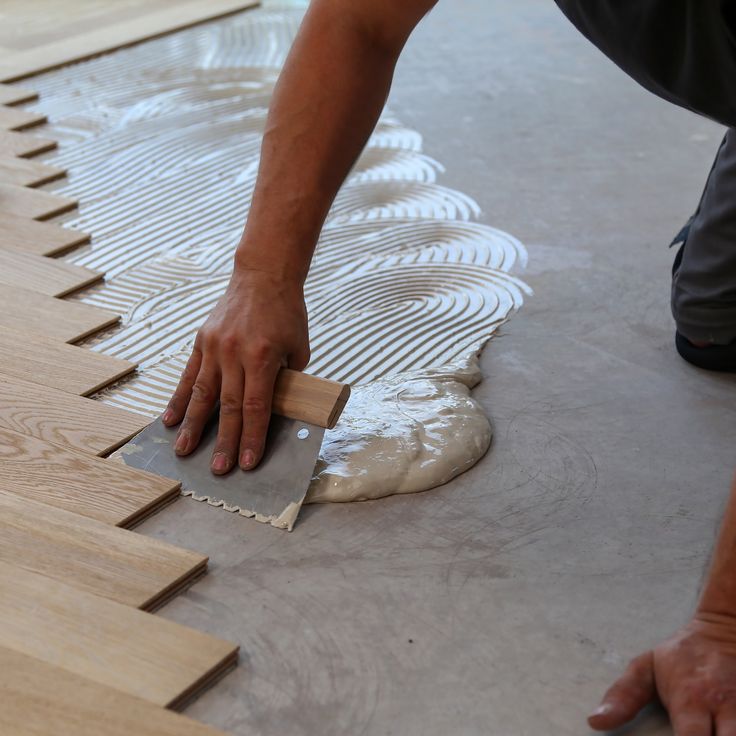
- Specify a competent installer: Proper bedding, jointing mortar, and slope are more important than small differences between stones.
- Plan for sealing and cleaning: Decide on a maintenance schedule before final purchase to avoid surprises.
Trade-offs and common mistakes
Trade-offs
Choosing Indian sandstone trades extreme hardness for better texture and typically lower cost. Granite trades cost and heavier weight for superior abrasion resistance. Slate trades color range for cleft texture and good slip resistance.
Common mistakes
- Assuming all sandstones behave the same—quarry source affects performance and appearance significantly.
- Skipping drainage and bedding work—poor installation causes most long-term failures, regardless of stone type.
- Choosing an unsealed high-porosity stone in stain-prone locations without planning maintenance.
Core cluster questions
- How long do Indian sandstone slabs last outdoors?
- What maintenance does sandstone paving require compared to granite?
- Can sandstone be used for indoor flooring over underfloor heating?
- How does limestone compare to sandstone for pool surrounds?
- What installation standards minimize freeze-thaw damage to natural stone?
FAQ
Indian sandstone slabs vs other natural stones: which is best for patios?
Indian sandstone is often best for patios where texture, warmth, and cost are priorities. For extreme wear, vehicular loads, or minimal maintenance, granite or slate may be better. Consider site drainage, expected loads, and local climate when deciding.
Are Indian sandstone slabs suitable for pool surrounds?
Yes, sandstone's texture can provide good slip resistance. Choose a dense variety, verify porosity, and use non-slip finishes. Regular sealing helps reduce staining from sunscreen and pool chemicals.
How much does Indian sandstone cost compared with granite and limestone?
Costs vary by source, finish, and transport. Generally, Indian sandstone is mid-range: less expensive than many granites and similar or slightly more than common limestones. Get local quotes including installation to compare true project costs.
What maintenance does sandstone need to keep its appearance?
Routine sweeping and occasional pressure washing remove surface grime. Apply a penetrating sealer every 1–3 years depending on porosity and exposure. Address biological growth (moss/lichen) promptly with recommended cleaners.
Can sandstone be used indoors, and does it work with underfloor heating?
Yes. Indian sandstone can be used indoors and typically conducts heat well for underfloor heating systems. Verify the slab thickness and adhesive compatibility with the heating system installer.