Induction Heating Machine: High-Efficiency Heating Technology Powering Indian Manufacturing
-

- June 26th, 2026
- 913 views

FREE SEO Topical Map Generator: Find Your Next Content Ideas
An Induction Heating Machine is an advanced industrial heating solution used to heat electrically conductive materials through electromagnetic induction. In India’s rapidly growing manufacturing and engineering sectors, the Induction Heating Machine has become an essential technology for processes that demand speed, precision, energy efficiency, and repeatability. From automotive and forging units to EV, aerospace, and heavy engineering industries, this technology supports modern production requirements while reducing operational costs and environmental impact.
What Is an Induction Heating Machine and How It Works
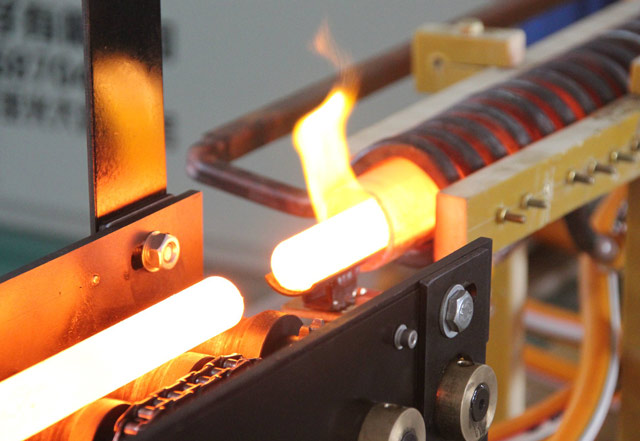
An Induction Heating Machine works by generating an alternating magnetic field using high-frequency electrical current flowing through an induction coil. When a metal workpiece is placed within this magnetic field, eddy currents are induced on its surface, producing heat internally due to electrical resistance. This direct and contactless heating method allows rapid temperature rise without the need for flames, furnaces, or heating elements. The ability to control temperature, heating depth, and time with high accuracy makes the Induction Heating Machine suitable for a wide range of industrial heating applications.
Why Indian Industries Prefer Induction Heating Machine Technology
Indian manufacturers increasingly prefer the Induction Heating Machine because it delivers consistent heating with minimal energy loss. Unlike conventional heating methods that waste energy by heating surrounding air or furnace walls, induction heating focuses energy directly into the workpiece. This results in faster processing, reduced oxidation, improved surface quality, and lower power consumption. With rising energy costs and stricter quality expectations, induction heating offers Indian industries a reliable and future-ready solution that aligns with productivity and sustainability goals.
Key Advantages of Using an Induction Heating Machine
One of the major benefits of an Induction Heating Machine is speed. Components can be heated to the required temperature within seconds, significantly reducing cycle time. Precision is another critical advantage, as operators can accurately control temperature and heating zones. The process is clean and safe, eliminating open flames, fumes, and excessive heat radiation. Reduced scaling and oxidation minimize post-heating cleaning and machining. Additionally, induction heating improves workplace safety, lowers maintenance requirements, and supports automation, making it ideal for modern Indian manufacturing environments.
Applications of Induction Heating Machine Across Indian Industries
The Induction Heating Machine is used across a broad spectrum of industries in India. In forging units, it is widely applied for billet heating prior to forging, ensuring uniform temperature and improved metal flow. Automotive manufacturers rely on induction heating for shrink fitting, hardening pre-heating, brazing preparation, and bearing installation. In the power and heavy engineering sectors, induction heating is used for stress relieving, shaft heating, and maintenance operations. EV and renewable energy industries use induction heating for precision assembly and thermal processing of critical components. The technology also finds application in pipe heating, end heating, and pre-weld and post-weld heat treatment processes.
Types of Induction Heating Machines Available
Modern Induction Heating Machine systems are available in various configurations to meet different industrial needs. Portable induction heating machines are ideal for on-site maintenance, repair, and assembly work. Stationary induction heating systems are used in production lines for continuous and high-volume operations. Automatic induction heating machines integrate conveyors, robotic handling, and PLC-based controls for consistent and repeatable processing. Each system can be customized based on power rating, frequency range, coil design, and cooling method to suit specific applications.
Material Compatibility and Heating Performance
An Induction Heating Machine is compatible with a wide range of conductive materials, including steel, stainless steel, copper, aluminum, brass, and various alloys. The ability to precisely control heating depth ensures uniform temperature distribution without overheating or damaging the material. This controlled heating improves metallurgical properties, reduces thermal stress, and enhances overall process reliability. For Indian industries working with diverse materials and component sizes, induction heating provides unmatched flexibility and performance.
Automation and Process Control Benefits
Automation is a defining strength of the Induction Heating Machine. Advanced systems offer programmable heating cycles, real-time temperature monitoring, and closed-loop control for consistent results. Integration with sensors and digital interfaces allows manufacturers to maintain tight process control and traceability. This level of automation reduces operator dependency, improves productivity, and supports compliance with international quality standards, which is increasingly important for Indian exporters and OEM suppliers.
Energy Efficiency and Cost Savings
Energy efficiency is one of the strongest reasons Indian industries invest in an Induction Heating Machine. Since heat is generated directly within the workpiece, energy losses are minimal. Faster heating cycles further reduce power consumption and increase throughput. Lower maintenance costs, reduced scrap rates, and minimal consumable usage contribute to long-term operational savings. Over time, these benefits deliver a strong return on investment and help manufacturers maintain competitive pricing in domestic and global markets.
Selecting the Right Induction Heating Machine
Choosing the right Induction Heating Machine depends on factors such as application type, material properties, component size, and production volume. Key considerations include power capacity, operating frequency, coil design, cooling system, and level of automation. Partnering with an experienced manufacturer and service provider ensures proper system selection, installation, training, and long-term technical support, which are critical for maximizing equipment performance and lifespan.
Future of Induction Heating Machine Technology in India
As India continues to strengthen its position as a global manufacturing hub, the demand for efficient and precise heating solutions will continue to rise. The Induction Heating Machine aligns perfectly with Industry 4.0 initiatives through digital controls, data monitoring, and energy-efficient operation. With growing adoption in EV, aerospace, defense, and advanced engineering sectors, induction heating is set to remain a core technology supporting innovation and sustainable growth in Indian manufacturing.
Conclusion
An Induction Heating Machine is a powerful and versatile solution for industries seeking speed, accuracy, and efficiency in thermal processing. By offering precise control, energy savings, and compatibility with automation, this technology empowers Indian manufacturers to enhance product quality, reduce costs, and stay competitive in evolving markets. Investing in the right Induction Heating Machine is a strategic step toward long-term operational excellence and industrial success.