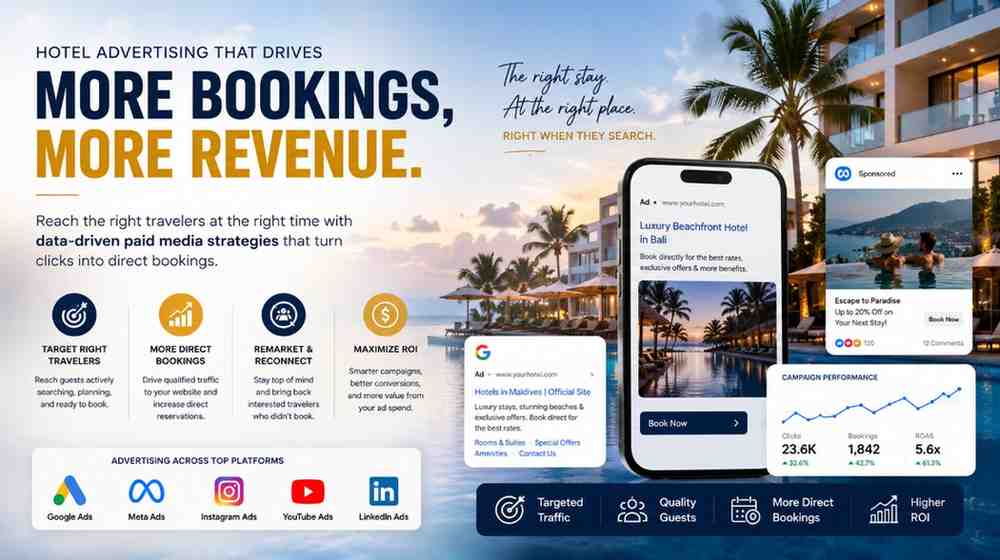
Insurance Banner Ads: Regulations, Design, and Best Practices for Financial Advertisers
-

- February 23rd, 2026
- 1,171 views

FREE SEO Topical Map Generator: Find Your Next Content Ideas
Insurance banner ads appear across websites and apps to promote insurance products or services. This guide explains common requirements, creative and disclosure best practices, targeting and privacy considerations, and compliance resources relevant to insurance banner ads.
- Insurance banner ads must be clear, not misleading, and include required disclosures under applicable regulations.
- Regulators such as the Federal Trade Commission (FTC) and state insurance departments set advertising rules; industry guidance and consumer protection laws also apply.
- Design and targeting choices should balance performance with transparency and privacy compliance.
- Testing, documentation, and recordkeeping help demonstrate compliance when reviewing claims and creative.
Insurance Banner Ads: Overview and purpose
Insurance banner ads are digital display units—static images, animated creatives, or interactive rich media—used to raise awareness, generate leads, or drive sales for insurance products. Primary objectives vary by campaign: brand awareness, quote requests, policy purchase, or educational outreach. Because these creatives represent financial products, they intersect with consumer protection, advertising law, and industry-specific oversight.
Regulatory framework and compliance considerations
Applicable regulators and rules
In many jurisdictions, general consumer protection agencies and insurance-specific regulators govern advertising. In the United States, the Federal Trade Commission (FTC) enforces truth-in-advertising standards, while state insurance departments and the National Association of Insurance Commissioners (NAIC) publish model regulations and guidance for insurance marketing. Where ads concern investment-linked or securities products, additional oversight from securities regulators may apply.
For general advertising guidance from a U.S. regulator, see the FTC guidance on advertising and marketing: FTC advertising guidance.
Key compliance themes
- Accuracy and non-deception: Claims must be truthful and substantiated; omitted material facts that materially mislead consumers can be actionable.
- Clear disclosures: Important limitations, fees, eligibility criteria, and conditions must be presented clearly and conspicuously, taking into account the limited space of a banner.
- Comparative and superlative claims: Statements like "cheapest" or "best" require reliable evidence and should avoid ambiguous qualifiers.
- Targeted advertising and fair lending: Targeting that results in discriminatory outcomes can raise regulatory concerns; adherence to applicable fair lending and anti-discrimination laws is necessary.
Design, messaging, and disclosure best practices
Crafting clear, compliant creative
Design decisions should prioritize transparency. Use concise headlines, legible fonts, and contrast to ensure readability. Where space is limited, prioritize disclosure of the most material terms (for example, "rates from X%" rather than vague promises). Avoid burying critical conditions in tiny text or off-screen links.
Disclosures and links
Disclosures must be easy to notice and understand on typical devices and screen sizes. If a full policy or terms page is necessary, provide a clearly labeled link to that information and ensure the landing page presents complete details prominently. Keep in mind that linking alone does not cure a misleading claim in the ad itself.
Targeting, data, and privacy considerations
Consumer data and consent
Targeting for insurance banner ads often uses demographic, behavioral, or contextual signals. Compliance with privacy laws—such as the California Consumer Privacy Act (CCPA) or the EU General Data Protection Regulation (GDPR) where applicable—is required. Advertisers should obtain appropriate consents for use of personal data, honor opt-out signals, and disclose data practices in accessible privacy notices.
Audience selection and risk
Avoid targeting that could unlawfully exclude protected classes or otherwise produce discriminatory effects. Document targeting criteria and maintain records demonstrating nondiscriminatory intent and testing.
Measuring effectiveness and maintaining documentation
Performance metrics
Common metrics include impressions, click-through rate (CTR), conversion rate (e.g., quote requests or leads), cost per acquisition (CPA), and view-through conversions. Combine creative A/B testing with analytics to optimize messaging while ensuring variants remain compliant.
Recordkeeping
Maintain documentation for creatives, targeting parameters, testing results, and substantiation for material claims. Regulators may request historical records during reviews of advertising practices.
Examples of common pitfalls
- Overpromising: Advertising guaranteed coverage or low rates without clear eligibility conditions.
- Insufficient disclosures: Providing a rate or savings claim without clarifying typical customer scenarios or exclusions.
- Misleading comparisons: Presenting competitor comparisons without objective, current data to support the claim.
- Privacy lapses: Failing to provide opt-outs or to respect platform-level privacy settings.
When to consult regulators or compliance specialists
Complex products, novel marketing channels, or campaigns making broad or comparative claims benefit from review by compliance professionals or consultation with the relevant regulator. State insurance departments and industry trade associations can provide guidance on interpretations of advertising rules in specific jurisdictions.
FAQs
What are the rules for insurance banner ads?
Rules vary by jurisdiction but generally require that insurance banner ads be truthful, not misleading, and include clear disclosures for material limitations or conditions. Agencies such as the FTC and state insurance departments enforce these standards; advertisers should also follow privacy and anti-discrimination laws when targeting audiences.
How should disclosures be presented in small banners?
Prioritize the most material information in the creative and provide a clearly labeled link to full terms on the landing page. Disclosures must be readable on common devices and not hidden by design choices that reduce visibility.
Can targeting for insurance banner ads use sensitive data?
Sensitive personal data often requires explicit consent under privacy laws. Avoid targeting that relies on sensitive attributes in ways that could lead to discrimination. Follow platform rules and applicable privacy regulations when collecting or using personal data.
Are there standard resources for advertisers?
Official regulators (for example, the FTC in the U.S. and state insurance departments), the NAIC, and industry trade groups publish guidance and model rules that are useful starting points. For jurisdiction-specific questions, consult the applicable regulator or a qualified compliance professional.
For specific legal or regulatory obligations, consult the relevant regulator or a qualified compliance professional; this article is informational and not a substitute for professional advice.