How Creativity and Technology Work Together in Interior Design
-

- Published Updated
- 5,736 views
Interior design is a field where imagination meets innovation. While creativity has always been at the heart of designing beautiful and functional spaces, technology has transformed the way designers bring their ideas to life. Today, successful interior designers use a combination of artistic vision and advanced technological tools to create spaces that are visually appealing, practical, and tailored to the needs of clients.
The collaboration between creativity and technology has opened new possibilities in interior design, making the design process more efficient, accurate, and innovative than ever before.
The Role of Creativity in Interior Design
Creativity is the foundation of interior design. It allows designers to develop unique concepts, choose appealing color schemes, arrange furniture effectively, and create environments that reflect a client's personality and lifestyle.
A creative designer can transform an empty room into a welcoming home, a productive office, or an attractive commercial space. Creativity helps designers:
Develop innovative design concepts
Create aesthetically pleasing environments
Solve space-related challenges
Blend functionality with style
Personalize interiors according to client preferences
Every successful interior design project begins with an idea. Designers use their imagination to visualize how a space can be transformed and improved. However, turning these ideas into reality requires the support of technology.
How Technology Enhances Interior Design
Technology has revolutionized interior design by providing tools that help designers plan, visualize, and execute projects with greater precision. Modern software and digital tools allow designers to create realistic representations of their concepts before any physical work begins.
1. Computer-Aided Design (CAD)
CAD software has become an essential tool for interior designers. It enables them to create accurate floor plans, layouts, and technical drawings. Designers can easily modify dimensions, experiment with different arrangements, and ensure that every element fits perfectly within a space.
CAD improves efficiency while reducing errors, making the design process smoother and more professional.
2. 3D Visualization and Rendering
One of the most significant advancements in interior design is 3D visualization. Designers can now create realistic digital models of rooms and spaces.
These visualizations help clients understand how the final design will look before construction begins. Clients can view furniture placement, lighting effects, wall colors, and decorative elements in a virtual environment, making decision-making easier and more confident.
3. Virtual Reality (VR)
Virtual Reality is changing the way interior designers present their ideas. Instead of viewing static images, clients can virtually walk through their future spaces.
VR provides an immersive experience that helps clients visualize room layouts, proportions, and design details. This technology reduces misunderstandings and ensures better communication between designers and clients.
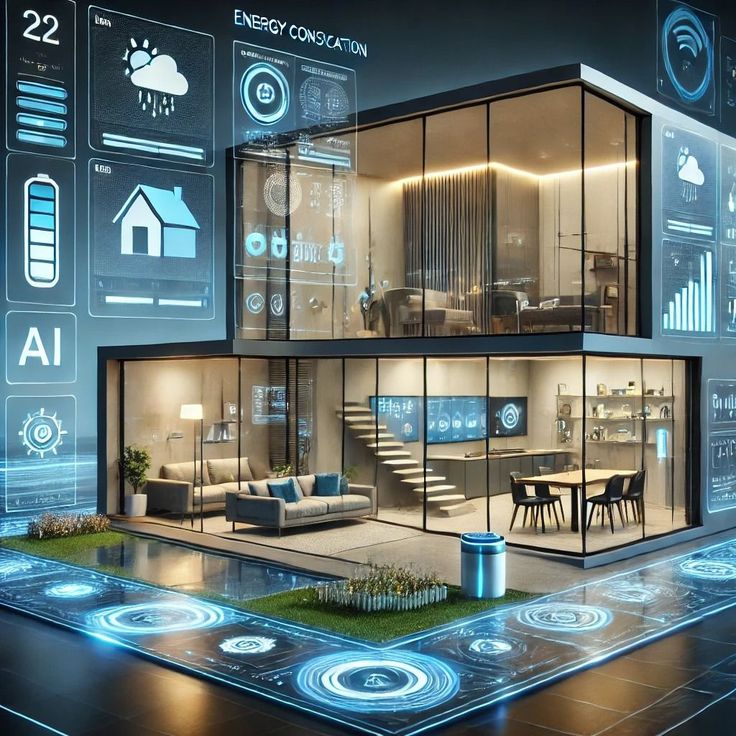
4. Smart Interior Design Solutions
Technology has introduced smart home systems that have become an important part of modern interior design. Designers now consider features such as:
Smart lighting systems
Automated curtains and blinds
Voice-controlled devices
Energy-efficient appliances
Smart security systems
Creative designers integrate these technologies seamlessly into interior spaces while maintaining aesthetic appeal.
The Perfect Balance Between Creativity and Technology
Technology is a powerful tool, but it cannot replace creativity. Software can generate designs and provide technical accuracy, but it cannot replicate human imagination, emotional understanding, and artistic thinking.
A skilled interior designer uses technology as a medium to express creative ideas more effectively. For example, a designer may envision a modern living room with natural elements and sustainable materials. Technology helps transform this concept into detailed plans, realistic visualizations, and accurate project specifications.
The most successful projects are those where creativity and technology complement each other.
Benefits for Interior Design Students
For students pursuing interior design, learning both creative and technological skills is essential. Employers today seek professionals who can combine artistic talent with technical expertise.
Students who master design software, 3D modeling tools, and visualization technologies gain several advantages:
Better project presentation skills
Enhanced problem-solving abilities
Improved communication with clients
Increased employability
Greater confidence in handling real-world projects
Design institutes that focus on practical training help students develop these industry-relevant skills and prepare them for modern career opportunities.
Future of Interior Design
The future of interior design will continue to be shaped by technological innovation. Artificial Intelligence, Augmented Reality, smart home integration, and sustainable design technologies are becoming increasingly important in the industry.
However, no matter how advanced technology becomes, creativity will remain the driving force behind exceptional design. Technology can provide tools and solutions, but it is the designer's imagination that creates meaningful and inspiring spaces.
Conclusion
Creativity and technology are no longer separate elements in interior design—they work together to create innovative, functional, and visually stunning environments. Creativity provides the vision, while technology provides the tools to bring that vision to life. As the industry continues to evolve, interior designers who successfully combine artistic thinking with technological expertise will be best positioned for success. For aspiring designers, developing both creative and technical skills is the key to building a rewarding and future-ready career in interior design.