Top Interior Design Trends for Modern Homes
-

- Published Updated
- 5,774 views
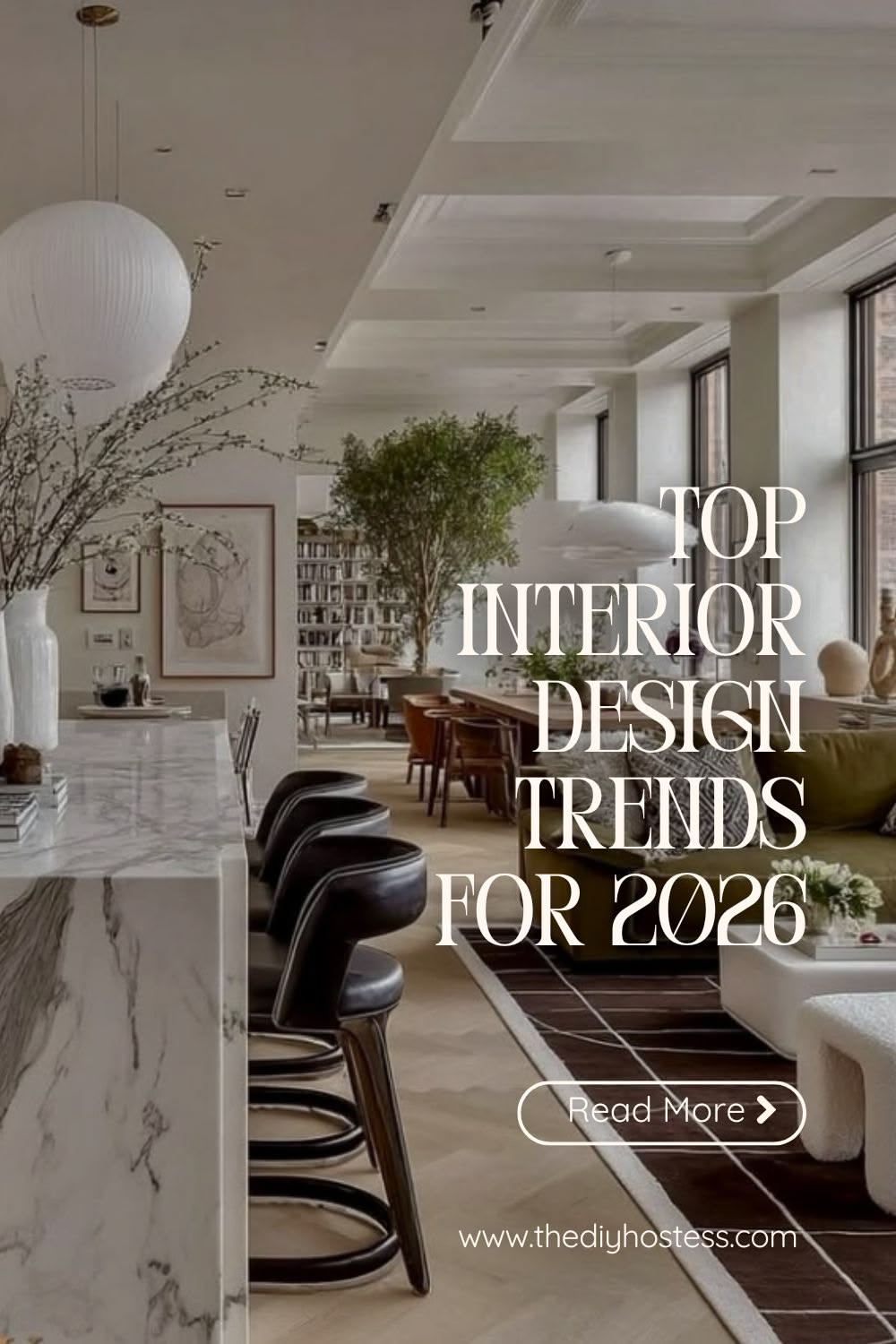
Interior design is constantly evolving, reflecting changes in lifestyle, technology, and personal preferences. Modern homeowners today seek spaces that are not only visually appealing but also functional, comfortable, and sustainable. As living spaces become more personalized, interior design trends are focusing on creating environments that enhance well-being while maintaining a stylish aesthetic. Here are some of the top interior design trends shaping modern homes.
1. Sustainable and Eco-Friendly Design
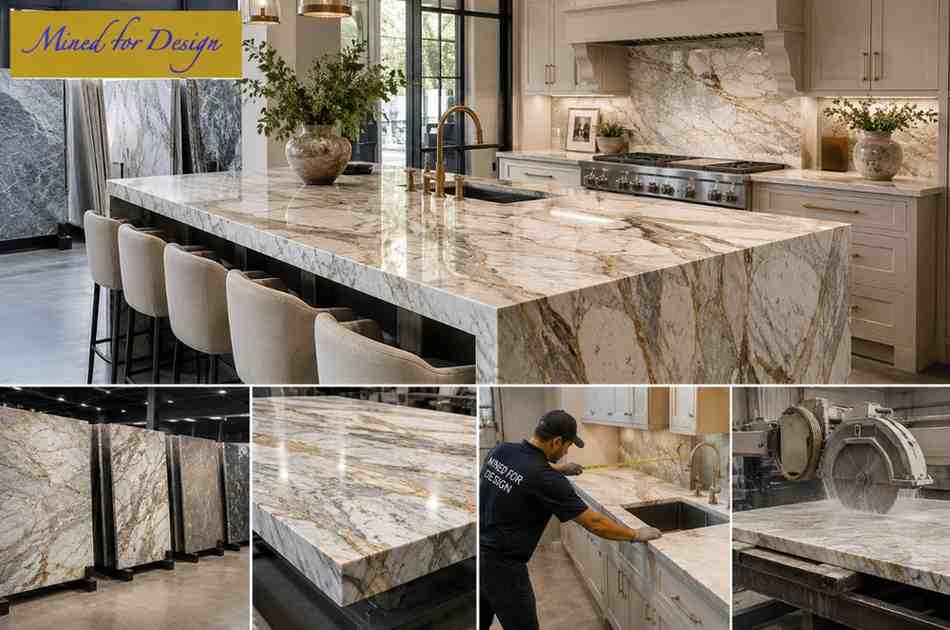
Sustainability has become one of the most important aspects of modern interior design. Homeowners are increasingly choosing eco-friendly materials such as bamboo, reclaimed wood, recycled metal, and natural stone. Energy-efficient lighting, low-VOC paints, and sustainable furniture are also gaining popularity.
This trend not only helps reduce environmental impact but also creates healthier living spaces. Designers are focusing on durability and timeless appeal, encouraging homeowners to invest in quality pieces that last longer.
2. Natural Elements and Biophilic Design
Bringing nature indoors is a major trend in modern homes. Biophilic design emphasizes the connection between people and nature through the use of indoor plants, natural lighting, water features, and organic materials.
Large windows, indoor gardens, wooden textures, and earthy color palettes create a calming atmosphere. This approach improves mental well-being and makes homes feel more refreshing and inviting.
3. Minimalist Yet Functional Spaces
Minimalism continues to influence interior design, but modern minimalism focuses more on functionality than emptiness. Homeowners prefer clean lines, clutter-free spaces, and practical furniture that serves multiple purposes.
Smart storage solutions, built-in shelving, and multifunctional furniture help maximize space while maintaining a sleek and organized appearance. The goal is to create a home that feels spacious, comfortable, and efficient.
4. Warm and Earthy Color Palettes
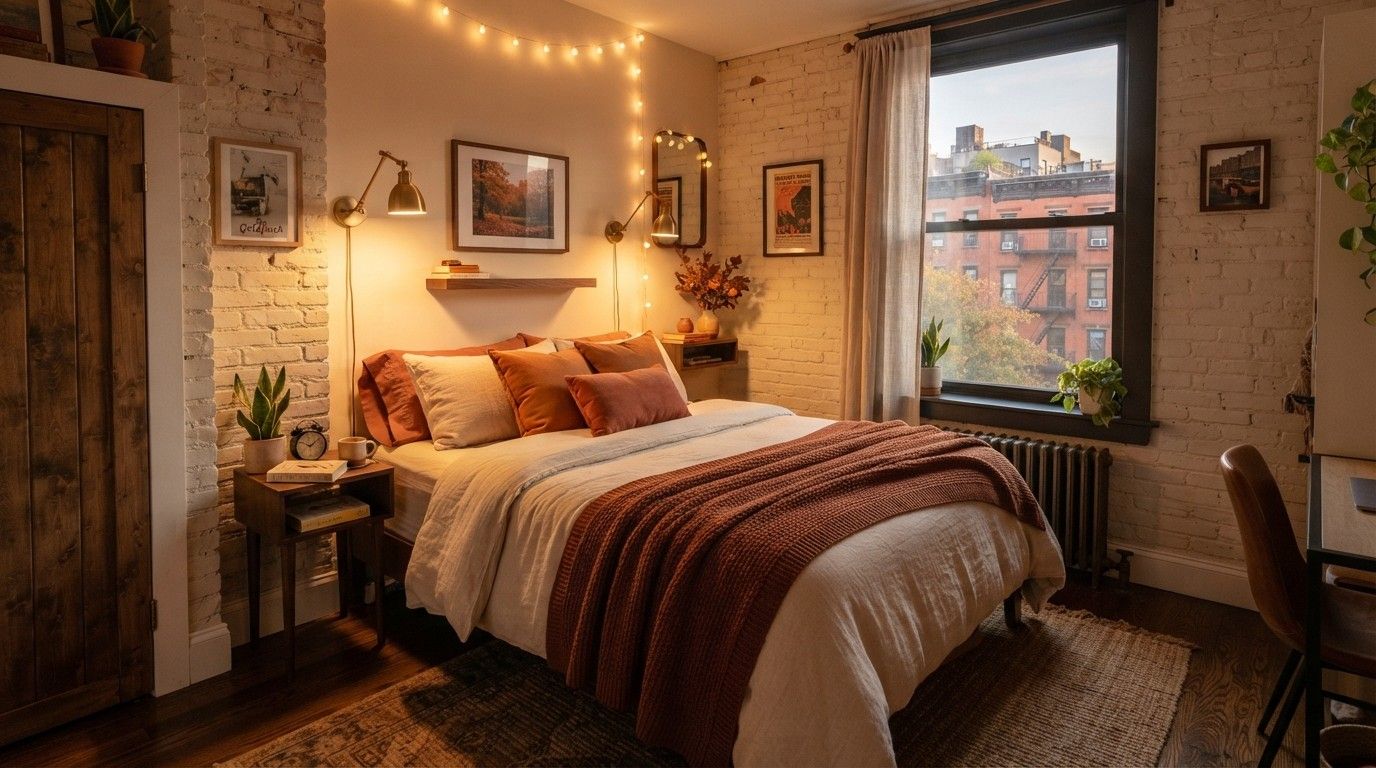
While neutral shades remain popular, modern homes are moving away from stark whites and embracing warmer tones. Colors such as terracotta, beige, olive green, warm brown, and muted clay create a cozy and welcoming environment.
These earthy hues add depth and character to interiors while complementing natural materials and textures. They also provide a timeless look that remains stylish for years.
5. Smart Home Integration
Technology is transforming interior design by making homes more convenient and efficient. Smart lighting, automated curtains, voice-controlled appliances, and intelligent security systems are becoming standard features in modern homes.
Interior designers are now incorporating technology seamlessly into the design so that it enhances functionality without disrupting the overall aesthetic. Smart homes offer improved comfort, energy efficiency, and security.
6. Statement Lighting
Lighting has evolved from being a purely functional element to a key design feature. Modern homes often incorporate bold chandeliers, pendant lights, sculptural fixtures, and layered lighting designs.
Statement lighting can become the focal point of a room while creating the desired mood and ambiance. Combining ambient, task, and accent lighting helps achieve both functionality and visual appeal.
7. Open and Flexible Layouts
Open-plan living continues to be popular, especially in urban homes where space optimization is important. Living rooms, dining areas, and kitchens are often integrated to create a more spacious and connected environment.
Flexible layouts allow homeowners to adapt spaces according to changing needs. Movable partitions, modular furniture, and multifunctional rooms make homes more versatile and practical.
8. Textured Interiors
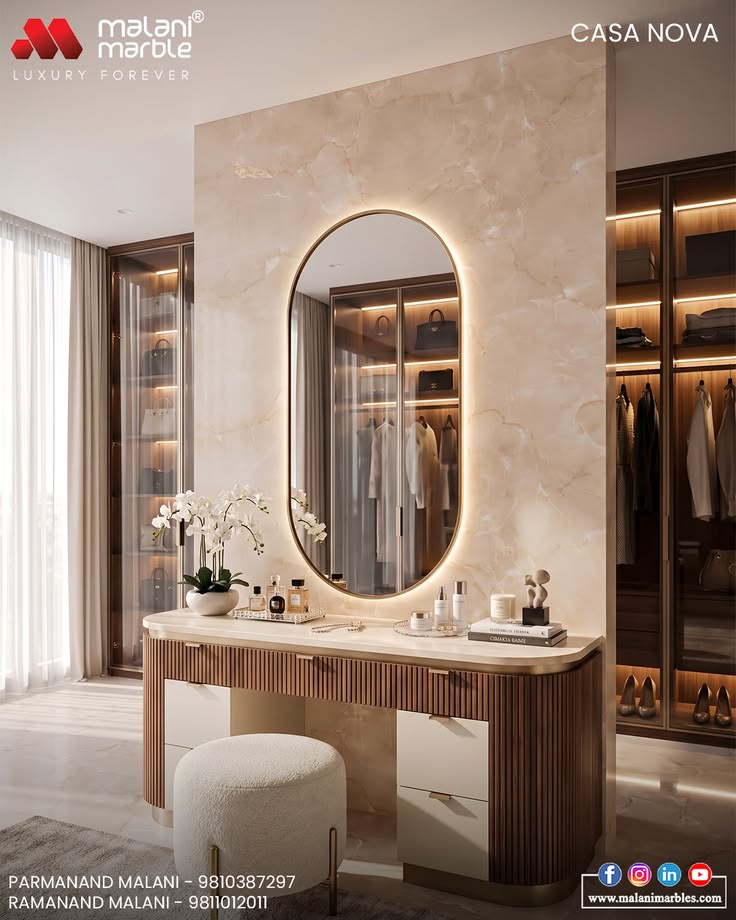
Texture is playing a significant role in modern interior design. Designers are mixing materials such as wood, stone, metal, linen, velvet, and ceramics to add visual interest and depth.
Layering textures creates a rich and inviting atmosphere while maintaining a sophisticated look. Textured walls, woven fabrics, and handcrafted décor pieces are increasingly being used to enhance interiors.
9. Personalized Design Choices
Modern homeowners are moving away from generic designs and embracing personalized interiors that reflect their lifestyles and personalities. Custom furniture, unique artwork, family heirlooms, and curated décor elements help create distinctive living spaces.
Personalization ensures that homes feel authentic and meaningful rather than simply following temporary trends.
10. Wellness-Focused Interiors
Wellness is becoming a central consideration in home design. Spaces are being designed to promote relaxation, productivity, and overall well-being. Features such as meditation corners, ergonomic furniture, improved ventilation, and natural lighting contribute to healthier living environments.
Designers are creating homes that support both physical and mental health, making wellness-focused interiors one of the most influential trends today.
Conclusion
Modern interior design is about creating spaces that combine beauty, functionality, and sustainability. From eco-friendly materials and smart home technology to personalized décor and wellness-focused environments, today's trends reflect the evolving needs of homeowners. By incorporating these design elements, individuals can create modern homes that are stylish, comfortable, and future-ready.
For aspiring interior designers, understanding these trends is essential for developing innovative design solutions and meeting the expectations of modern clients. As the industry continues to evolve, staying updated with the latest trends can open doors to exciting career opportunities in interior design.