Invisalign Treatment: Cost, Benefits, Process & Results in India
-

- Published Updated
- 2,490 views
A straighter smile can make everyday life more comfortable, but many people hesitate to pursue orthodontic treatment because they do not want visible metal brackets and wires. This has increased interest in discreet orthodontic options that can fit more naturally into work, college, social events, and daily routines.
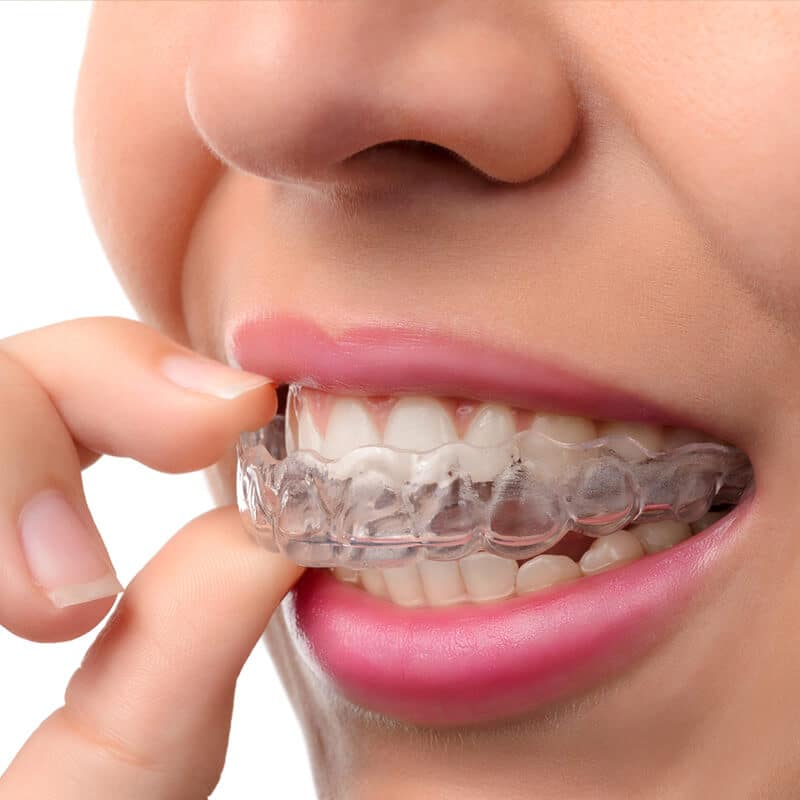
Clear removable aligners offer an alternative approach for suitable patients. They are designed to gradually move teeth according to an individualized treatment plan while remaining much less noticeable than traditional braces.
If you are considering invisalign treatment, understanding how it works, who may be suitable, what it can cost, and what daily care involves can help you make a better-informed decision.
What Is Invisalign Treatment?
Invisalign treatment uses a series of transparent, removable aligners designed to gradually move teeth toward planned positions. Each aligner is created as part of a customized treatment sequence rather than being a generic tray.
The process begins with an orthodontic assessment. Depending on the patient's situation, the dental professional may use photographs, digital scans, X-rays, and other diagnostic information to understand the current position of the teeth and bite.
A digital treatment plan can then be used to determine the intended sequence of tooth movements.
Instead of having brackets permanently attached to the teeth, patients wear their aligners according to the instructions provided by their orthodontic professional.
Who Can Benefit From Invisalign?
Clear aligners can be suitable for many common orthodontic concerns, although not every patient is an appropriate candidate.
People may seek treatment for:
- Crowded teeth
- Gaps between teeth
- Certain cases of rotated teeth
- Mild or moderate alignment problems
- Some bite-related concerns
- Teeth that have moved after previous orthodontic treatment
- Cosmetic concerns related to uneven tooth positioning
The important distinction is that suitability depends on the individual orthodontic problem, not simply on whether someone wants invisible-looking braces.
A professional examination is necessary to determine whether predictable tooth movement can be achieved with aligners.
How Does the Treatment Process Work?
Understanding the treatment journey can make the process feel much less complicated.
Initial consultation:
The orthodontic professional evaluates your teeth, gums, bite, and overall oral condition.
Digital records:
Scans, photographs, or X-rays may be taken when required for diagnosis and treatment planning.
Customized plan:
The planned tooth movements are mapped out, and the required series of aligners is determined.
Wearing the aligners:
Patients wear each set according to their orthodontist's instructions before progressing to the next stage.
Progress monitoring:
Follow-up appointments help the orthodontic professional assess progress and determine whether adjustments are needed.
Retention:
After active orthodontic treatment, retainers are generally used to help maintain the achieved tooth positions.
This process is designed around gradual movement rather than trying to straighten teeth immediately.
Invisalign vs Traditional Braces
One of the main reasons people consider Invisalign braces is appearance. Traditional braces use fixed brackets and wires, while clear aligners are transparent and removable.
There are practical differences between the two.
Appearance:
Clear aligners are generally much less noticeable.
Eating:
Aligners can be removed during meals, allowing patients to continue eating a normal range of foods.
Oral hygiene:
Because aligners are removable, patients can brush and floss without navigating around fixed brackets.
Lifestyle:
People who work in customer-facing roles, attend meetings, or regularly appear in photographs may appreciate the discreet appearance.
Compliance:
This is an important consideration. Because aligners can be removed, patients must follow their prescribed wearing schedule. Someone who frequently leaves them out may compromise treatment progress.
Traditional braces do not depend on the patient remembering to put them back in, so the best option depends partly on lifestyle and personal discipline.
Invisalign Cost in India
The Invisalign cost in India varies depending on the complexity of the orthodontic case, treatment duration, number of aligners required, provider, and other factors.
Current official Invisalign India information lists indicative starting prices of approximately ₹1,50,000 for mild cases, ₹2,50,000 for moderate cases, and ₹3,50,000 for severe cases. These figures are indicative rather than personalized quotations. (invisalign.in)
The final quotation may depend on:
- Severity of crowding
- Complexity of tooth movement
- Bite correction requirements
- Number of aligners
- Treatment duration
- Refinements, if required
- Orthodontic expertise
- Diagnostic procedures
- Retainers and post-treatment care
Therefore, patients should avoid assuming that every Invisalign case will cost the same.
Invisalign Treatment Cost: What Should Be Included?
When comparing Invisalign treatment cost, it is useful to look beyond the initial number.
Ask whether your quotation includes:
- Initial consultation
- Dental examination
- Digital scanning
- Treatment planning
- Complete aligner series
- Follow-up appointments
- Refinements where applicable
- Retainers
- Post-treatment monitoring
Two quotations can appear very different simply because one includes more services.
For example, suppose one provider quotes a lower upfront amount but charges separately for scans, refinements, and retainers. Another quotation may appear higher but include these services. Comparing the complete treatment package provides a more meaningful picture of value.
Benefits of Clear Aligners
For suitable candidates, clear aligners in India can provide several practical benefits.
Discreet appearance:
The transparent design makes them less noticeable than conventional braces.
Removability:
Patients can remove the aligners for eating and routine dental hygiene.
No traditional brackets:
There are no conventional metal brackets attached to the teeth.
Convenient hygiene:
Removing the aligners makes normal brushing and flossing easier.
Lifestyle flexibility:
People can continue many normal activities without the visual presence of traditional braces.
However, clear aligners are not completely maintenance-free. They need to be cleaned appropriately and worn consistently.
How Long Does Invisalign Take?
There is no single treatment duration that applies to everyone.
A patient with minor spacing may require a relatively shorter course, while someone with significant crowding or bite-related concerns may need considerably longer.
Treatment duration can be influenced by:
- Number and type of tooth movements
- Complexity of the bite
- Patient compliance
- Treatment response
- Additional refinements
- Whether other dental issues need attention first
Patients should be cautious about advertisements promising that every smile can be transformed within a fixed number of weeks.
A personalized treatment plan provides a much more reliable timeline.
What Is Daily Life Like During Treatment?
One of the biggest advantages of teeth straightening with Invisalign is that the aligners can be removed when appropriate.
For meals, patients can remove the aligners and then clean their teeth before putting them back in. Water is generally the simplest choice while wearing aligners, while other drinks may require removal depending on professional instructions.
Good habits include:
- Cleaning your teeth regularly
- Keeping aligners clean
- Storing them safely when removed
- Following the prescribed wearing schedule
- Changing aligners as instructed
- Attending scheduled reviews
A busy professional, for example, may appreciate being able to remove aligners before an important meal or event. However, convenience should not become an excuse for inconsistent wear.
Is Invisalign Painful?
Some patients experience temporary pressure, tightness, or mild discomfort when beginning a new aligner. This can occur because the aligner is designed to apply controlled forces to the teeth.
Experiences vary between individuals.
Significant or persistent pain should not simply be ignored. If discomfort is unusual, prolonged, or accompanied by swelling or other symptoms, the treating dental professional should be contacted.
Why Retainers Matter After Treatment
Finishing the aligner series does not mean the orthodontic journey is necessarily over.
Teeth can shift after orthodontic treatment because the tissues surrounding them continue to adapt. Retainers are therefore commonly recommended to help maintain the new alignment.
The type of retainer and wearing schedule should be determined by the treating orthodontist.
Patients who invest time and money into orthodontic treatment should understand retention from the beginning rather than treating it as an optional final step.
How to Choose an Invisalign Provider
Choosing the right professional is just as important as choosing the aligner system.
Consider:
- Relevant orthodontic qualifications
- Experience with clear-aligner cases
- Thorough examination before treatment
- Transparent pricing
- Clear explanation of treatment limitations
- Follow-up arrangements
- Retention planning
- Realistic expectations
Be cautious of anyone promising guaranteed results without properly examining your teeth and bite.
Good orthodontic care begins with diagnosis and treatment planning—not simply selling a cosmetic package.
Frequently Asked Questions
1. Is Invisalign suitable for everyone?
No. Suitability depends on the individual's teeth, bite, gum health, required tooth movements, and overall orthodontic needs. A professional assessment is necessary before treatment.
2. How much does Invisalign treatment cost in India?
Current official Invisalign India information lists indicative starting prices of ₹1,50,000 for mild cases, ₹2,50,000 for moderate cases, and ₹3,50,000 for severe cases. The actual quotation can vary according to individual treatment requirements. (invisalign.in)
3. Are clear aligners better than traditional braces?
Neither is universally better. Clear aligners offer discreet appearance and removability, while traditional braces can be appropriate for certain complex orthodontic movements. The choice should be based on the individual case.
4. How long does Invisalign treatment take?
Treatment duration varies according to case complexity and patient response. Mild alignment concerns may require less time than complex cases involving significant crowding or bite correction.
5. Do teeth stay straight permanently after Invisalign?
Retention is generally needed because teeth can shift over time. A treating orthodontist can recommend an appropriate retainer and wearing schedule to help maintain the result.
Final Thoughts
Choosing invisalign treatment is a decision that should be based on your orthodontic needs rather than appearance or price alone. Clear aligners can offer a discreet and removable approach for suitable patients, but successful treatment also requires proper diagnosis, consistent wear, professional monitoring, and long-term retention.
Before starting, discuss your alignment concerns, expected treatment duration, total cost, included services, potential limitations, and retainer requirements with a qualified orthodontic professional. Taking the time to understand these factors can help you choose a treatment approach that is both practical for your lifestyle and appropriate for your dental needs. Read more: https://www.dentaldelhi.in/invisalign-treatment.html