What Evidence Should an IRS Whistleblower Preserve Before Reporting Offshore Shell Companies or Transfer Pricing Schemes
-

- Published Updated
- 147 views
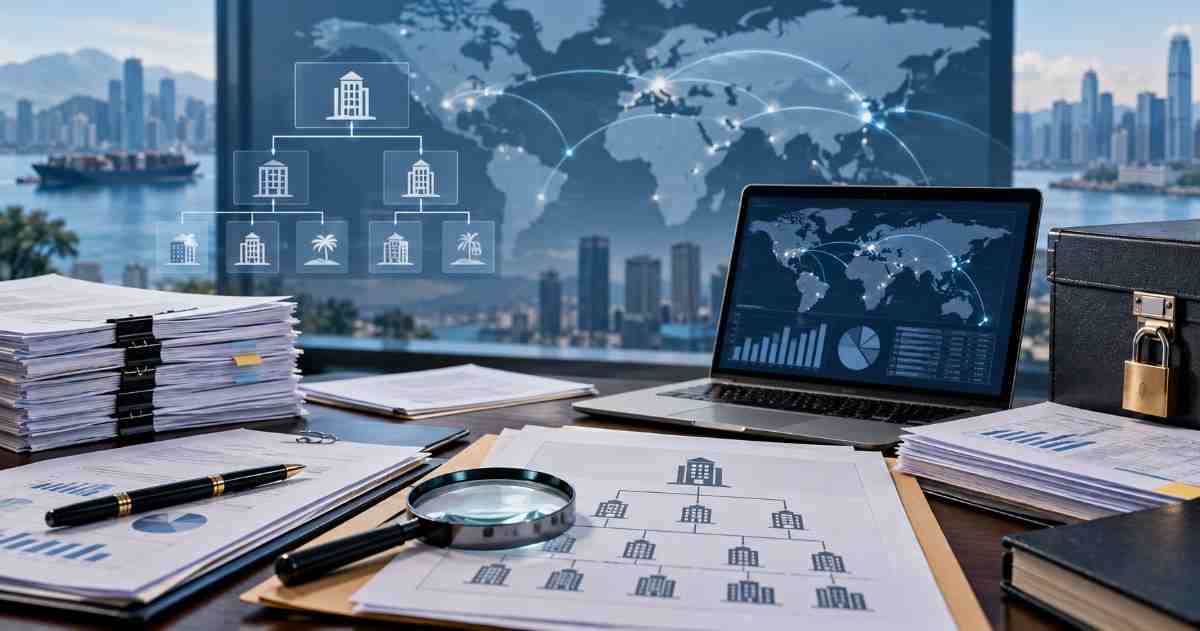
Reporting offshore tax fraud can be complex. The strength of a whistleblower claim often depends on the quality of the evidence provided.
A clear set of records can help explain who was involved, how money moved, and which tax issues may exist. People dealing with complex offshore tax matters may want to speak with IRS Whistleblower attorneys San Jose before filing a claim or sending sensitive documents.
Whistleblowers should focus on records they obtained through lawful access. They should also preserve original files and avoid changing important details.
Preserve Records That Show Who Controls Offshore Companies
Offshore shell companies may be used to hold assets, receive payments, or move income between countries. The legal owner listed on paper may not always be the person who controls the company.
Records that show actual control can be important.
Useful evidence may include company formation records, shareholder lists, ownership charts, board records, and internal company files. Documents that identify directors, officers, or authorized account signers may also help.
Bank records can provide another layer of evidence. Statements, wire transfer records, payment instructions, and account details may show how funds moved between companies.
Emails and internal messages may also show who gave orders or approved transactions.
Whistleblowers should avoid changing these files. Original records may contain dates, sender details, and other data that help show where the information came from.
Keep Evidence of Beneficial Ownership
A key issue in many offshore cases is beneficial ownership.
This refers to the person who truly owns or controls an asset, even if another name appears on company records.
Documents that connect an individual to an offshore company may be useful. These can include bank instructions, account opening files, signature cards, ownership agreements, or emails discussing control.
Records that show who receives the financial benefit may also matter.
Save Transfer Pricing Documents and Internal Approvals
Transfer pricing involves prices charged between related companies.
For example, a U.S. company may pay a related foreign company for services, loans, intellectual property, or goods. Tax rules generally require these prices to reflect terms that independent companies might use.
Whistleblowers should preserve records that show how these prices were set.
Useful documents may include intercompany agreements, transfer pricing studies, royalty contracts, loan agreements, service contracts, and cost-sharing arrangements.
Internal spreadsheets may also be important. They can show how a company calculated fees, profit margins, or interest rates.
Emails from finance leaders or tax staff may explain why a certain price was chosen. These messages can help show whether the company followed its written policy or used a different method in practice.
Compare Internal Prices With Outside Transactions
Documents that compare related-party prices with independent market prices may be useful.
For example, a company may charge a related business one rate while charging unrelated customers another rate for similar services.
Records showing these differences can provide helpful context.
Whistleblowers should keep copies of contracts, invoices, pricing schedules, and sales records that support such comparisons.
Preserve Tax and Accounting Records
Tax returns and accounting records may help connect business activity to reported tax results.
Useful records may include general ledgers, journal entries, trial balances, tax workpapers, and financial statements.
Foreign information returns may also be relevant in some cases.
Records that show large adjustments near the end of a tax year may deserve attention. The same applies to entries that move income, expenses, or profits between related companies.
Whistleblowers should preserve the records as they found them.
Do not add notes directly to original files. Keep separate working notes instead.
Build a Clear Timeline
A large set of documents can be difficult to understand without context.
A simple timeline can make the evidence easier to follow.
List key dates, tax years, transactions, companies, and people involved. Explain what happened and why each event may matter.
The timeline should separate facts from assumptions.
For example, note whether you personally saw a transaction, received an email, attended a meeting, or learned about an issue from another person.
This helps show the source of the information.
Track Where Each Document Came From
Whistleblowers should keep basic notes about each important record.
Write down where the file came from, when it was received, and where the original is stored.
This may help later if questions arise about the source or accuracy of the evidence.
Be Careful With Privileged or Restricted Information
Not every document should be copied or submitted.
Some records may contain attorney-client communications or other protected material. Other files may come from systems that the whistleblower was not allowed to access.
Whistleblowers should not enter restricted accounts, devices, databases, or email systems without permission.
They should also avoid taking records simply because the documents might strengthen a claim.
Legal guidance can be useful when records contain sensitive or privileged material.
Organize Evidence Before Filing Form 211
The IRS Whistleblower Office uses Form 211 for whistleblower award claims.
Before filing, organize records in a simple structure.
Group documents by company, tax year, transaction type, and tax issue. Keep original files separate from working copies.
It can also help to create a short index that explains what each document shows.
A clear evidence package may help the IRS understand the reported conduct faster.
Strong records can show who controlled the offshore companies, where funds moved, how transfer prices were set, and how the whistleblower learned the information.
Good organization also reduces confusion. It gives investigators a clearer view of the people, transactions, and tax years involved.
The goal is not to collect every possible document. The goal is to preserve relevant, reliable, and lawfully obtained evidence that helps explain the suspected tax violation.