Complete Kashmir Great Lakes Trek Guide: Route, Camps, Permits & Safety
-
- Published Updated
- 2,961 views
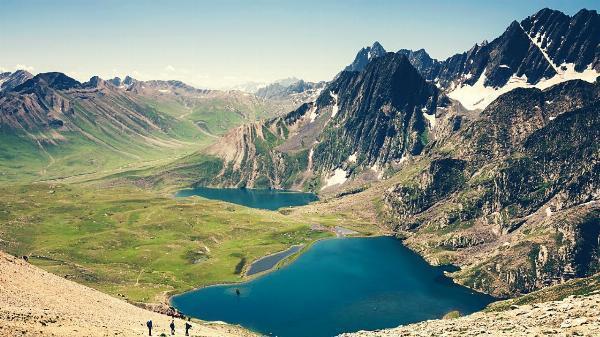
The Kashmir Great Lakes trek is one of the most celebrated high-altitude circuit treks in the Indian Himalaya, crossing alpine meadows, high passes and a chain of sapphire-blue lakes. This guide explains the typical route, logistics, safety considerations, environmental responsibilities and practical tips for planning the journey.
- Distance: about 70–90 km depending on start and finish points
- Typical duration: 6–10 days
- Highest points: passes around 4,000–4,200 m (13,000–13,800 ft)
- Best season: late June to early September
- Main base: Sonamarg or Srinagar for approach
Kashmir Great Lakes trek: Overview
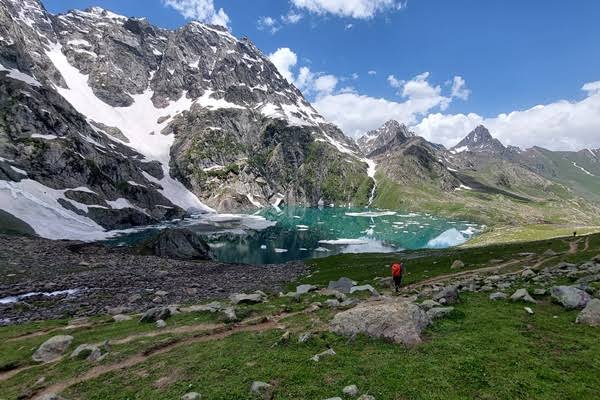
The Kashmir Great Lakes trek traverses the alpine zone of the Pir Panjal and Zanskar ranges and links a sequence of high-altitude lakes such as Vishansar, Krishansar, Gadsar and Gangabal. Trekkers typically start from Sonamarg or Naranag and follow a loop that combines grassy meadows (pastures locally called "margs"), moraine-backed lakes and glacial streams. The route is valued for scenic variety and relative accessibility from Srinagar.
Typical route and daily stages
Common itinerary
Popular itineraries range from 6 to 10 days. A common 7–8 day schedule includes:
- Day 1: Drive to Sonamarg, trek to Nichnai/Nar before camp
- Day 2: Trek to Vishansar/Kishansar area
- Day 3: Cross Gadsar Pass and reach Gadsar Lake
- Day 4: Trek to Satsar Meadows
- Day 5: Cross the Megal Pass or other local pass to Gangabal/Arangkel
- Day 6: Descend towards Naranag or return to Sonamarg depending on route
Daily distances and elevation
Daily walking typically varies between 8 and 20 km with elevation gains of several hundred meters. High passes are the hardest sections and can require early starts and careful pacing.
Planning, permits and local guidance
Permits and official guidance
Some sections require permits or coordination with local authorities and registered agencies. Verify current requirements with regional tourism authorities and local administrative offices. The Jammu & Kashmir Tourism Department provides route and travel information for visitors and can be a helpful official reference for permits and up-to-date travel advisories: https://www.jktourism.org/.
Hiring local support
Options include independent self-supported trekking, hiring local porters and cooks, or traveling with licensed trekking operators. Using local services supports the economy and can improve route-finding in foggy or snowy conditions.
Terrain, altitude and difficulty
Terrain types
Terrain ranges from well-defined trails through meadows to rocky moraine and steep scree on passes. Snowfields may persist on higher sections into the summer season.
Altitude considerations
Maximum elevations on the Kashmir Great Lakes trek typically exceed 4,000 m. Acclimatization and gradual ascent reduce the likelihood of altitude-related problems. Consult official health guidance before travel and plan a conservative itinerary that includes rest and hydration.
Gear, food and campsite logistics
Essential equipment
- Four-season or sturdy three-season tent and sleeping system rated for near-freezing nights at high altitude
- Layered clothing, waterproof shell, warm hat and gloves
- Sturdy trekking boots, gaiters and trekking poles
- Navigation tools: map, compass, GPS or offline mapping app
Food and water
Water should be treated by boiling, filtering or chemical disinfection. Carry high-energy, lightweight food and plan resupply points if the itinerary passes through inhabited villages.
Safety, weather and environmental responsibilities
Weather and conditions
Weather in the high Himalaya can change rapidly. Expect cool nights, afternoon showers during the monsoon fringe, and the possibility of early snow at higher elevations. Plan flexibility into the schedule and monitor local weather updates.
Leave No Trace
Follow Leave No Trace principles: pack out all non-biodegradable waste, use established campsites where available, avoid disturbing wildlife, and minimize campfire impacts. These practices protect fragile alpine lakes and pasture ecosystems.
Practical tips for a smooth trek
Acclimatize and pace
Allow time to adapt to altitude and factor in rest days if coming from low elevation. Maintain steady pacing and proper hydration.
Local culture and etiquette
Respect local communities, shepherds and religious sites encountered along the route. Dress modestly in villages and ask before photographing people or private property.
Maps and navigation
Carry reliable maps and a backup navigation source. Trail markers may be sparse in some sections, especially after snowmelt, so basic navigation skills are valuable.
What to expect after the trek
Returned travelers often report striking contrasts between high alpine solitude and the valley life near Srinagar. Allow time for rest and recovery; seek local medical attention if any unusual symptoms persist after descent.
FAQ
What is the best time for the Kashmir Great Lakes trek?
Late June through early September is generally the best window, when most snow has melted and high meadows are accessible. Early seasons may have lingering snow and require mountaineering experience and equipment.
How difficult is the Kashmir Great Lakes trek?
The trek is considered moderate to strenuous due to daily distance and high passes. Fitness, previous trekking experience and acclimatization influence perceived difficulty.
Are there trained mountain rescue services available?
Emergency services in remote high-altitude regions are limited. Local authorities and licensed operators often maintain communication plans; trekkers should carry personal emergency communication devices and share itinerary details with local contacts.
Is camping available along the Kashmir Great Lakes trek?
Yes. Most trekking itineraries are supported by campsites on alpine meadows and beside lakes. Bookings through local operators often include tents, food and support staff.
Can the Kashmir Great Lakes trek be done independently?
Experienced trekkers with navigation skills and high-altitude experience can undertake the trek independently, but hiring local guides or joining organized groups increases safety and simplifies logistics.
References: Regional tourism authorities and the Indian Mountaineering Foundation provide additional official guidance for planning high-altitude treks in India.