Kid-Friendly Kenya: Top Family Safari Adventures and Wildlife Experiences
-

- February 23rd, 2026
- 1,172 views

FREE SEO Topical Map Generator: Find Your Next Content Ideas
Planning family safaris in Kenya brings together wildlife viewing, cultural experiences, and outdoor learning for children and adults. Kenya’s national parks and reserves offer chances to see the Big Five, witness the Great Migration, and introduce young travelers to conservation and local communities.
- Top family destinations: Maasai Mara, Amboseli, Samburu, and coastal reserves.
- Kid-friendly activities: guided game drives, nature walks, cultural visits, and boat trips.
- Key considerations: age-appropriate itineraries, accommodation type, safety, and seasonal planning.
- Official guidance and park rules are administered by the Kenya Wildlife Service.
Why choose family safaris in Kenya
Kenya combines accessible wildlife viewing with infrastructure that can suit multigenerational groups, from family-run tented camps to lodges with family suites. Wildlife hotspots are relatively compact, making game drives and short transfers realistic for younger travelers. Many providers and parks offer educational programs that highlight conservation, biodiversity, and the role of protected areas in preserving species such as lions, elephants, and giraffes.
Best destinations and experiences for families
Maasai Mara National Reserve
Renowned for the Great Migration and high densities of predators, the Maasai Mara is a classic family destination. Game drives are the main activity, and some camps provide child-focused programs and safe short walks with guides to learn about tracks, birds, and plants.
Amboseli National Park
Famous for clear views of Mount Kilimanjaro and large elephant herds, Amboseli has flat terrain that makes wildlife spotting accessible. Family-oriented lodges often offer educational talks about elephant ecology and the park’s role in regional conservation.
Samburu and Laikipia
Northern reserves such as Samburu and conservancies in Laikipia present opportunities to see species adapted to drier habitats, including Grevy’s zebra and reticulated giraffe. Many conservancies emphasize low-impact tourism and can arrange mobile or flexible activities suited to families.
Coastal reserves and marine life
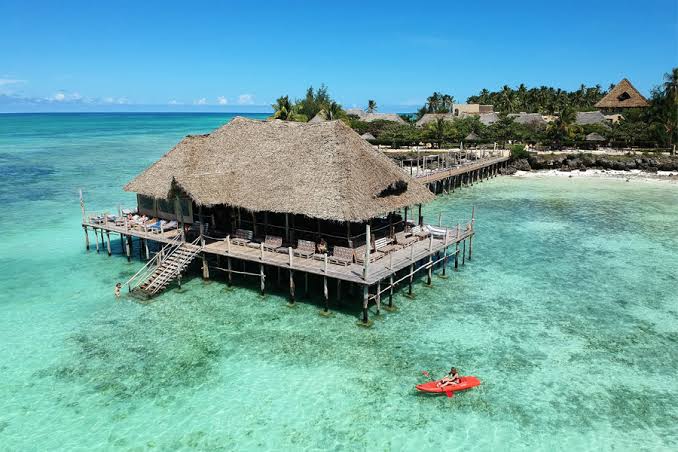
For families combining beach time with wildlife, coastal marine reserves offer snorkeling, dhow trips, and marine conservation activities. These can provide a balance to land-based safaris and greater variety for children who enjoy water-based experiences.
Practical planning: accommodation, transport, and timing
Choosing accommodation
Options range from family rooms in permanent lodges to private tented camps and self-catering cottages. Consider proximity to park gates to reduce daily drive times, and confirm child policies—some camps have age minimums for certain activities.
Transport and logistics
Most family itineraries use a mix of short flights, private transfers, and game-drive vehicles. Road conditions vary; choose transfer options that match the family’s tolerance for travel. Planning rest days and avoiding back-to-back long transfers helps maintain energy levels for younger travelers.
Best time to visit
Peak wildlife viewing and easier road conditions typically occur during the dry seasons. For witnessing the Great Migration in Maasai Mara, time plans around migration patterns (usually mid-year to October), and check seasonal variations before booking.
Activities tailored to children and teens
Guided game drives and junior naturalist programs
Short, focused game drives and guided interpretation sessions introduce children to animal behavior, tracking, and birdwatching. Some camps run junior ranger or naturalist programs with age-appropriate content supervised by trained guides.
Nature walks, cultural visits, and community projects
Guided walks in designated areas can teach families about plant life and animal signs. Visits to nearby communities provide cultural learning and ethical engagement opportunities when conducted respectfully and through established community-run initiatives.
Safety, conservation, and official guidance
Park rules, visitor safety protocols, and wildlife protection measures are overseen by organizations such as the Kenya Wildlife Service. Confirm park regulations, vehicle rules, and wildlife viewing distances before arrival. When participating in community or conservation projects, choose programs that are transparent about benefits to local people and wildlife.
For official information on park regulations, fees, and conservation initiatives, consult the Kenya Wildlife Service website: Kenya Wildlife Service.
Tips for a comfortable family safari
Packing and health
Bring layered clothing, sun protection, binoculars, and basic first-aid supplies. Confirm health-related recommendations with travel health professionals and review vaccination and travel advisories from official public health authorities.
Respectful wildlife viewing and sustainability
Follow guide instructions to minimize disturbance to animals. Support operators and lodges that demonstrate sustainable practices, hire locally, and contribute to conservation and community development.
Budgeting and booking considerations
Costs vary widely depending on accommodation level, internal flights, and included activities. Compare itineraries that prioritize fewer destinations with deeper experiences rather than rapid, multi-park travel—this often suits families better. Ask about child discounts and whether activities or park fees are included in the quoted price.
Frequently asked questions
Are family safaris in Kenya suitable for young children?
Yes—many parks and camps cater to families with young children by offering shorter game drives, child-safe accommodation, and educational activities. Confirm age policies and available child services when booking and allow flexibility in daily schedules.
What vaccinations or health precautions are recommended before travel?
Health recommendations can vary by itinerary and traveler age. Consult official public health guidance and a travel health clinic for personalized recommendations, including malaria prevention and routine vaccinations.
How to support conservation and local communities during a safari?
Choose operators that contribute to community projects, hire local guides, and work within accredited conservancies. Respect local customs, follow park rules, and consider donations to vetted conservation or educational programs run by recognized organizations.