Lab Fermenters: Advantages, Operation, and Scale-Up Best Practices
-

- Published Updated
- 1,671 views
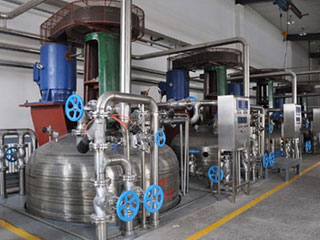
Lab fermenters are controlled bioreactor systems used to grow microbial cultures, yeast, filamentous fungi, and some cell cultures under defined physical and chemical conditions. In laboratory research and small-scale production, lab fermenters provide precise control of parameters such as temperature, pH, dissolved oxygen, and agitation, enabling reproducible experiments and process development.
- Lab fermenters offer control over environmental parameters for microbial and cell cultures.
- Common benefits include reproducibility, efficient resource use, and safe containment.
- Key components: vessel, agitation, aeration, sensors, and control software.
- Selection and scale-up rely on mixing, oxygen transfer, sterilization, and regulatory alignment.
Benefits of Lab Fermenters
Reproducibility and experimental control
Precise monitoring and automated control of variables such as temperature, pH, dissolved oxygen (DO), and feed rates reduce variability between runs. This reproducibility supports method development, strain screening, and data collection for publication or regulatory submissions.
Flexibility for different organism types
Systems are available for aerobic or anaerobic cultivation and can support bacteria, yeast, certain fungal species, and some suspension cell lines. Modular accessories allow adaptation for sterility, sparging gases, and different impeller types to match shear and mass transfer needs.
Resource efficiency and safety
Small-scale lab fermenters use limited volumes for testing conditions before scaling. Closed systems and established sterilization protocols reduce contamination risk and support safe handling of non-pathogenic strains under institutional biosafety guidelines.
Data capture and process optimization
Integrated sensors and data-logging software enable continuous measurement and historical recordkeeping. That data supports optimization of feed strategies, agitation, and aeration for yield, productivity, or product quality.
How Lab Fermenters Work
Core components
Typical components include a sterile vessel (glass or stainless steel), agitation system (impellers and motor), aeration/sparging system, temperature control (jacket or immersion), and sensors for pH, DO, and level. Ports accommodate sampling, additions, and probes without compromising sterility.
Modes of operation
Common cultivation modes are batch (single input at start), fed-batch (controlled addition of nutrients), and continuous (steady-state dilution). Mode selection depends on experimental goals such as maximum biomass, metabolite production, or kinetic studies.
Sterilization and aseptic technique
Sterilization methods include autoclaving for glass vessels and steam-in-place or chemical sterilization for stainless systems. Aseptic sampling and transfer techniques, along with validated sterilization, are essential to prevent contamination and ensure data integrity.
Monitoring and control
Automated controllers maintain setpoints for temperature, pH (via acid/base addition), DO (via agitation or aeration adjustment), and foam control. Advanced systems incorporate feedback loops and programmable recipes to automate complex protocols.
Choosing a Lab Fermenter and Scaling Up
Considerations for selection
Select a system based on culture volume, organism type, required sensor set, and desired level of automation. Materials of construction should be compatible with media and cleaning agents. Software features such as data export and user access control can support reproducibility and compliance.
Scale-up principles
Scale-up from lab fermenters to pilot or production bioreactors involves consideration of mixing time, oxygen transfer rate (kLa), shear environment, and heat transfer. Maintaining comparable hydrodynamic and mass transfer conditions often requires geometric similarity or use of dimensionless numbers (Reynolds, power number) during design and selection.
Regulatory and quality context
When work supports regulated products, alignment with good laboratory practice (GLP) or good manufacturing practice (GMP) and consultation with relevant regulators such as the U.S. Food and Drug Administration (FDA) or the European Medicines Agency (EMA) may be required. Documentation of validation, calibration of sensors, and traceable data records support audits and submissions. For additional guidance, consult the FDA website: https://www.fda.gov.
Practical Tips for Operation and Maintenance
Preventive maintenance
Regular calibration of pH and DO probes, inspection of seals and gaskets, and verification of sterilization cycles prolong system life and reduce downtime. Establish a maintenance log and follow manufacturer recommendations for consumables replacement.
Data management
Implement consistent naming, time stamps, and metadata for experiments. Secure backups and controlled access to electronic records support reproducibility and institutional or regulatory requirements.
Frequently Asked Questions
What are lab fermenters used for?
Lab fermenters are used for controlled cultivation of microorganisms and certain cell cultures to study growth, metabolism, product formation, and to develop processes for scale-up. Applications include strain screening, bioprocess optimization, enzyme production, and research in microbiology and biotechnology.
How do lab fermenters differ from large-scale bioreactors?
Primary differences are scale, materials, and regulatory controls. Lab fermenters are designed for research flexibility, lower volumes, and rapid iteration, whereas large-scale bioreactors focus on process robustness, cleaning/sterilization validation (CIP/SIP), and compliance with production-quality standards.
Which parameters are most important to monitor in a lab fermenter?
Key parameters include temperature, pH, dissolved oxygen, agitation speed, and foam. Depending on application, measurements of substrate concentration, off-gas composition (CO2/O2), and optical density may be important for process control.
Can lab fermenters be used for anaerobic cultures?
Yes. Anaerobic cultivation requires oxygen exclusion, appropriate gas mixes (e.g., N2, CO2), and modifications to sampling and sparging to maintain anoxic conditions. System configuration and validation should ensure oxygen levels remain controlled for the organism in use.
How should contamination be handled?
Contamination incidents should be documented, cultures disposed of following institutional biosafety protocols, and the system cleaned and re-sterilized. Root cause analysis (media, inoculum, handling steps) helps prevent recurrence. Consult institutional biosafety officers for organism-specific guidance.