Best Lamination Machine for Photo Studio India: What Should You Look For?
-
- Published Updated
- 49 views
Photo studios handle different types of work, from everyday photographs and wedding prints to premium albums and large-format displays. The finishing process matters because customers expect photographs to look clean, professional, and suitable for long-term display.
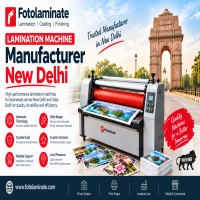
Finding the best lamination machine for photo studio India depends on the type of prints you produce, the materials you use, and your daily workload. Printing businesses that want to offer specialised finishes may also consider a UV coating machine for printing shop India.
Although both machines are used in print finishing, they serve different purposes. Understanding those differences can help you invest in equipment that suits your business.
What Makes a Lamination Machine Suitable for a Photo Studio?
A good laminator should match the size and type of photographs your studio processes regularly. A machine designed for small prints may not be suitable for wide-format photographs or large album sheets.
Before choosing a model, consider these important factors:
- Working width: Check whether the machine can accommodate your largest regular print.
- Lamination method: Decide whether cold or heat-based lamination suits your materials and workflow.
- Pressure control: Consistent pressure can help achieve a more uniform finish when the film and substrate are compatible.
- Roller configuration: Review the machine's specifications and how they relate to your intended applications.
- Ease of operation: Simple controls and accessible adjustments can be helpful for everyday studio work.
- After-sales support: Consider installation, spare parts, maintenance, and warranty coverage.
The best machine is not necessarily the most expensive one. It is the model that meets your requirements without adding unnecessary operating costs.
Cold or Hot Lamination: Which Should You Consider?
Cold and hot lamination use different bonding methods, and the right choice depends on the film and material being processed.
Cold lamination uses pressure-sensitive adhesive film and does not require heat to activate the adhesive. It may be suitable for photographic prints and other compatible materials that should not be exposed to the temperatures used in hot lamination.
Hot lamination uses heat and pressure with a compatible film. It can work well for applications designed for heat-based bonding.
When comparing these options, check:
- Compatibility with your photographic paper and printed surfaces
- The finish required by your customers
- Film availability and running costs
- Machine working width and production volume
- The manufacturer's recommended operating process
Testing a sample before purchasing a machine or a large quantity of film can help prevent avoidable finishing problems.
Why Consider a UV Coating Machine for a Printing Shop?
A UV coating machine for printing shop India may be worth considering when a business wants to offer specialised surface finishes on suitable printed products.
UV coating involves applying a coating to a compatible surface and curing it with ultraviolet light. Depending on the coating system, it can create a glossy or other specified finish. Spot UV applications can highlight selected design elements, such as logos, text, or patterns.
Printing shops may explore UV coating for:
- Brochures and business cards
- Premium printed covers
- Packaging and promotional materials
- Selected photo album components
- Presentation materials and invitations
UV coating is different from conventional film lamination. Before buying equipment, confirm the intended coating method, supported materials, working dimensions, and production requirements.
What Should You Check Before Buying UV Coating Equipment?
A machine should suit the type of printing work you already handle or realistically expect to receive.
Use this checklist when speaking with suppliers:
- Application: Confirm whether the machine supports full-surface coating, spot coating, or another specified process.
- Working size: Match the usable area to your regular sheet dimensions.
- Production capacity: Consider your expected workload and processing needs.
- Operating requirements: Ask about power, space, ventilation, and safe operation.
- Consumables: Understand coating material requirements and routine cleaning.
- Service support: Check installation assistance, operator training, and spare parts availability.
Request a demonstration where possible, particularly if the finish needs to meet specific customer expectations.
Should a Photo Studio Invest in Both Machines?
Not every studio needs both a laminator and a UV coating machine. The decision depends on the services offered and the type of finishing customers request.
A studio mainly producing photographs and albums may prioritise a suitable lamination machine. A business that also handles commercial printing or premium promotional products may find UV coating useful.
Before investing, review the jobs you currently outsource and the services customers ask for most frequently. Start with equipment that solves a clear production need, then expand as the business grows.
Final Thoughts
Choosing the best lamination machine for photo studio India requires a clear understanding of print sizes, film compatibility, and daily production requirements. Meanwhile, a UV coating machine for printing shop India can offer additional finishing possibilities for suitable commercial print jobs.
Compare specifications, operating costs, material compatibility, and after-sales support before making a purchase. A well-matched machine can help you deliver consistent results and build a finishing workflow around your customers' needs.