Laser Hair Removal: Complete Guide to Results, Costs, and Safety
-

- March 01st, 2026
- 1,223 views

FREE SEO Topical Map Generator: Find Your Next Content Ideas
Laser hair removal is a common cosmetic procedure that uses concentrated light to reduce unwanted hair on the face and body. This article explains how laser hair removal works, who may be a suitable candidate, what to expect during treatment, common side effects, and how to choose a qualified clinic.
- Laser hair removal targets the hair follicle with focused light to reduce hair growth; multiple sessions are usually required.
- Effectiveness depends on hair color, skin tone, hair growth cycle, and device type.
- Common transient side effects include redness and swelling; rare complications may occur.
- Consultation, patch testing, and treatment by trained providers improve safety and outcomes.
How laser hair removal works: technology and hair growth
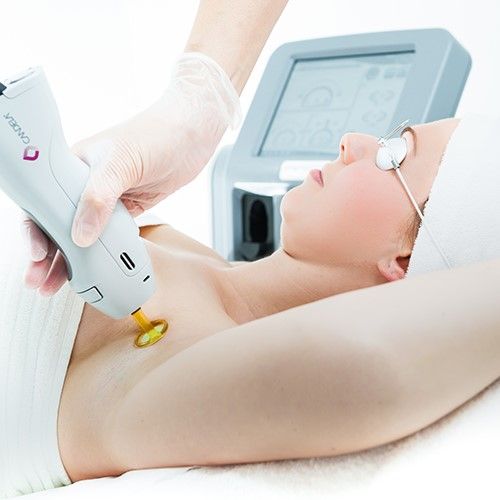
Laser hair removal works by emitting a specific wavelength of light that is absorbed by melanin in the hair shaft and follicle. The absorbed energy converts to heat, which damages the follicle and reduces its ability to produce new hair. Because the treatment is most effective when hair is in the active (anagen) growth phase, several sessions spaced over weeks or months are typically required to treat all hairs in a target area.
Types of devices and light-based options
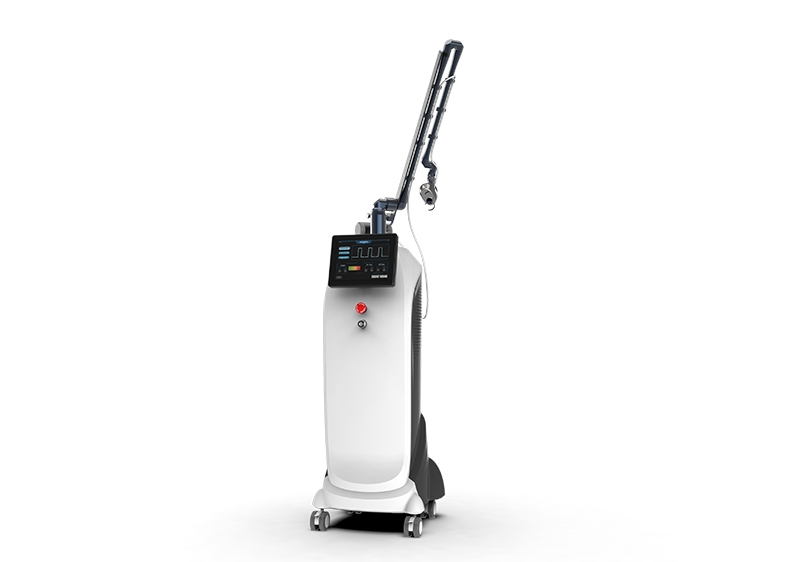
Common device types include diode lasers, alexandrite, and Nd:YAG lasers; intense pulsed light (IPL) devices are a separate category that use broad-spectrum light. Each device has different wavelengths and is chosen based on factors such as skin tone and hair color. Providers may adjust settings for pulse duration and energy to balance efficacy and safety.
Hair growth cycle and treatment timing
Because only hairs in the anagen phase respond well to treatment, scheduling multiple sessions (often 4–8 or more) at intervals of several weeks is standard. The precise number and spacing depend on the treatment area and individual hair growth patterns.
Who is a good candidate
Suitability for laser hair removal depends on skin tone, hair color, medical history, and medications. Historically, the best outcomes were observed in people with light skin and dark hair because of higher contrast between follicle pigment and surrounding skin. Advances such as longer-wavelength lasers and adjusted settings allow safer treatment across a wider range of skin tones, but results still vary.
Contraindications and precautions
Candidates should disclose medications (for example, certain photosensitizing drugs), recent sun exposure or tanning, and medical conditions that affect skin healing. A patch test is often performed on a small area to check for adverse reactions before full treatment begins.
Preparing for treatment and aftercare
Before a session
Pre-treatment guidance commonly includes avoiding sun exposure and tanning products, discontinuing certain medications where advised by a medical professional, and shaving the target area 24–48 hours before treatment so energy is focused on the follicle rather than surface hair. Providers will review expectations, risks, and likely outcomes at consultation.
Aftercare and follow-up
Aftercare usually involves cooling the treated area, applying soothing creams as recommended, avoiding sun exposure, and using sunscreen. Temporary redness, swelling, or pigment changes may occur. Follow-up sessions and occasional maintenance treatments help maintain long-term reduction.
Risks, side effects and safety
Common short-term effects include mild pain or discomfort during treatment, redness, swelling, and temporary pigment changes. Less common complications include blistering, scarring, or paradoxical hypertrichosis (increased hair growth) in treated areas. Risks are reduced when treatments are performed by trained professionals using appropriate equipment and settings.
Regulatory agencies and professional organizations provide safety guidance and resources. For example, the U.S. Food and Drug Administration offers consumer information on light-based hair removal technologies and considerations for choosing a provider. U.S. Food & Drug Administration: Laser Hair Removal
Cost, expected results, and maintenance
Costs vary by region, treatment area size, number of sessions, and provider expertise. Many people see significant and lasting hair reduction rather than absolute permanent removal; some regrowth may occur over time, requiring occasional maintenance sessions. Clinics may offer packages or single-session pricing; comparing credentials and outcome photos can help evaluate value.
Measuring success
Success is typically measured by reduced hair density, slower regrowth, and finer hair texture. Individual results depend on hair color, follicle depth, and hormonal influences. For hormonally driven hair growth (for example, conditions that increase androgen levels), ongoing management may be necessary.
Choosing a provider
Select a clinic or provider with appropriate training, transparent consent and assessment processes, and clear communication about risks and expected outcomes. Licensed medical professionals, certified laser technicians working under medical oversight, and clinics that perform patch tests and document settings and results can offer more consistent care. Local regulations vary, so checking state or national guidelines and verifying credentials is recommended.
Questions to ask at consultation
- Which device will be used and why?
- How many sessions are likely to be needed for the target area?
- What are the potential side effects for the specific skin type?
- Is a patch test performed and is follow-up included in the quoted price?
FAQ
Is laser hair removal permanent?
Laser hair removal often produces long-term hair reduction but is not guaranteed to be permanently hair-free for everyone. Many people experience persistent thinning and reduced growth, while some regrowth can occur over months or years and may require maintenance treatments.
Does laser hair removal work on light or gray hair?
Treatments are generally less effective on very light, red, or gray hair because the laser targets melanin pigment. Alternatives or newer technologies may be discussed with a provider during consultation.
How many sessions are typically needed?
Most treatment plans involve multiple sessions—commonly 4–8—spaced according to the treated area's hair growth cycle. Individual variation may increase or reduce the number of required sessions.
Are there age limits or restrictions?
Age restrictions and consent requirements vary by location. Adolescents are sometimes treated for specific reasons with parental consent and medical assessment; providers usually assess hormonal causes of unwanted hair before initiating a plan.
How to reduce the risk of complications?
Reducing risk involves selecting an experienced provider, following pre- and post-treatment instructions (including sun avoidance), disclosing medications and medical history, and performing a patch test. Reporting unexpected symptoms promptly helps address issues early.
This information summarizes common considerations about laser hair removal. For detailed medical guidance tailored to individual health needs, consult a licensed healthcare professional or dermatology specialist.