Laser Hair Removal Riyadh: Long-Term Benefits, Safety, and Clinic Guide
-

- February 23rd, 2026
- 1,368 views

FREE SEO Topical Map Generator: Find Your Next Content Ideas
Laser hair removal Riyadh is a common cosmetic procedure in the city that offers long-term hair reduction for many people. This guide explains the primary benefits, typical technologies used, safety and regulatory context in Saudi Arabia, what to expect during treatment, and practical tips for choosing a clinic.
Laser hair removal can reduce hair growth and the need for shaving or waxing. Effectiveness depends on hair color, skin type, laser type, number of sessions, and a licensed provider. Clinics in Riyadh follow local health regulations; ask about device type, practitioner credentials, patch testing, and aftercare.
Benefits of laser hair removal Riyadh
Laser hair removal offers several advantages compared with temporary methods such as shaving, waxing, or depilatory creams. Common benefits include:
- Longer-lasting reduction in hair density and thickness — many people experience significant and lasting hair reduction after a course of sessions.
- Reduced ingrown hairs and skin irritation, which can be associated with repeated shaving or waxing.
- Smoother skin texture and less frequent time spent on hair removal maintenance.
- Ability to treat large areas relatively quickly with modern diode or Nd:YAG systems.
How laser hair removal works
Laser hair removal uses specific wavelengths of light to target melanin in hair follicles. Energy is absorbed and converted to heat, which damages follicles and slows future hair growth. Common laser technologies include diode, alexandrite, and Nd:YAG systems; selection depends on skin tone and hair characteristics.
Hair growth cycle and number of sessions
Because lasers are most effective on hair in the active growth (anagen) phase, several sessions spaced weeks apart are typically needed. Most treatment plans range from 6 to 10 sessions, with maintenance sessions occasionally required.
Skin types and laser selection
Skin tones are often described using the Fitzpatrick scale (I–VI). Nd:YAG lasers tend to be safer for darker skin tones, while alexandrite and diode lasers are effective for lighter to medium skin tones. A qualified practitioner will recommend the appropriate device based on a skin assessment and patch test.
Choosing a clinic in Riyadh
Selecting a licensed, experienced clinic is important for safety and outcomes. Consider these factors when evaluating providers in Riyadh:
- Practitioner credentials and training (dermatologist, licensed laser technician under medical supervision).
- Type of laser device and whether the clinic provides patch testing before full treatment.
- Clean clinical setting, clear consent procedures, and documented aftercare instructions.
- Patient reviews and before-and-after photo examples that demonstrate realistic results.
What to expect during and after treatment
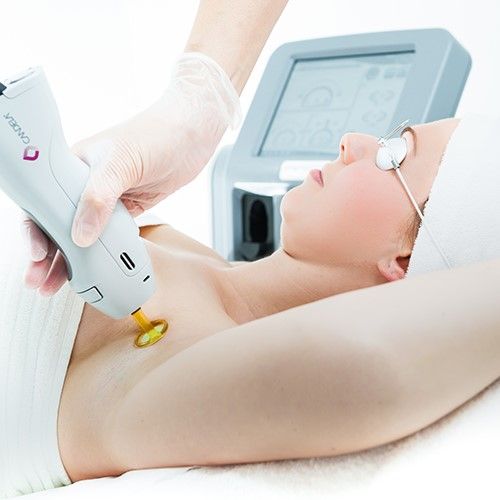
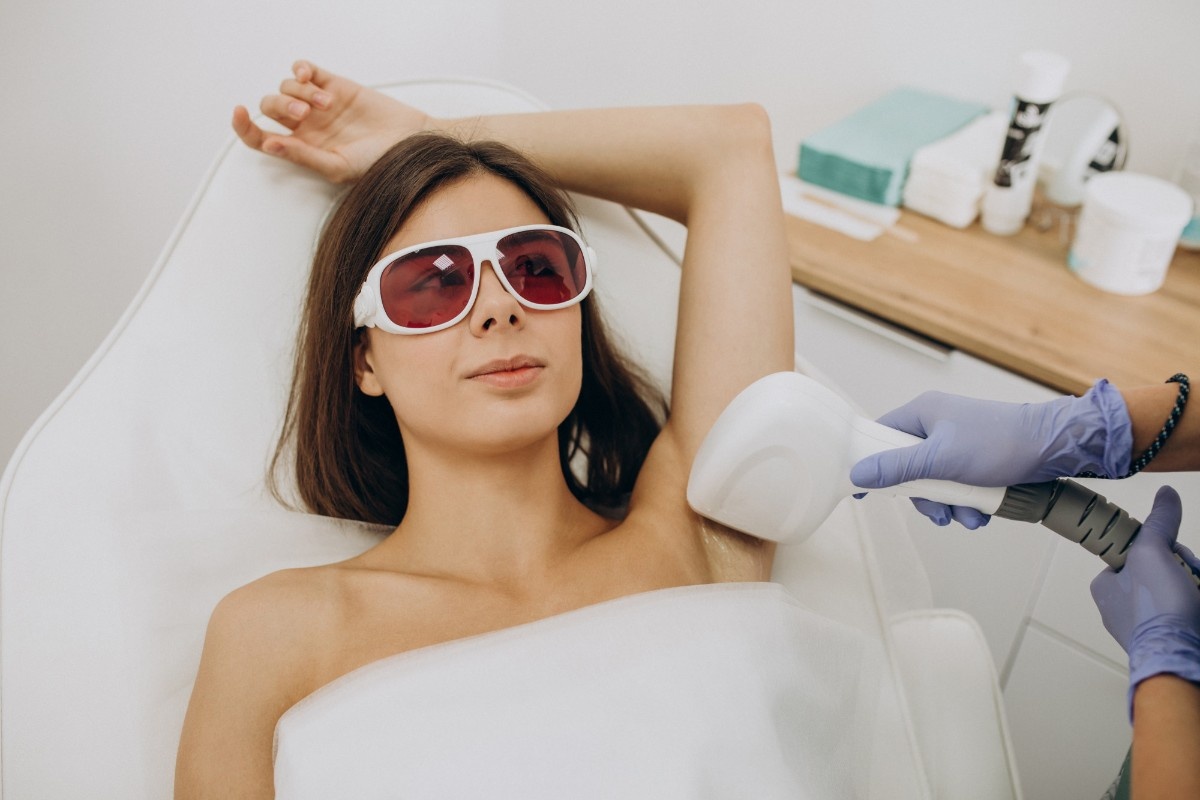
Treatments are typically performed in outpatient clinic rooms. Sessions vary by area treated but often take 10–60 minutes. Protective eyewear is used for both the patient and practitioner. Immediate effects may include mild redness and swelling, which usually subside within hours to a few days.
Pre-treatment preparation
Providers may advise avoiding sun exposure, tanning products, and certain medications that increase photosensitivity. Shaving the area shortly before treatment is often recommended so the laser energy focuses on the follicle rather than surface hair.
Post-treatment care
Aftercare commonly includes sun avoidance, gentle skin care, and following instructions for managing transient irritation. Use of sunscreen on treated areas is frequently recommended to reduce pigmentation changes.
Safety, regulations, and evidence
Laser devices are regulated medical devices. In Saudi Arabia, clinicians should follow national healthcare regulations and device approvals; the Saudi Food and Drug Authority (SFDA) and the Ministry of Health set standards for safety and licensing. Research published in dermatology journals indicates that laser hair removal produces sustained hair reduction for many patients when performed properly, though individual results vary.
For general patient education on lasers and hair removal, consult resources from recognized dermatology organizations such as the American Academy of Dermatology. This material can help explain common risks and expected outcomes but does not replace professional consultation.
Cost considerations and realistic expectations
Costs in Riyadh vary by clinic, treated area, laser type, and number of sessions. Pricing may be quoted per session or as package deals. Expect variation in outcomes based on hair color, density, hormonal influences, and adherence to recommended scheduling. Laser hair removal typically leads to significant hair reduction rather than guaranteed permanent hair elimination for every individual.
Summary checklist before booking
- Confirm practitioner qualifications and licensure.
- Ask about the laser type and suitability for the skin tone.
- Request a patch test and written aftercare instructions.
- Discuss expected number of sessions and pricing structure.
- Check clinic hygiene, reviews, and before/after photos.
Is laser hair removal painful?
Sensation varies by individual and treated area; many people describe brief stinging or snapping sensations. Clinics may offer cooling systems, topical anesthetics, or adjusted settings to improve comfort.
How many sessions are usually needed?
Most treatment plans include multiple sessions spaced several weeks apart to target different hair growth cycles. Typical courses range from six to ten sessions depending on the area and individual response.
Is laser hair removal Riyadh suitable for all skin types?
Laser hair removal can be adapted for many skin types, but device selection and settings must be tailored to reduce risks such as hyperpigmentation. Clients with darker skin tones should seek clinics experienced with Nd:YAG or other appropriate systems and should request a patch test before full treatment.
Can hormonal conditions affect results?
Yes. Conditions that increase hair growth, such as polycystic ovary syndrome (PCOS) or other hormonal imbalances, can influence response to treatment and may require maintenance sessions.
When should a medical consultation be sought?
Seek professional assessment when there is unusual skin disease, active infection, recent tanning, or medications that increase photosensitivity. A licensed practitioner should evaluate risks and contraindications before treatment.