Best Laser Hair Removal Services in Riyadh: Complete Guide to Clinics, Costs, and Safety
-

- February 23rd, 2026
- 1,526 views

FREE SEO Topical Map Generator: Find Your Next Content Ideas
Laser hair removal in Riyadh is an increasingly popular cosmetic service for residents and visitors seeking long-term hair reduction. Clinics in the city offer a range of laser technologies and treatment packages; understanding the options, safety considerations, and local regulations helps achieve reliable results with minimal risk.
- Laser hair removal uses focused light to reduce hair growth. Multiple sessions are usually required.
- Common laser types include diode, alexandrite, and Nd:YAG; selection depends on skin type and hair color.
- Choose licensed clinics with qualified practitioners and proper cooling systems; verify credentials and equipment maintenance.
- Costs vary by area treated, number of sessions, and technology used; expect several sessions spaced weeks apart.
- Follow post-treatment care to reduce risk of complications; consult a licensed professional for personalized guidance.
Laser hair removal in Riyadh: Clinics, regulations, and what to expect
Most clinics in Riyadh offer consultation, test patching, and treatment planning before full procedures. During the consultation, technicians or medical staff assess skin type using the Fitzpatrick scale, hair thickness, and treatment history to recommend a laser system—common options include diode, alexandrite, and Nd:YAG. Regulations for medical devices and clinic operations are managed locally by health authorities and professional licensing bodies; patients may review licensing information before booking. For general regulatory guidance, visit the Saudi Ministry of Health website: moh.gov.sa.
How the procedure works and expected results
Treatment mechanism
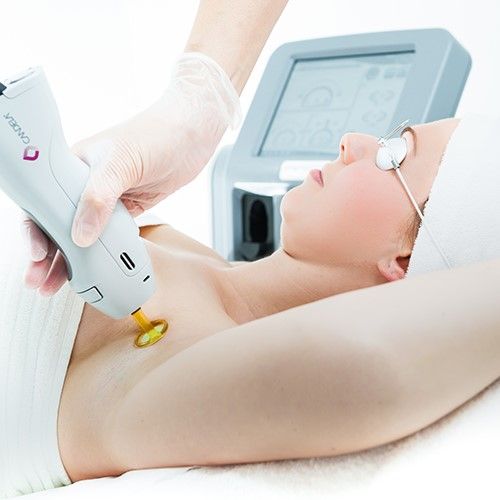
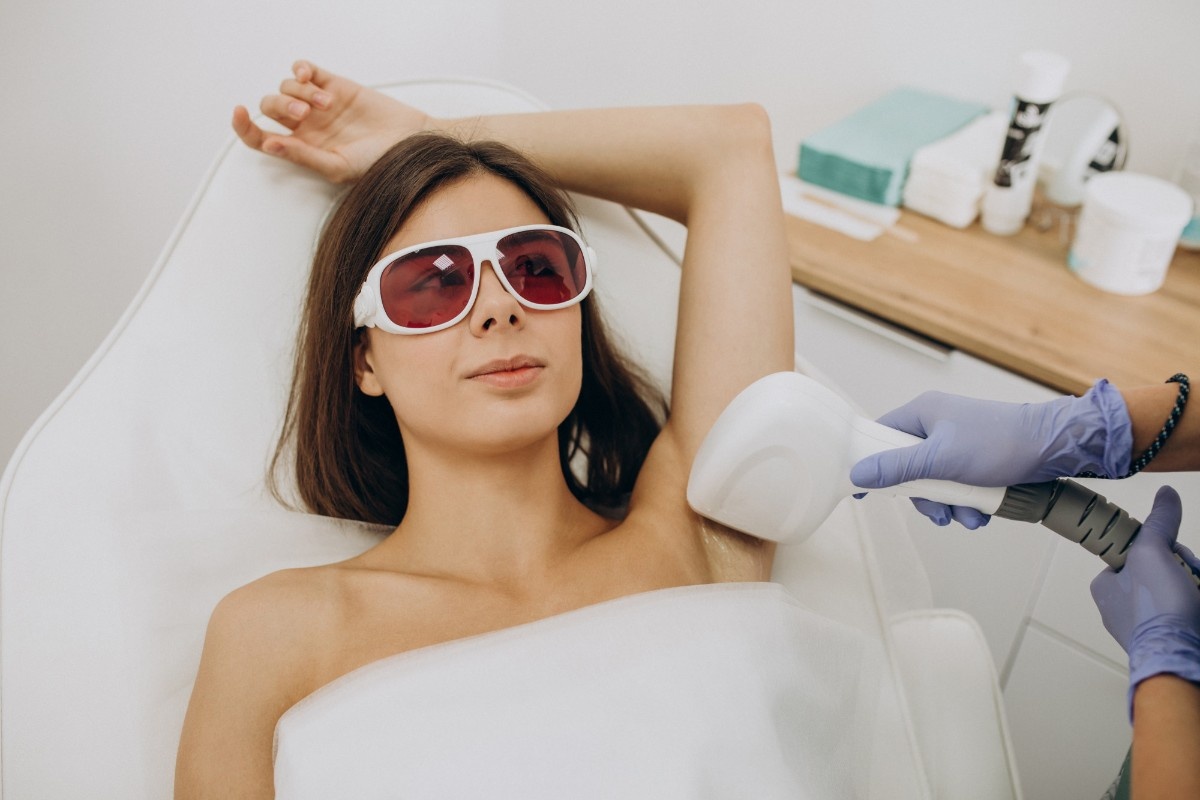
Lasers target melanin in hair follicles, converting light to heat to impair future hair growth. Because growth occurs in cycles, multiple sessions spaced several weeks apart are required to treat hair in different phases.
Typical timeline and results
Initial treatments commonly range from 6 to 10 sessions for substantial long-term reduction, with maintenance sessions possible. Results depend on hair color, thickness, skin tone, hormonal factors, and device type. Lighter hair and certain skin types may respond less predictably; practitioners may recommend alternative methods or adjunctive therapies when appropriate.
Choosing a clinic and qualified practitioner
Credentials and equipment
Prefer clinics that list practitioner qualifications (dermatologists, licensed medical laser operators) and demonstrate device maintenance logs. Check for clinics that offer epidermal cooling (contact cooling, cryogen spray, or chilled air) and adjustable fluence settings to match skin type. Avoid providers who make guaranteed promises of permanent hair removal—industry terms typically describe "permanent hair reduction."
Consultation and patch test
A thorough consultation should include medical history, medication review, and a small patch test to verify skin response. Inform the clinic about recent sun exposure, topical products (like retinoids), and any prior laser or light-based treatments.
Types of lasers and suitability
Alexandrite, diode, and Nd:YAG
Alexandrite (755 nm) is effective on light-to-medium skin tones with dark hair. Diode lasers (800–810 nm) are widely used for their balance of depth and melanin absorption. Nd:YAG (1064 nm) penetrates deeper and is safer for darker skin tones because it is less absorbed by epidermal melanin. Many modern clinics offer multiple platforms and select settings based on individual assessment.
Device safety and standards
Devices should be cleared or approved by appropriate regulatory authorities in the region. Practitioners must follow manufacturer protocols for energy settings and protective eyewear. Proper room setup and infection control are standard expectations in licensed facilities.
Costs, payment, and expectations
Price factors
Cost depends on treatment area size (upper lip vs. full legs), number of sessions purchased, technology used, and clinic reputation. Many clinics offer package pricing for multiple sessions. Request a written estimate that includes potential additional fees for follow-ups or touch-ups.
Realistic expectations
Laser hair removal reduces hair density and slows regrowth, but complete, permanent hair elimination is uncommon. Hormonal influences (e.g., thyroid conditions, polycystic ovary syndrome) can affect outcomes; medical evaluation may be recommended for unexpected regrowth.
Preparation and aftercare
Before treatment
Follow pre-treatment guidance: avoid sun exposure, discontinue certain topical products if advised, and shave the area as instructed so the laser energy reaches follicles rather than surface hair. Avoid waxing or plucking for the recommended period prior to sessions.
Aftercare and common side effects
Common temporary effects include redness, mild swelling, and follicular edema. Apply recommended soothing agents, avoid heat exposures (hot baths, saunas), and use sun protection on treated areas. Report blistering, persistent discoloration, or signs of infection to the clinic promptly.
Safety considerations and red flags
When to seek medical advice
Seek consultation if experiencing severe pain, blistering, extensive hyperpigmentation or hypopigmentation, or signs of infection. Clinics that encourage extremely aggressive settings without a patch test or that lack clear medical oversight should be avoided.
Regulatory and professional guidance
Consult licensed medical professionals and consider guidance from dermatology societies and local health authorities. Training standards and device approvals vary by country; confirming credentials and device certifications adds a layer of protection.
FAQ
Is laser hair removal in Riyadh safe?
When performed by licensed practitioners using appropriate devices and settings, laser hair removal is generally considered safe. Safety improves with thorough consultation, patch testing, proper cooling, and adherence to pre- and post-treatment instructions. Report any unexpected reactions to the clinic.
How many sessions are typically needed?
Most individuals require multiple sessions—commonly six to ten—spaced several weeks apart. The exact number depends on hair growth cycles, hair thickness, and individual response.
Will laser hair removal work on all skin tones?
Modern lasers can treat a wide range of skin tones. Nd:YAG lasers are often preferred for darker skin due to reduced epidermal melanin absorption, while alexandrite and diode lasers may be used for lighter skin tones. A qualified practitioner will recommend the safest device for each skin type.
How should a clinic be selected in Riyadh?
Choose a clinic with licensed practitioners, clear equipment information, and documented safety procedures. Verify practitioner credentials and read patient reviews. A transparent consultation, patch test, and written treatment plan are useful indicators of quality care.
What are common side effects and how are they managed?
Temporary redness, swelling, and follicular irritation are common. Management typically includes cold compresses, topical soothing products recommended by the provider, sun avoidance, and follow-up if symptoms persist or worsen.