Best Laser Hair Removal Options for Sensitive Skin in Dubai
-

- February 23rd, 2026
- 1,467 views
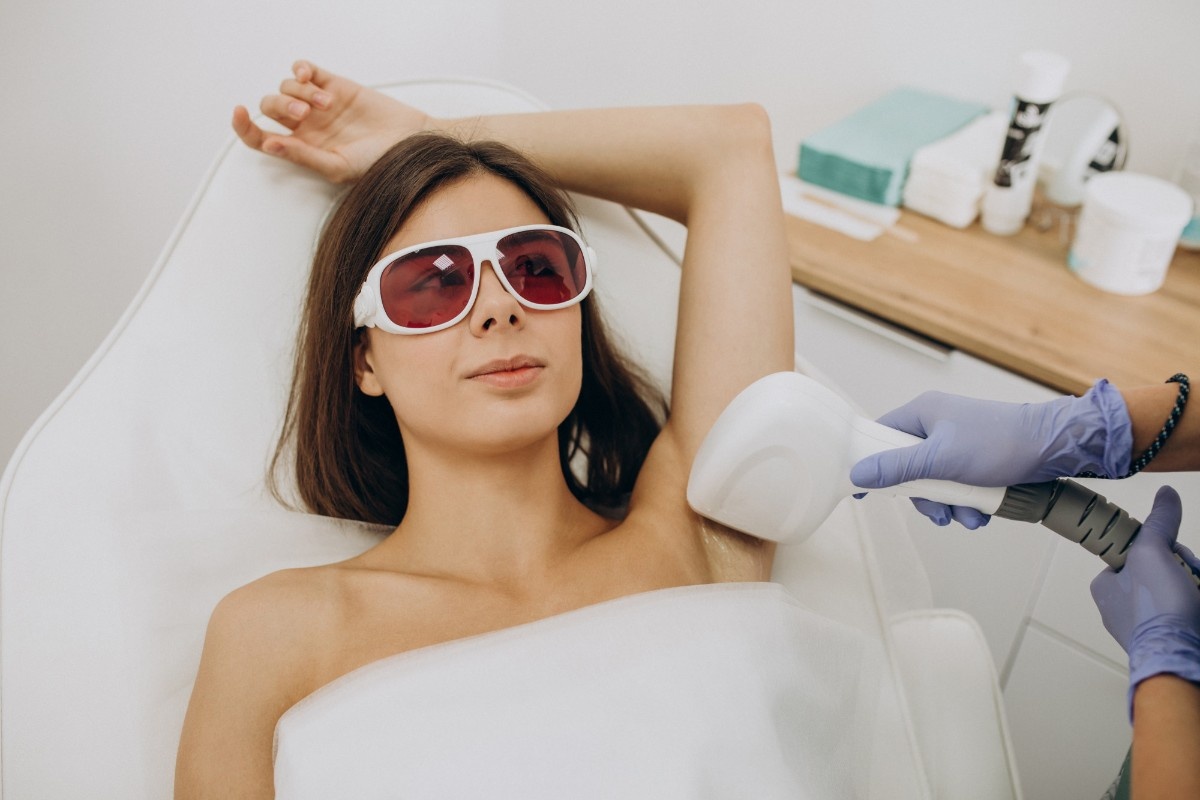
Laser hair removal for sensitive skin requires careful selection of treatment type, settings and clinical expertise to reduce irritation and pigment changes. In Dubai, clinics offer a range of laser technologies and protocols designed to suit different skin tones and reactivity; understanding options and safety considerations helps people choose the right approach.
- Several laser types (Nd:YAG, diode, alexandrite) and IPL differ in wavelength and suitability for sensitive or pigmented skin.
- Patch testing, cooling systems and lower fluence settings are common strategies to reduce adverse reactions.
- Choose licensed clinics that follow local regulation and perform medical consultations and patch tests.
Laser hair removal for sensitive skin: common treatment types available in Dubai
Laser platforms used in Dubai typically include Nd:YAG, diode and alexandrite lasers, plus intense pulsed light (IPL) devices. Each option interacts differently with melanin and tissue depth, which influences suitability for sensitive skin and darker phototypes (Fitzpatrick scales IV–VI).
Nd:YAG (1064 nm)
Nd:YAG lasers have a longer wavelength that penetrates deeper and is absorbed less by epidermal melanin, making them a common choice for darker or more reactive skin. They are often recommended when sensitivity or risk of hyperpigmentation is a concern, but treatment settings and cooling remain important.
Diode lasers
Diode devices operate at intermediate wavelengths and are widely used for hair removal. Many modern diode systems include adjustable pulse durations and integrated cooling to improve comfort and reduce surface heat, which can benefit sensitive or thin skin.
Alexandrite and IPL
Alexandrite lasers are effective for lighter skin tones but carry a higher risk of epidermal irritation or pigment changes on darker or sensitive skin. IPL is a broadband light source rather than a true laser; results and tolerability vary widely depending on device quality and operator skill.
How lasers are adapted for sensitive skin
Cooling and contact systems
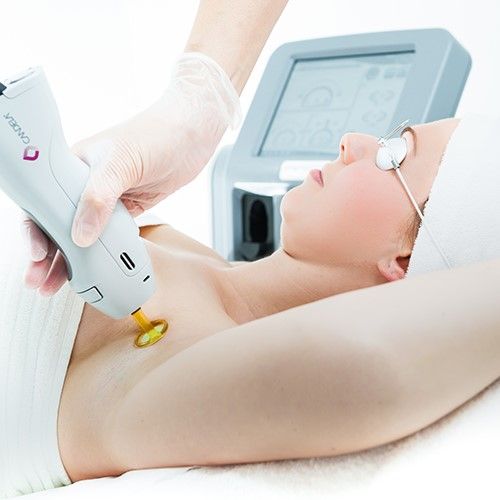
Skin cooling—via contact chillers, cryogen sprays or continuous cooling systems—reduces surface temperature and immediate redness. Clinics commonly use these systems to protect sensitive epidermis during sessions.
Lower fluence and longer pulse duration
Reducing energy (fluence) and increasing pulse duration can lower peak heat while still affecting hair follicles. This trade-off may require more treatment sessions but can reduce irritation and post-inflammatory hyperpigmentation.
Patch testing and staged treatment
Performing a small-area patch test at least 48–72 hours before full treatment helps identify immediate reactions. Staging treatments—beginning with conservative settings and gradually adjusting—allows monitoring of skin response.
Choosing a clinic in Dubai
Select clinics that provide a medical consultation, pre-treatment evaluation for medications or photosensitive conditions, and documented patch testing. Licensed practitioners, a clear consent process, and access to post-treatment follow-up are important quality indicators.
Regulatory oversight and licensing requirements are maintained locally; for the most current clinic standards and licensing information, consult the Dubai Health Authority guidance: Dubai Health Authority.
Qualifications and equipment
Look for clinics with certified clinicians (dermatologists or trained laser practitioners) and modern devices with adjustable parameters and cooling. Clinics should maintain records of settings used and provide individualized treatment plans.
Preparing for treatment and aftercare
Pre-treatment considerations
Common pre-treatment steps include avoiding sun exposure, stopping certain topical products (for example, retinoids) as advised during consultation, and disclosing medications that increase photosensitivity. A medical history helps identify conditions that could affect safety.
Aftercare to reduce irritation
Post-treatment recommendations generally focus on gentle skin care: cool compresses for transient redness, sunscreen to prevent pigment changes, and avoidance of aggressive exfoliation until the skin has healed. Follow-up appointments allow monitoring for delayed reactions.
Potential risks, rare complications and when to consult a dermatologist
Expected short-term effects include redness, mild swelling and temporary sensitivity. Less common complications include blistering, infection, hypo- or hyperpigmentation and scarring. People with active skin infections, recent tanning or certain dermatologic conditions should delay treatment pending specialist advice. When reactions persist or worsen, consult a licensed dermatologist or the clinic’s medical lead.
Special populations
Pregnancy, certain medications and photosensitive disorders can affect candidacy for laser procedures. Medical assessment is necessary to determine whether to proceed.
Cost, session frequency and realistic expectations
Number of sessions varies by hair type, growth cycles and laser type; multiple sessions spaced weeks apart are common. Results vary—reduced hair density and slower growth are typical outcomes rather than guaranteed permanent removal. Clinics should provide a realistic plan including expected number of sessions and maintenance needs.
Evidence and guidance sources
Clinical guidelines from dermatology societies (for example, the American Academy of Dermatology and national dermatology associations) discuss laser indications, risks and patient selection. Local regulatory bodies set licensing and safety standards for clinics.
Frequently Asked Questions
Is laser hair removal for sensitive skin safe?
Laser hair removal can be safe for sensitive skin when performed by trained staff using appropriate device settings, cooling and a prior patch test. Individual risk depends on skin tone, hair color, medical history and recent sun exposure. A medical consultation helps assess suitability and minimize risks.
Which laser is best for darker or reactive skin tones?
Nd:YAG lasers are often preferred for darker or more reactive skin because the longer wavelength is less absorbed by the epidermis. Clinic experience and device parameters remain critical factors.
How should the skin be prepared before a session?
Preparation commonly includes avoiding sun exposure, not plucking or waxing for several weeks, shaving the area before treatment if instructed, and disclosing medications and skin conditions to the provider.
How many sessions will be needed to see a difference?
Typical treatment plans involve multiple sessions spaced several weeks apart to target successive hair growth cycles. Hair reduction is gradual; the total number of sessions depends on hair thickness, color and the laser system used.
When should a medical specialist be consulted after treatment?
Consult a dermatologist or the treating clinic if redness, blistering, persistent pain, signs of infection, or pigment changes do not improve within a few days to weeks, or if there is concern about an adverse reaction.
Note: This article is informational and does not replace personalized medical advice from a licensed healthcare professional.