Laser Tattoo Removal Guide: Safe Steps to a Clean Slate
-

- March 19th, 2026
- 621 views
Introduction
Laser tattoo removal is the most common method for fading or removing unwanted tattoos. This guide explains how laser tattoo removal works, realistic expectations for sessions and costs, safety considerations, and practical aftercare to help achieve the best results with the lowest risk of complications.
Laser tattoo removal breaks ink particles into smaller fragments so the immune system can clear them. Expect multiple sessions spaced weeks apart, follow strict aftercare, and plan for variation by ink color, age, and skin type.
Detected intent: Informational
Laser tattoo removal: What it is and how it works
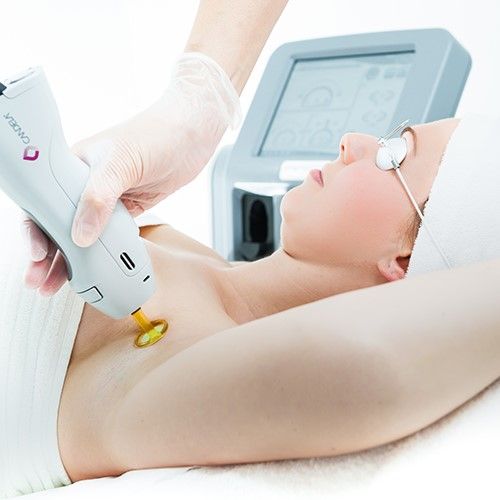
Treatments use high-energy light pulses to target tattoo pigment deep in the dermis. Common technologies include Q-switched and picosecond lasers. The laser wavelength is selected to match ink color—different wavelengths are absorbed by different pigments. As ink fragments, the body’s immune cells remove particles over days and weeks.
Key terms and related concepts
- Q-switched laser — established technology for many ink colors
- Picosecond laser — shorter pulses that can be more effective on stubborn pigments
- Pulsed-dye & wavelengths — determine which ink colors are treatable
- Dermis, pigment, hypopigmentation, hypertrophic scarring — common clinical terms
Who is a good candidate and what to expect
Ideal candidates do not have active skin infections, uncontrolled medical conditions that impair healing, or recent sunburn in the area. Results depend on ink color (black and dark blue respond best), tattoo age, depth of pigment, and skin tone. Multiple sessions are typical; complete removal is not guaranteed.
Session timeline and expectations
- Average sessions: 3–10, spaced 6–12 weeks apart
- Visible fading often begins after 1–3 treatments
- Final results may take 6–18 months to realize, as the immune system clears fragments
Tattoo removal cost and logistics
Costs vary widely by region, clinic, tattoo size and complexity. For budgeting, use long-tail queries like tattoo removal cost per session when comparing estimates. Many clinics offer per-session pricing or package pricing for full treatment courses.
Typical cost factors
- Tattoo size and color complexity
- Number of sessions needed
- Laser technology used (picosecond treatments can be more expensive)
- Provider experience and clinic location
Laser tattoo removal aftercare and recovery
Proper laser tattoo removal aftercare reduces complications and improves outcomes. Protect the treated area from sun exposure, keep it clean, and follow wound-care instructions from the provider. For aftercare, use non-irritating dressings and avoid picking scabs.
Aftercare checklist (CLEAR Aftercare Checklist)
Named framework: CLEAR Aftercare Checklist (Consultation, Laser plan, Expectation setting, Aftercare steps, Recovery monitoring)
- Consultation — Confirm skin type, medical history, and medications that affect healing.
- Laser plan — Record wavelengths, session interval, and expected number of sessions.
- Expectation setting — Document potential outcomes and risks (scarring, pigment change).
- Aftercare steps — Cold compresses initially, gentle cleansing, topical barrier ointment as directed.
- Recovery monitoring — Schedule follow-ups and photo documentation to track progress.
Common mistakes and trade-offs
Choosing speed over safety is a common mistake. Too-frequent treatments increase the risk of scarring and hypopigmentation. Trade-offs often include:
- Faster results with higher-powered pulses can increase complication risk.
- Multiple specialized wavelengths increase clearance but raise cost.
- Full removal attempts on darker skin may increase hypopigmentation risk—conservative pacing reduces that risk.
Common mistakes to avoid
- Skipping a medical consult or patch test
- Excessive sun exposure before or after sessions
- Underestimating the number of sessions needed
Real-world example
Scenario: A 28-year-old with a 4" black wrist tattoo seeks removal. After an initial consult, the plan uses a Q-switched or picosecond device with sessions every 8 weeks. After four sessions the tattoo shows 60–80% fading; two additional sessions are scheduled. Total expected cost is the per-session fee multiplied by six, with adjustments for touch-ups. Aftercare includes 2 weeks of wound care per session and sun avoidance for three months.
Practical tips
- Bring healed photos and consent records from previous tattoo work to the consultation.
- Compare expected results for different wavelengths and ask for provider before/after images.
- Plan appointments during cooler months or when sun exposure can be minimized.
- Maintain realistic expectations—some pigments (greens, yellows, light blues) respond poorly and may require more sessions.
Core cluster questions
- How many laser tattoo removal sessions are usually required?
- Which tattoo colors are the hardest to remove with lasers?
- What is the typical recovery timeline after a laser session?
- How does skin tone affect laser tattoo removal results?
- What alternatives exist if laser removal is not fully effective?
For clinical guidance and patient resources, consult reputable dermatology sources such as the American Academy of Dermatology for evidence-based summaries and safety notes: American Academy of Dermatology — Tattoo Removal.
Choosing a provider and safety considerations
Select a clinic that documents device type, wavelengths, test spots, and uses medical-grade settings. Confirm protocols for adverse reactions and ensure clear consent that covers risks, expected outcomes, and possible need for additional sessions.
When not to proceed
- Active infection or open wounds at the treatment site
- Recent tanning or sunburn in the area
- Certain medications that increase photosensitivity — check with a clinician first
Conclusion
Laser tattoo removal can deliver a clean slate for many people when approached with realistic expectations, an appropriate treatment plan, and careful aftercare. Use the CLEAR Aftercare Checklist to prepare and monitor progress, consult a qualified provider, and prioritize safety over speed.
How does laser tattoo removal work?
Lasers deliver short, intense pulses that fragment ink particles, which are removed by the immune system over weeks and months. Multiple sessions are typically needed for significant fading.
Is laser tattoo removal painful?
Discomfort varies by individual and location; many providers offer topical anesthetics or cooling devices. Pain management should be discussed before treatment.
How long between laser tattoo removal sessions?
Most providers recommend 6–12 weeks between sessions to allow the body time to clear ink fragments and to reduce the risk of adverse effects.
Can tattoos be fully removed without scarring?
Complete removal without any scarring is not guaranteed. The risk of scarring and pigment changes depends on treatment aggressiveness, skin type, and wound care. Conservative pacing and proper aftercare reduce risk.
How much does laser tattoo removal cost per session?
Costs vary widely; small tattoos may be less per session, while large or multicolored tattoos require higher fees. Request a detailed estimate during consultation and factor in the expected number of sessions.