How a Lead Generation Call Center Boosts Qualified Leads and Conversions
-

- February 23rd, 2026
- 1,470 views
A lead generation call center can be a strategic channel for finding and qualifying prospects, improving conversion rates, and supporting a sales pipeline. This article explains how a lead generation call center operates, the common strategies and technologies it uses, compliance considerations, and how to measure results for long-term success.
- Lead generation call centers use outbound and inbound voice channels, data-driven lists, and scripting to produce qualified leads.
- Integration with CRM, call tracking, and analytics is essential to measure conversion and cost-per-lead.
- Compliance with telemarketing rules, consumer privacy laws, and recording regulations is required; regulators such as the FTC and FCC set relevant standards.
- Key KPIs include contact rate, lead-to-opportunity rate, conversion rate, and cost per lead.
What a lead generation call center does
Lead generation call centers focus on creating interest and qualifying prospects for a sales organization. Activities typically include list research and management, outbound prospecting calls, inbound lead response, appointment setting, and basic qualification against predefined criteria. Teams may support both B2B and B2C markets and coordinate with digital channels like email and web forms for multichannel lead generation.
Outbound calling and scripting
Outbound efforts often use segmented contact lists, tailored scripts, and trained agents to capture prospect intent and qualifying details. Scripts are designed to prompt relevant questions that map to a client’s buyer persona, while quality assurance processes help maintain consistent messaging.
Inbound lead response
Inbound call teams respond to inquiries from ads, web forms, or marketing campaigns. Fast response times and consistent intake forms improve lead quality and reduce lead decay. Integration with marketing automation and CRM systems is important to ensure leads are routed to the right sales resource.
Lead generation call center services and strategies
Services vary by provider but commonly include list enrichment, multichannel outreach (voice, SMS where permitted, and email), appointment setting, lead qualification, and lead nurturing. Strategies combine human interaction with automation to scale outreach while maintaining personalization.
Lead scoring and qualification
Lead scoring models assign value to demographic, firmographic, and behavioral attributes to prioritize follow-up. Qualification frameworks such as BANT (budget, authority, need, timeline) or customized criteria help agents determine whether a contact meets sales-ready thresholds.
Multichannel coordination
Successful programs coordinate phone outreach with digital touchpoints. For example, a caller may reference a recent content download or ad click, or follow a call with an automated email that includes next steps. This alignment improves the customer experience and increases conversion likelihood.
Technology and integrations
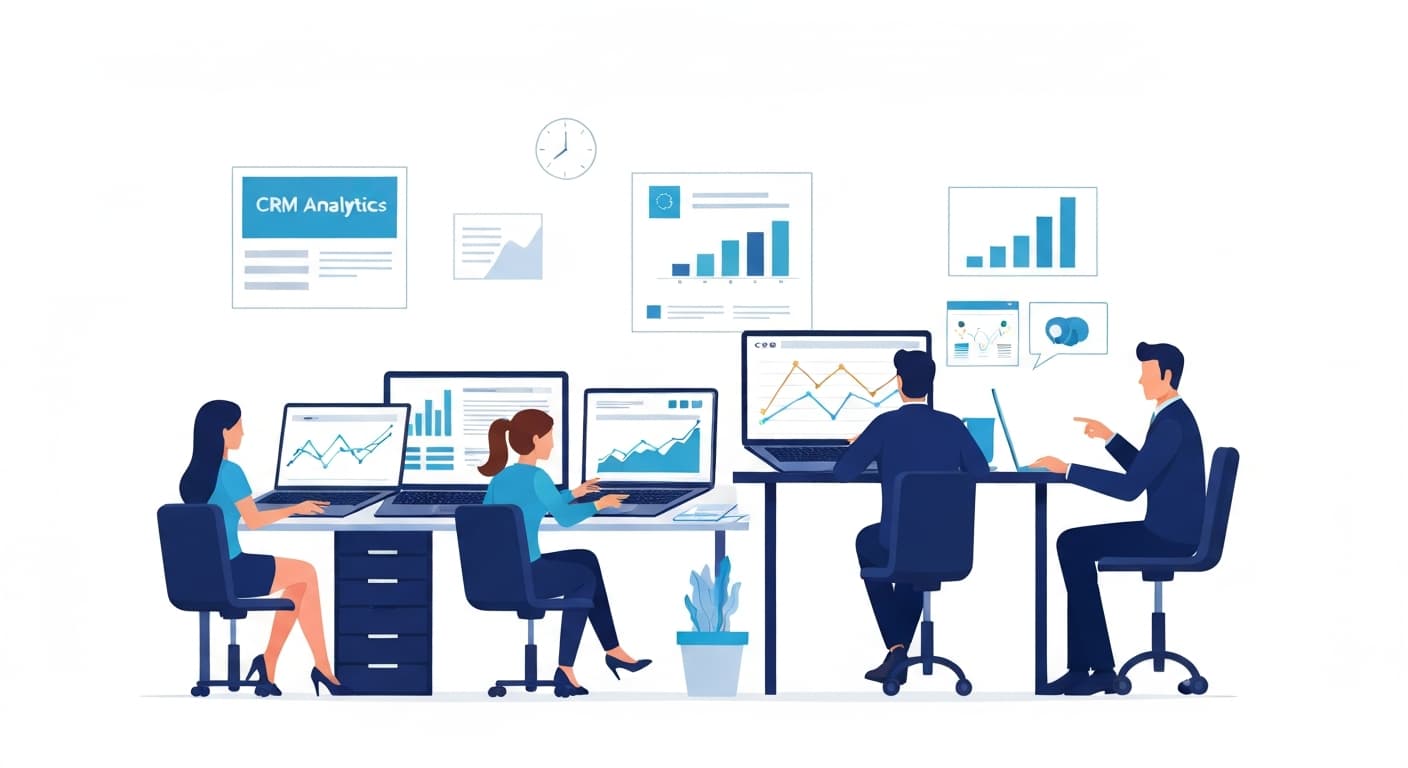
Technology underpins scale and measurement. Core components include predictive or progressive dialers, call recording, automatic call distribution (ACD), CRM integration, call analytics, and call tracking. Data integration between the call center and CRM ensures accurate attribution across the marketing and sales funnel.
CRM and data hygiene
Real-time CRM updates prevent duplicate outreach and help sales teams prioritize hot leads. Regular data hygiene—removing outdated contacts and validating phone numbers—improves contact rates and protects sender reputation.
Call tracking and attribution
Call tracking assigns unique phone numbers to campaigns, enabling marketers to attribute leads to specific channels. Analytics dashboards report on contact rates, conversion funnels, average handle time, and revenue per lead.
Compliance, privacy, and industry standards
Call centers must follow applicable telemarketing rules and consumer protection laws. In the United States, the Federal Trade Commission (FTC) enforces the Telemarketing Sales Rule, and the Federal Communications Commission (FCC) administers the Telephone Consumer Protection Act (TCPA). Organizations should maintain do-not-call lists, obtain required consents for automated contacts, and follow local data privacy regulations such as state privacy laws or international frameworks where relevant. For official guidance on telemarketing rules, consult the FTC resource on telemarketing compliance provided by the FTC.
Recordkeeping and quality assurance
Accurate recordkeeping of consent, call outcomes, and scripts supports audits and dispute resolution. Quality assurance programs that sample calls and measure agent adherence to scripts and compliance protocols help reduce risk.
Measuring performance and ROI
Clear KPIs guide optimization and budgeting. Common metrics include contact rate (contacts per attempted call), lead conversion rate (qualified leads per contact), appointment rate, cost per lead, conversion to closed sale, and time-to-conversion. Attribution models that link calls to marketing campaigns enable calculation of customer acquisition cost (CAC) and lifetime value (LTV).
Testing and continuous improvement
A/B testing of scripts, call times, and follow-up sequences helps identify higher-performing approaches. Regular review cycles, agent coaching, and data-driven adjustments maintain improvement over time.
Choosing the right approach
Deciding between an in-house team and an outsourced call center depends on budget, expertise, and control requirements. In-house teams offer direct oversight and closer alignment with sales, while outsourced providers can scale quickly and often provide specialized technology and compliance expertise. Contract terms should clarify performance guarantees, data handling, security standards, and reporting cadence.
Vendor evaluation checklist
Evaluate providers on experience in the target vertical, technology stack and CRM compatibility, compliance programs, data security certifications, transparent pricing, and sample performance metrics. References and anonymized case studies can provide additional context.
Final considerations
Long-term success with a lead generation call center requires alignment between marketing and sales, robust data practices, and ongoing attention to regulatory requirements. Prioritizing qualified leads and measurement helps maximize the return on outreach investment.
Frequently asked questions
What is a lead generation call center?
A lead generation call center is a team or service that uses phone outreach and related channels to identify, contact, and qualify potential customers for a business. These centers may perform outbound prospecting, inbound lead intake, appointment setting, and basic qualification tasks that feed the sales pipeline.
How is success measured in a lead generation call center?
Success metrics include contact rate, qualified leads per hour or campaign, appointment set rate, conversion rate to sale, cost per lead, and contribution to revenue. Reporting should connect calls to downstream sales outcomes for clear ROI assessment.
Are there legal restrictions on calling consumers?
Yes. Telemarketing and consumer-contact rules vary by jurisdiction. In the U.S., regulations from the FTC and FCC address telemarketing practices and consent for automated calls and messages. Local privacy laws also affect how personal data is collected and used. Compliance programs are essential to reduce legal risk.
Can a lead generation call center integrate with existing CRM systems?
Most modern call centers support integration with common CRM platforms via APIs, enabling real-time lead updates, call logging, and seamless routing to sales teams. Confirm integration options and data mapping during vendor selection.