Lipo Abdominoplasty Explained: Benefits, Recovery, and Choosing a Surgeon
-
- Published Updated
- 1,729 views

Lipo abdominoplasty is a combined surgical approach that merges liposuction with an abdominoplasty (tummy tuck) to address both excess fat and skin while improving abdominal contour and muscle support. This article explains how the procedure works, who may be a candidate, typical recovery stages, potential risks, and factors to consider when selecting a qualified surgeon.
- Lipo abdominoplasty combines liposuction and traditional abdominoplasty to treat excess fat, loose skin, and abdominal muscle separation.
- Suitable candidates are generally adults in good health with stable weight and realistic expectations.
- Recovery usually involves several weeks of progressive activity restrictions and wearing compression garments.
- Risks include bleeding, infection, seroma, scarring, and changes in sensation; careful patient selection and surgeon experience reduce risks.
What is lipo abdominoplasty?
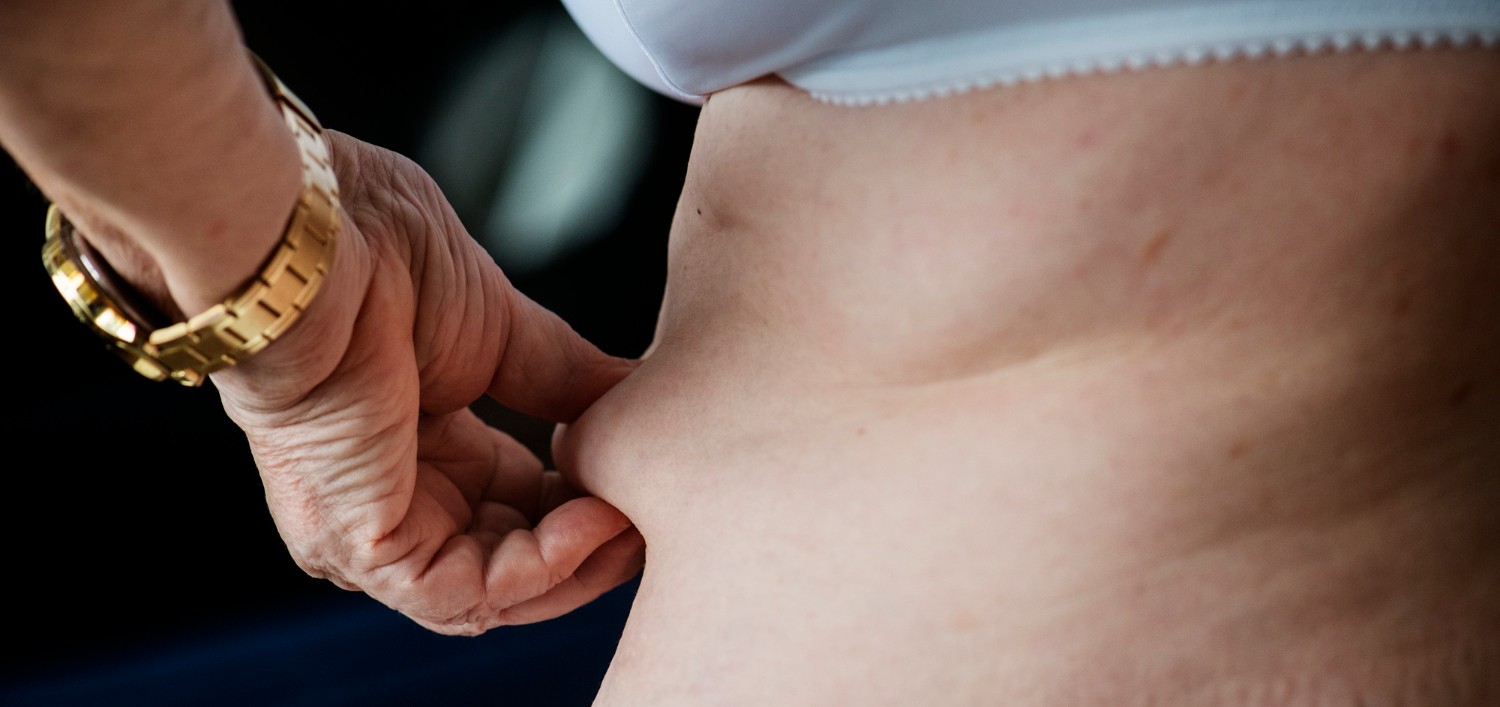
Lipo abdominoplasty refers to a hybrid surgical technique that pairs liposuction with full or mini abdominoplasty (tummy tuck) to remove localized fat deposits while excising redundant skin and tightening the abdominal wall. Abdominoplasty (abdominal contour surgery) often includes muscle plication to address diastasis recti (separation of the abdominal muscles) and repositioning of the umbilicus. Liposuction contours adjacent areas such as the flanks to improve overall proportion.
Benefits and expected outcomes
Improved contour and proportion
Combining liposuction with skin excision can produce a smoother, more proportional abdominal silhouette than either technique alone in appropriately selected patients. The approach targets subcutaneous fat, lax skin, and muscle laxity simultaneously.
Functional improvements
When muscle plication is performed, some patients notice improved core strength and posture. Results vary and depend on baseline muscle tone and adherence to postoperative activity guidance.
Who may be a candidate?
Ideal candidates are adults with stabilized body weight, non-smokers or those willing to stop smoking before and after surgery, and individuals without medical conditions that increase surgical risk. Candidates should have realistic expectations and understand that the procedure is not a substitute for weight loss or healthy lifestyle changes.
Procedure overview
Preoperative planning
Preoperative evaluation typically includes medical history, physical exam, and discussion of goals. Surgeons evaluate skin quality, fat distribution, extent of muscle separation, and overall medical fitness for anesthesia. Smoking cessation and optimization of medical conditions are usually required.
Surgical steps
The operation commonly begins with targeted liposuction to contour flanks and the upper abdomen. Next, a skin incision is made for abdominoplasty, excess skin is excised, and muscle plication is performed if needed. The umbilicus may be repositioned. Drains may be placed depending on surgeon preference and intraoperative findings.
Recovery and aftercare
Immediate postoperative period
Expect swelling, bruising, and discomfort managed with pain control and compression garments. Activity restrictions are common during the first 2–6 weeks. Walking soon after surgery reduces risk of blood clots, but strenuous exercise and heavy lifting are avoided for a longer period.
Follow-up and long-term
Follow-up visits monitor wound healing and complications such as seroma or infection. Scars typically fade over months to a year; scar care and sun protection are recommended. Final contour results may take several months as swelling resolves.
Risks, complications, and safety considerations
Possible complications include bleeding, infection, seroma (fluid collection), delayed wound healing, unfavorable scarring, asymmetry, and sensory changes. Major complications such as thromboembolism are rare but serious. Device- and technique-related safety is overseen by regulators, and evidence-based practice is recommended. Consultation with a board-certified plastic surgeon and review of published guidance from professional societies inform risk minimization.
How to choose a qualified surgeon
Look for a surgeon with certification by an appropriate national board in plastic surgery, experience performing combined procedures, and a record of facility accreditation for operating rooms. Before-and-after photos, discussion of complication rates, and a clear informed-consent process are important. Verify hospital privileges and ask about perioperative protocols such as thrombosis prevention and infection control.
Evidence, guidelines, and resources
Professional societies and regulatory agencies publish guidance on cosmetic and reconstructive procedures, safety standards, and device approvals. For general patient resources and practice guidelines, refer to the American Society of Plastic Surgeons: American Society of Plastic Surgeons. Research literature in plastic and reconstructive surgery journals provides data on outcomes and complication rates.
Cost and insurance considerations
Costs vary widely depending on geographic location, surgeon experience, facility fees, anesthesia, and extent of surgery. Cosmetic procedures are typically not covered by insurance. When abdominoplasty addresses functionally limiting conditions (for example, repair of severe diastasis with documented functional impairment), partial coverage may be possible; verify with the insurer and obtain preauthorization when applicable.
Is lipo abdominoplasty right for me?
Determining whether lipo abdominoplasty is appropriate requires a medical evaluation by a qualified plastic surgeon. Individual health status, goals, and risk tolerance influence candidacy. This article provides general information and is not a substitute for professional medical advice.
How long is recovery after lipo abdominoplasty?
Initial recovery typically takes 2–4 weeks for basic activities, with more complete recovery and return to exercise often at 6–12 weeks. Swelling may persist for several months. Follow the surgeon's postoperative plan to reduce complication risk.
What are the most common complications to watch for?
Common complications include wound healing problems, seroma, hematoma, infection, and changes in skin sensation. Prompt follow-up with the surgical team is important if concerns arise, such as increasing pain, fever, or wound drainage.
How should a surgeon explain expected scars and outcomes?
A surgeon should provide realistic expectations about scar location and appearance, show representative before-and-after photos, and discuss strategies for scar management. Long-term outcomes depend on healing, skin quality, and adherence to postoperative instructions.