Local Mold Testing Near Me: How to Identify and Address Indoor Mold Hazards
-

- February 23rd, 2026
- 1,251 views
Mold testing near me is often searched by homeowners and property managers concerned about visible growth, persistent odors, or unexplained health symptoms. A targeted inspection and appropriate sampling can help identify potential hazards, clarify whether a problem exists, and guide remediation or moisture-control measures.
- Look for musty odors, visible growth, water stains, or high indoor humidity as triggers to seek testing.
- Mold testing types include air, surface, and bulk sampling; each has limits and should be interpreted with context.
- Choose inspectors with appropriate credentials; review scope, methodology, and reporting before hiring.
- Prevention focuses on moisture control, ventilation, and prompt repair of leaks.
Mold testing near me: when to consider inspection and sampling
Testing is often useful when visible mold covers hidden areas, unexplained odors persist, occupants report respiratory irritation, or after flooding and prolonged leaks. Official guidance from agencies such as the U.S. Environmental Protection Agency (EPA) and the Centers for Disease Control and Prevention (CDC) emphasizes that moisture control and removal of wet materials are primary steps; testing can help document conditions and support remediation planning. For additional official information, see the EPA guidance on mold and moisture control https://www.epa.gov/mold.
Common signs that lead people to search for Mold testing near me
Visible growth and stains
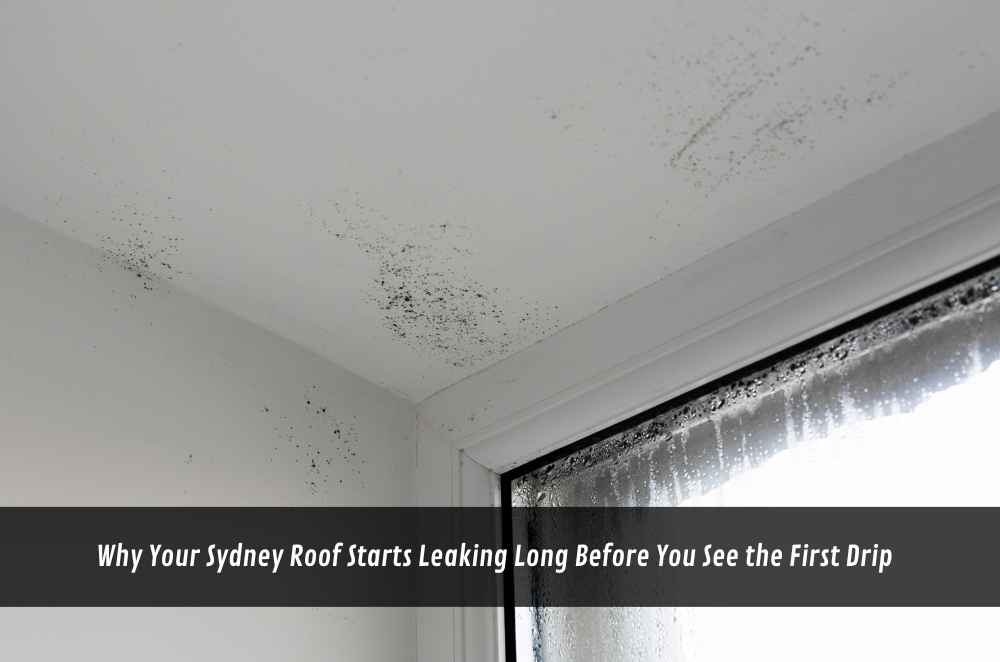
Black, green, white, or discolored patches on walls, ceilings, or building materials are visible signs. Growth may appear fuzzy, slimy, or powdery depending on species and substrate.
Odors and indoor air quality
Persistent musty odors often indicate hidden mold growth. Indoor air quality concerns can arise when spore concentrations are elevated in living spaces.
Water events and structural leaks
Recent flooding, roof leaks, plumbing failures, or chronic condensation create conditions favorable for mold. Inspectors often prioritize these areas for testing.
Types of mold tests and what they reveal
Air sampling
Air samples measure airborne spore concentrations and can reveal elevated levels compared with outdoor reference samples. Limitations include variability over time and influence of recent activity; results are a snapshot rather than a definitive health diagnosis.
Surface sampling
Surface swabs or tape lifts collect material directly from suspected mold growth. These tests help confirm whether visible material contains mold and can sometimes identify genera or species in laboratory analysis.
Bulk and material sampling
Bulk samples remove pieces of material (drywall, insulation, carpet) for lab analysis to determine extent of contamination within building components.
Choosing a qualified inspector or laboratory
Credentials and standards
Look for inspectors with recognized credentials such as those from the Institute of Inspection, Cleaning and Restoration Certification (IICRC), American Industrial Hygiene Association (AIHA) accreditation for laboratories, or state-specific licensing where applicable. Ask about sampling plans, chain of custody, and analytical methods.
Scope of work and reporting
A clear scope should describe locations sampled, sampling method, lab analytical technique, and how results will be interpreted. Reports should include raw data (e.g., spore counts), laboratory findings, limitations, and recommended next steps.
Interpreting results and limitations
Laboratory reports may list spore concentrations, genera identified, or presence/absence of specific molds. Interpretation requires context: outdoor reference levels, building use, recent cleaning, and occupant activity affect readings. No single numeric threshold universally defines a health risk; public health agencies recommend addressing moisture and visible growth regardless of counts.
Cost considerations and typical process
Costs vary by number of samples, travel, and report complexity. Typical steps include an initial assessment, targeted sampling, lab analysis (culture or microscopic), and a written report. Some jurisdictions require permits or follow-up verification after remediation.
DIY testing vs. professional services
Over-the-counter test kits can provide limited information but may be misinterpreted. Professional services offer a documented sampling plan, accredited lab analysis, and experienced interpretation. For complex buildings, healthcare facilities, or legal matters, professional documentation is often required.
After testing: remediation and prevention
Remediation priorities
Address moisture sources, remove or clean contaminated materials as appropriate, and follow containment and worker protection guidelines. Remediation contractors may follow industry standards such as those published by IICRC.
Long-term prevention
Preventative measures include repairing leaks, improving drainage, maintaining indoor relative humidity below 50% where feasible, ensuring adequate ventilation, and using building materials suited to wet environments.
Record keeping
Maintain documentation of inspections, test results, repairs, and remediation to support ongoing maintenance and any future property transactions.
How to find reliable Mold testing near me?
Search for accredited laboratories and certified inspectors, request references, confirm sample analysis methods, and ask for clear written reports. Consider contacting local health departments for lists of licensed providers or guidance in some jurisdictions.
What does a typical mold test report include?
Reports commonly include sample location and type, laboratory methods, spore counts or culture results, identified genera or species, comparison to outdoor samples, and limitations of the data.
Can mold testing diagnose health conditions?
No. Laboratory testing documents environmental conditions; it does not diagnose health issues. Consult a licensed healthcare professional for symptoms potentially related to indoor air quality.
How quickly are results returned?
Turnaround times vary by lab and test type. Microscopic spore counts may return in a few days; culture-based analyses can take one to two weeks for colony growth and identification.
Is mold testing always necessary?
Not always. When mold is visible or materials are wet, many agencies recommend prompt cleanup and moisture control rather than routine testing. Testing is most useful for documenting hidden contamination, guiding targeted remediation, or where verification is needed after remediation.