Practical Lower Back Pain Management: Expert Insights from Plano Back Pain Doctors
-

- February 28th, 2026
- 1,738 views

FREE SEO Topical Map Generator: Find Your Next Content Ideas
Lower back pain management is a common concern for adults and often involves a combination of self-care, physical therapy, and targeted medical care. This article summarizes practical, evidence-informed approaches that back pain doctors in Plano and spine specialists commonly recommend for long-term relief and prevention.
- Most acute low back pain improves with self-care and activity modification.
- Nonpharmacologic treatments like exercise, physical therapy, and ergonomics are first-line for many patients.
- Red flags such as progressive weakness or bowel/bladder changes require prompt medical evaluation.
- Specialist treatments (injections, advanced imaging, surgery) are considered when conservative care fails or specific conditions are identified.
Understanding lower back pain management
Common causes and how they affect care
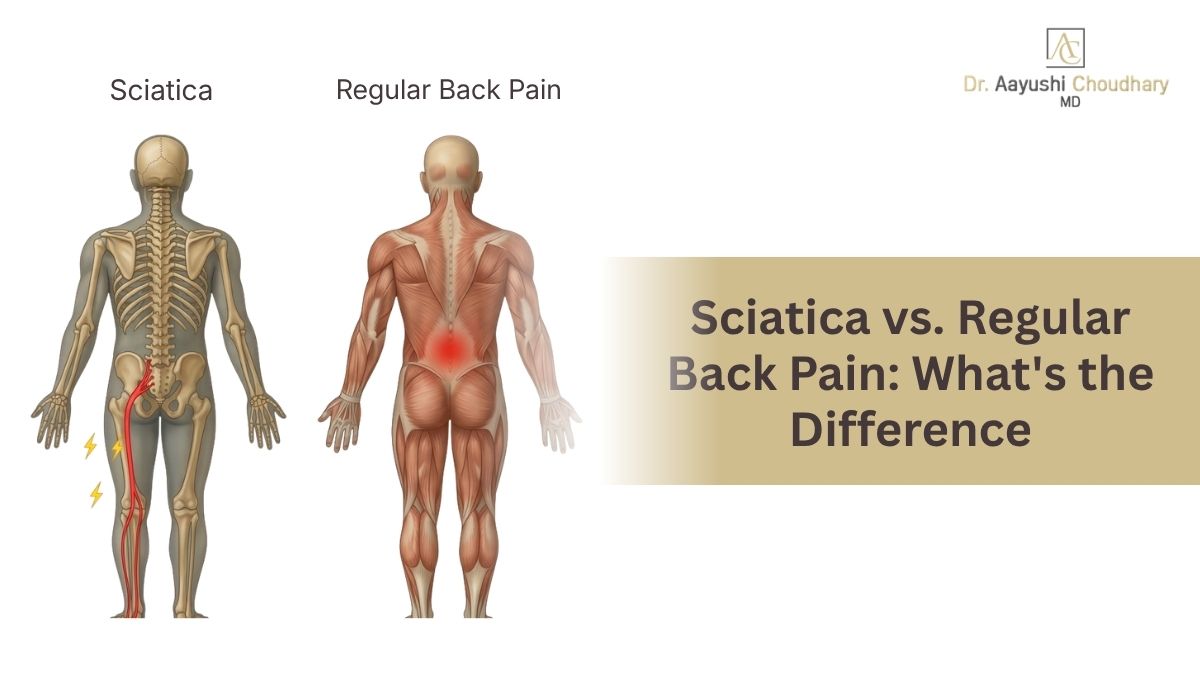
Lower back pain may arise from muscle strain, ligament sprain, degenerative disc disease, facet joint changes, spinal stenosis, or nerve compression such as sciatica. Age, occupation, body weight, and activity level influence both risk and treatment choices. Care plans are tailored according to the likely cause, symptom severity, and functional goals.
Evidence and guidelines
Clinical guidelines from professional societies generally recommend beginning with noninvasive, nonpharmacologic options for many patients. When imaging or specialist care is appropriate depends on symptom duration and the presence of alarming signs. For additional reputable information on causes and treatments, see the National Institute of Neurological Disorders and Stroke (NINDS). NINDS: Low Back Pain
Self-care and home strategies
Activity and movement
Staying as active as tolerable usually helps recovery. Gentle walking, progressive stretching, and a graded return to normal activities prevents stiffness and deconditioning. Avoid prolonged bed rest except for brief periods during severe flare-ups.
Pain relief methods
Simple measures such as hot or cold packs, graduated stretching, and short courses of over-the-counter analgesics (for example, nonsteroidal anti-inflammatory drugs or acetaminophen) are commonly used. These options should be selected based on individual health factors and discussed with a primary care provider if there are concerns.
Posture and ergonomics
Adjustments at work and home can reduce strain: ergonomically set up a workstation, use supportive seating, avoid heavy overhead lifting, and practice safe lifting technique by bending the hips and knees rather than the lower back.
Professional therapies and interventions
Physical therapy and exercise programs
Physical therapists design programs that focus on core strengthening, flexibility, and movement retraining. Modalities may include supervised exercise, manual therapy, and education about activity pacing and posture.
Medications and interventional options
When symptoms limit function or fail to improve, clinicians may consider prescription medications, steroid injections, nerve blocks, or other interventional procedures. These are generally used alongside rehabilitation. Surgery is reserved for specific diagnoses such as progressive neurologic deficit or structural instability that fails conservative treatment.
Imaging and diagnostic testing
Imaging (X-ray, MRI, CT) is not routinely recommended for uncomplicated acute low back pain unless red flags are present or symptoms persist despite appropriate conservative care. Diagnostic tests help identify surgical or interventional targets when conservative measures prove insufficient.
When to see a back pain specialist
Red flags and urgent symptoms
Seek prompt medical attention for severe trauma, unexplained weight loss, fever with back pain, new bowel or bladder dysfunction, progressive leg weakness, or loss of coordination. These signs may indicate serious underlying conditions needing urgent evaluation.
Referral to specialists
Referral to a spine surgeon, pain medicine specialist, or physiatrist may be appropriate for persistent pain that limits daily activities after several weeks of conservative care, when advanced interventions are under consideration, or when diagnostic uncertainty remains.
Prevention and long-term maintenance
Lifestyle measures
Regular aerobic activity, a targeted strength program for the trunk and hips, maintaining a healthy weight, and avoiding tobacco can reduce the risk of recurrent flare-ups. Attention to sleep quality and mattress support also contributes to comfort.
Workplace and daily habits
Ergonomic assessments, frequent position changes, scheduled stretching breaks, and appropriate footwear help limit cumulative strain. Employers and occupational health programs can support modifications for high-risk jobs.
Follow-up and realistic expectations
Many people experience improvement within weeks, but some have intermittent symptoms long-term. Ongoing management focuses on maintaining function, reducing flare frequency, and addressing contributing health factors.
Coordination of care in Plano
Finding appropriate providers
Primary care clinicians, physical therapists, pain specialists, and spine surgeons each play roles depending on severity and duration. Verify clinicians’ credentials and look for board certification or specialty fellowship training in physical medicine, pain management, or spine surgery where relevant.
Insurance and referrals
Insurance plans and referral requirements vary. Discuss options with the primary care team or an insurance representative to understand coverage for therapy, imaging, and specialist visits.
Frequently asked questions
What is the best approach to lower back pain management?
A best approach often begins with activity modification, progressive exercise, and ergonomic adjustments. Nonpharmacologic therapies such as physical therapy are first-line for many people; escalate to imaging or specialist care if symptoms worsen or do not improve with conservative measures.
How long will a typical low back pain episode last?
Acute episodes commonly improve within a few weeks with self-care. If pain lasts more than 6 weeks or significantly limits activities, evaluation by a clinician is recommended to guide additional treatments.
Are imaging tests always needed for back pain?
No. Imaging is usually reserved for persistent pain, suspected serious conditions, or when surgical planning is under consideration. Unnecessary imaging can lead to incidental findings that may not relate to the pain.
When should emergency care be sought for back pain?
Emergency evaluation is warranted for sudden severe back pain after trauma, loss of bowel or bladder control, sudden leg weakness, or signs of infection like fever with back pain.
How can recurring flare-ups be prevented?
Maintain regular exercise emphasizing core and hip strength, practice ergonomic principles, manage weight, avoid tobacco, and use pacing strategies during physically demanding tasks to reduce recurrence risk.