Mahalaxmi Pest Control: Professional Services, Safety, and a Practical Action Plan
-

- Published Updated
- 1,031 views
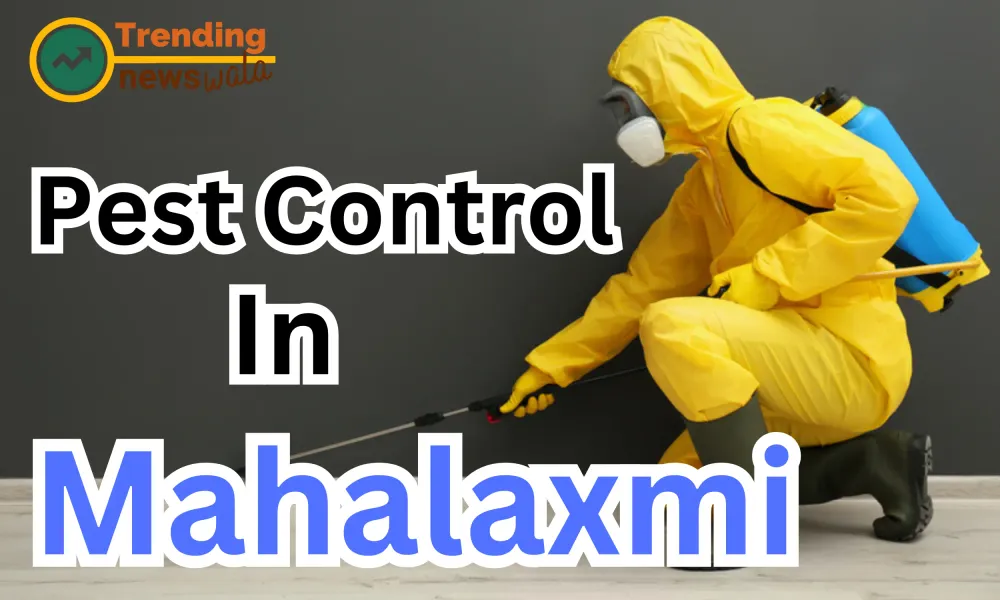
Quick guide to professional pest control Mahalaxmi
Choosing professional pest control Mahalaxmi services helps protect homes and businesses from rodents, cockroaches, termites, and seasonal vectors while reducing health risks. This guide explains service types, the SAFE Pest Control Checklist, realistic trade-offs, and clear next steps for residents and property managers.
- Who benefits: residential apartments, chawls, shops, restaurants, and offices in Mahalaxmi.
- Common pests: cockroaches, rats, ants, termites, mosquitoes, bed bugs.
- Core actions: inspection, targeted treatment, prevention, and follow-up monitoring.
- Core cluster questions for further reading are listed below for internal linking and planning.
- How to prepare a home for a professional pest control visit?
- What are the typical costs of residential pest control in Mumbai?
- How does integrated pest management (IPM) reduce chemical use?
- When is fumigation necessary versus spot treatment?
- What preventive maintenance keeps pests away long-term?
Detected intent: Informational
What professional pest control Mahalaxmi services include
Professional pest control typically combines inspection, identification, a treatment plan, safe application of methods (baits, sprays, fumigation, traps), and follow-up. Services distinguish between immediate eradication (for active infestations) and preventive maintenance (seasonal treatments, sanitation advice). Use of Integrated Pest Management (IPM) principles—monitoring, non-chemical controls, and targeted chemical use—reduces unnecessary exposure and long-term costs.
How services are categorized and when to choose each
Residential pest control
Focuses on cockroaches, rodents, ants, and occasional bed bug or termite issues. Residential work prioritizes occupant safety, child- and pet-safe formulations, and localized treatments.
Commercial and food-service pest control
Restaurants and shops require documented service plans, scheduled monitoring, and proof of compliance with health regulations. Expect customized baiting programs and exclusion work (sealing entry points).
Termite and structural treatments
Termite control may use baiting systems, liquid barriers, or tent fumigation for severe infestations. Structural repairs and moisture control are often part of long-term solutions.
SAFE Pest Control Checklist (named framework)
The SAFE checklist organizes decisions and actions into four practical steps:
- Survey: Full inspection to identify species, entry points, and infestation level.
- Assess: Decide on IPM-based tactics, health risks, and legal requirements.
- Fix & Follow-up: Execute treatments, seal entry points, and schedule monitoring.
- Educate: Provide occupant guidance on sanitation, storage, and prevention.
Costs, timeline, and realistic expectations
Costs vary by pest type, property size, and treatment intensity. Spot treatments may be completed in one visit; termite or rodent programs often require a multi-visit plan over weeks or months. Expect a documented scope of work, safety notes, and a follow-up schedule before work begins.
Practical example: a Mahalaxmi apartment rodent issue
Scenario: A third-floor apartment reports frequent rodent sightings and droppings near the kitchen. A professional inspection found entry gaps in the balcony door, unsecured waste bins in the stairwell, and active burrows in a neighboring service area. Recommended actions: immediate baiting in tamper-proof stations, sealing of visible gaps, coordinated stairwell waste management with the building committee, and a 6-week monitoring program. Results: sightings reduced within 10 days; full control in six weeks when follow-up sealing and sanitation were completed.
Practical tips for hiring and preparing for service
- Request a written inspection report and treatment plan that specifies chemicals and safety precautions.
- Clear food, dishes, and open storage from treatment areas and cover aquariums and medical equipment per instructions.
- Ask about IPM approaches and non-chemical options for areas with children or pets.
- Schedule follow-up visits and get documentation for commercial compliance if operating a food business.
Common mistakes and trade-offs
Common mistakes
- Using one-off sprays without addressing entry points or sanitation—this delays control and raises costs.
- Choosing the cheapest quote without a written plan or safety data sheets.
- Ignoring follow-up and monitoring—many infestations rebound without continued attention.
Trade-offs to consider
Fumigation can be fast for heavy infestations but requires temporary relocation and higher cost; targeted baiting and exclusion require patience but reduce chemical exposure. IPM reduces long-term pesticide use but demands coordination and preventive maintenance.
Health, safety, and regulations
Professional providers should follow local municipal rules and pesticide safety standards. Request Safety Data Sheets (SDS) for applied products and confirm license or accreditation where required. For vector-borne disease guidance and public health context, consult authoritative sources such as the World Health Organization: WHO vector-borne diseases.
Follow-up, monitoring, and prevention
Long-term control relies on routine inspections, sealing of gaps, proper waste management, moisture control, and occupant education. For apartment complexes, coordinated building-wide programs produce the best results.
Practical next steps checklist
- Schedule a licensed inspection and get a written plan with timelines.
- Prepare the property according to the provider's pre-treatment instructions.
- Confirm follow-up visits and request documentation for each service.
FAQ: How to get started and what to expect
How much does professional pest control Mahalaxmi typically cost?
Costs depend on pest type and property size; expect a baseline quote for inspection plus either per-visit charges or a package price. Request line-item estimates for materials, labor, and follow-up.
Are chemical treatments safe for homes with children and pets?
Safe application is possible when professionals use approved products, follow label directions, and provide re-entry times. Ask for pet- and child-safe options and a written safety plan.
What is integrated pest management (IPM) and why does it matter?
IPM prioritizes monitoring, exclusion, sanitation, and targeted chemical use only when necessary. It minimizes pesticide exposure and focuses on long-term prevention.
When should a building-wide program be considered?
If multiple units show active pests or shared spaces (stairwells, drains) are infested, coordinate a building-wide plan to prevent reinfestation and control sources outside individual units.
How long before results are visible after treatment?
Some pests respond within days (cockroaches, rodents with effective baiting), while termites and bed bugs may require multiple treatments over weeks. Follow-up and preventive measures affect speed of recovery.