10 Proven Techniques to Make Health Advertisements Stand Out
-
- February 23rd, 2026
- 1,519 views
10 Proven Techniques to Make Health Advertisements Stand Out
Creating effective health advertisements begins with clear, trustworthy messaging that connects with the intended audience. This article outlines practical strategies to make health advertisements stand out while maintaining compliance with advertising standards and public trust.
- Prioritize clarity, evidence, and audience relevance.
- Design for accessibility and readability across devices.
- Use reputable sources and follow regulatory guidance.
- Test creative variations and track measurable outcomes.
Why health advertisements need to stand out
Health advertisements compete for attention in crowded digital and offline channels while carrying additional responsibilities around accuracy and safety. Standing out means being both memorable and trustworthy: concise headlines, clear value propositions, and verifiable claims help audiences make informed decisions without creating confusion or unrealistic expectations.
10 ways to make your advertisements more effective
1. Lead with a clear, benefit-focused headline
Use an immediate, specific headline that communicates the primary benefit or action. Avoid vague language and jargon; instead, highlight what the audience gains, such as "Easier symptom tracking" or "Faster appointment scheduling." Clear headlines improve scanability and click-through rates across search and social placements.
2. Use evidence and cite credible sources
Support claims with credible evidence and reference respected organizations or peer-reviewed studies where applicable. Citing reputable institutions like the Centers for Disease Control and Prevention (CDC) or World Health Organization (WHO) can improve perceived credibility. For legal and regulatory requirements, follow guidance from advertising regulators such as the Federal Trade Commission (FTC).
3. Focus on clear, verifiable claims
Avoid absolute promises or unverified outcomes. Phrase messaging so claims can be substantiated and easily audited. This protects consumer trust and helps meet standards set by regulators for truth in advertising.
4. Simplify complex information
Break down medical or technical content into plain-language points. Use short sentences, bullet lists, icons, and visual aids to explain benefits, steps, or risks. Aim for a reading level that matches the target audience to increase comprehension and reduce misinterpretation.
5. Design for accessibility and mobile-first experiences
Ensure adequate color contrast, readable font sizes, and descriptive alt text for images. Mobile-responsive layouts and fast-loading assets are essential, as many users will encounter advertisements on phones. Accessible design widens reach and reduces barriers for people with disabilities.
6. Segment and target audiences precisely
Tailor creative, language, and channels to audience segments based on demographics, health needs, and behaviors. Personalized messaging improves relevance while minimizing wasted impressions. Use privacy-safe targeting practices and comply with data protection rules in the applicable jurisdiction.
7. Use storytelling and patient-centered narratives
Short, relatable stories or scenarios can make health topics more engaging. Focus on real-world contexts and practical benefits rather than technical features. When using patient experiences, ensure consent and avoid suggesting guaranteed outcomes.
8. Ensure compliance with regulations and ethical standards
Follow requirements for claims, disclosures, and disclaimers applicable to the region and product type. Regulatory bodies such as the FTC and national health authorities publish advertiser guidance. Review those guidelines before launching campaigns to minimize legal and reputational risk; see the FTC guidance for advertising and marketing for further details. FTC advertising guidance
9. Test creatives and measure meaningful metrics
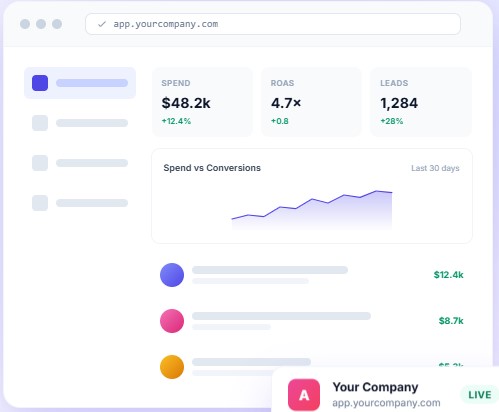
Use A/B testing to compare headlines, imagery, calls to action, and formats. Measure engagement (clicks, video completions), downstream conversions (signups, appointments), and quality signals (time on page, bounce rate). Iterative testing identifies what resonates while providing data for future improvements.
10. Choose trusted channels and partnerships
Select distribution channels that match audience habits and editorial standards. Partnerships with healthcare providers, patient advocacy groups, or accredited publishers can enhance credibility. Ensure partners follow the same compliance expectations and disclosure practices.
Implementation checklist
Before launch, review this quick checklist: clear headline and CTA, evidence and citations, plain-language content, accessibility review, compliance verification, tracking and analytics, and a testing plan. Documenting sources and claims provides an audit trail and supports ongoing optimization.
Measuring long-term performance
Track both short-term engagement and long-term outcomes such as retention or behavior change where measurable. Use privacy-compliant analytics methods and consider cohort analysis to compare performance across audience segments. Regularly review creative fatigue and refresh assets based on test results.
Frequently asked questions
How can health advertisements be both persuasive and accurate?
Balance persuasive elements—clear benefits, relevant stories, strong CTAs—with verifiable facts and proper disclosures. Ensure claims are supported by evidence, avoid exaggeration, and include context such as typical timelines or limitations when relevant.
What design features improve accessibility for health advertisements?
Use high-contrast colors, legible font sizes, keyboard-accessible navigation for interactive ads, meaningful alt text for images, and captions for videos. Test ads with assistive technologies to identify barriers and ensure compliance with accessibility standards.
How should advertisers handle regulatory requirements for health advertisements?
Consult applicable guidance from regulators and health authorities, keep documentation for all claims and sources, and include necessary disclaimers. Policies differ by country and by product type (e.g., drugs, devices, wellness products), so review local rules and seek legal or regulatory review when necessary.
Do health advertisements need special targeting rules?
Yes. Targeting should respect privacy laws and avoid exploiting sensitive health conditions. Use aggregated, consent-based targeting methods and follow platform-specific policies for health-related advertising where required.
How can small teams test health advertisements effectively?
Run lightweight A/B tests on headlines and images, prioritize measurable KPIs, and use inexpensive channels to validate concepts before scaling. Maintain clear documentation of variants and results to inform future creative decisions.
What are common mistakes to avoid in health advertisements?
Common errors include making unverifiable claims, using medical jargon that confuses audiences, neglecting accessibility, failing to disclose limitations, and not measuring outcomes. Addressing these reduces risk and improves audience trust.