Essential Guide: 10 Practical Tips for Managing an IT Services Ad Platform
-

- February 23rd, 2026
- 1,019 views

FREE SEO Topical Map Generator: Find Your Next Content Ideas
This guide focuses on managing an IT services ad platform with practical, repeatable controls that reduce risk and improve ROI. For teams responsible for digital marketing, ad ops, or platform governance, managing an IT services ad platform requires clear rules for targeting, creative, budget allocation, tracking, and compliance.
Detected intent: Informational
Top priorities for managing an IT services ad platform
Start with governance and measurement: decide who approves audiences and creatives, which KPIs drive spend, and how conversions are attributed. A managed approach prevents wasted spend on low-value traffic and limits exposure to compliance and privacy risks.
10 practical tips for managing an IT services ad platform
- Define clear campaign roles and approvals. Map responsibilities for strategy, creative, ad ops, privacy, and finance. A simple RACI (Responsible, Accountable, Consulted, Informed) makes reviews predictable.
- Use the SCALE checklist for platform readiness. (See full checklist below.)
- Set measurable goals and use consistent naming. Standardize campaign, ad group, and creative naming conventions for reporting and automated rules.
- Centralize measurement and tagging. One source of truth for conversion tags and event schemas reduces attribution errors.
- Enforce compliance and privacy guardrails. Maintain documented consent flows, data retention, and audience suppression lists to match legal and contract requirements.
- Automate routine rules where safe. Use threshold-based budget caps, pause rules for poor-performing creatives, and automated alerts for pacing anomalies.
- Invest in creative testing and iteration. Run structured A/B tests on headlines, CTAs, and landing pages and retire low-performers quickly.
- Document escalation paths for incidents. For billing disputes, policy violations, or security events, a written escalation ladder saves hours under pressure.
- Audit regularly and rotate access. Quarterly audits of account access, payment methods, and linked platforms reduce risk from stale credentials.
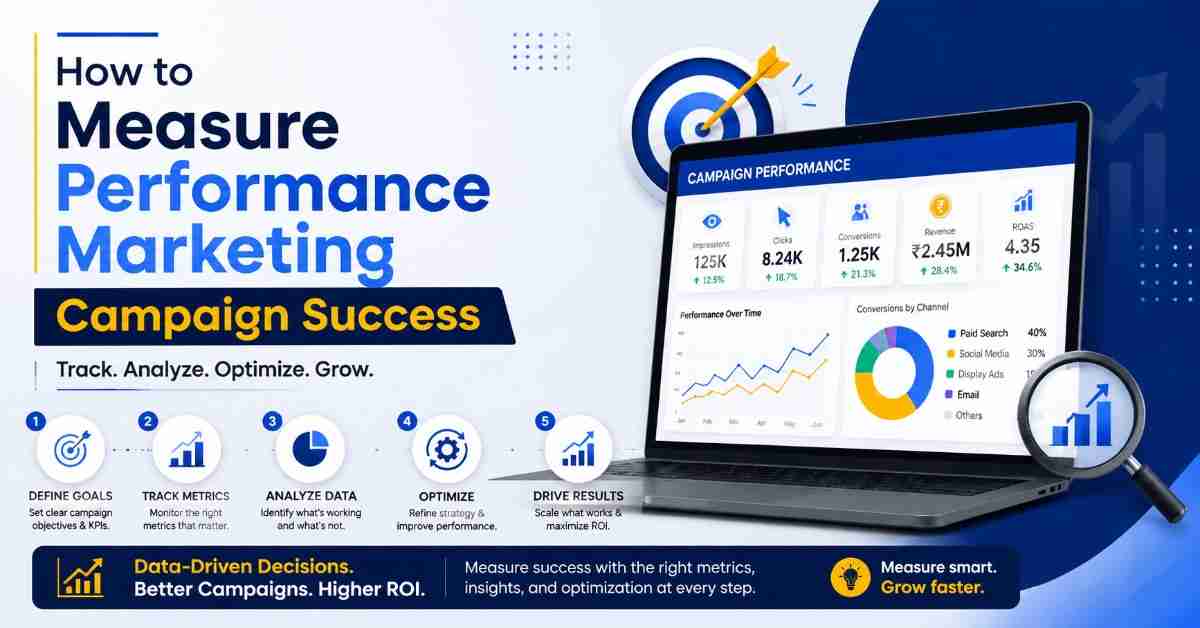
- Track unit economics, not just clicks. Tie ad performance to qualified leads, bookings, or revenue to optimize for business value rather than vanity metrics.
SCALE checklist (named framework)
Use the SCALE checklist as a compact framework for operational readiness and audits:
- Security: Access controls, credential rotation, and monitoring.
- Compliance: Consent records, suppression lists, and contract mapping.
- Attribution: Unified conversion schema, consistent UTM strategy, and single reporting source.
- Lifecycle: Campaign creation, approval, and sunset procedures.
- Efficiency: Automated pacing, creative testing plans, and cost controls.
Reference industry standards—security controls and incident response practices can follow guidance from the NIST Cybersecurity Framework for resilience planning.
Short real-world example
A regional managed-service provider (MSP) running search and social ads adopted the SCALE checklist. After defining a single conversion event for “qualified demo request” and standardizing naming, the team removed duplicate tags, applied a budget cap rule that paused low-conversion campaigns after three days, and rotated ad account keys quarterly. Within two months the MSP reduced cost per qualified lead by 28% and eliminated one data mismatch in reports.
Platform governance: policies, access, and compliance
Ad campaign governance for IT services
Create an ad governance document that lists approved audiences, restricted content (for regulated offerings), and an approval workflow. Link the governance document to the RACI and publish a one-page summary for all stakeholders.
Platform compliance and ad privacy
Ensure consent signals are captured consistently across landing pages and tag deployments. Maintain suppression lists for opted-out users and map data flows to contractual obligations with channel partners.
Practical tips
- Implement a single tagging standard and test with a tag management sandbox before production deployment.
- Automate budget caps and pacing alerts to prevent overspend during sudden traffic spikes.
- Hold weekly brief stand-ups between creative, analytics, and ad ops to accelerate decisions and retire low-performing creatives.
Common mistakes and trade-offs
Common mistakes
- Poor naming and inconsistent tags: Causes noisy reporting and slows optimization.
- Over-automation without guardrails: Automated rules can pause promising tests if thresholds are too strict.
- Neglecting access reviews: Stale users or connected apps can expose billing or data risks.
Trade-offs to consider
Strict approval processes reduce risk but increase cycle time for campaign launches. Centralized measurement simplifies insights but can create a bottleneck; plan for delegated read-only access and templated reports. Automated optimizations save time but require conservative thresholds and frequent review.
Core cluster questions
- How to align ad KPIs with IT services sales funnels?
- What controls should be in place for ad account security?
- How to build a tagging strategy for multi-channel IT campaigns?
- What are the best practices for audience suppression and data privacy?
- How to design an efficient creative testing cadence for service offers?
Measurement and continuous improvement
Set a quarterly review cycle: audit access, review SCALE checklist items, reconcile conversions to CRM, and update governance. Use incremental experiments with clear stop conditions and apply learnings across channels.
Closing checklist before every campaign launch
- Access and roles verified
- Tags tested in staging
- Budget and pause rules in place
- Compliance and consent confirmed
- Success metrics and reporting destination defined
What are the first steps for managing an IT services ad platform?
Begin with governance: assign roles, define KPIs tied to business outcomes, standardize naming and tagging, and run a single test campaign using the SCALE checklist to validate processes.
How should campaign attribution be set up for IT services?
Centralize attribution rules in a single reporting system, use consistent UTM parameters, and map conversion events to sales stages in CRM for accurate LTV analysis.
How to secure advertising accounts and third-party integrations?
Implement least-privilege access, enable two-factor authentication on all accounts, rotate keys, and document every integration. Schedule quarterly access reviews and revoke unused connections.
What metrics matter most when managing an IT services ad platform?
Prioritize qualified leads, demo bookings, pipeline contribution, and cost per qualified lead rather than raw impressions or clicks.
How to measure creative effectiveness in IT service campaigns?
Use controlled A/B tests, track downstream conversion rates to qualified leads, and retire creatives that fail to improve the conversion funnel within a defined test window.