Maximize Practice with TradingView Paper Trading: A Complete How-To
-

- February 23rd, 2026
- 2,100 views

FREE SEO Topical Map Generator: Find Your Next Content Ideas
TradingView paper trading is a simulation feature that lets traders practice strategies without risking real money. This review explains how the paper trading environment works, what tools it includes, and practical steps to get the most learning value from simulated trades.
- Quick overview of core features and setup
- Practical tips for realistic simulation and strategy testing
- Limitations to watch for before moving to live markets
TradingView paper trading: Overview
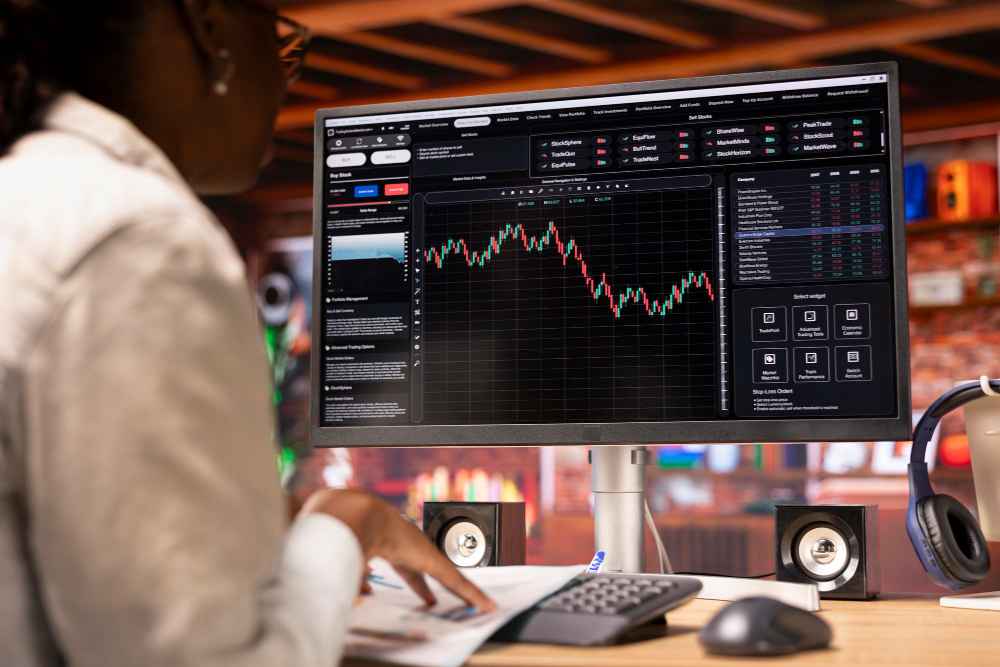
TradingView paper trading mirrors many aspects of live trading platforms: order entry, real-time charts, and position tracking. It is intended for practice, strategy development, and familiarization with technical analysis tools. The platform integrates charting, alerts, and a simulated brokerage account so users can place market, limit, and stop orders within the charting environment.
Setting up a simulated account
Creating and funding the paper account
To begin, enable the paper trading account in the platform's sidebar or account menu. The interface typically allows selection of a starting balance and base currency. Simulated funds are virtual; they do not represent real custody or protection. Maintain records of initial settings to evaluate performance later.
Connecting chart tools and orders
Link chart layouts, watchlists, and alerts to the paper account. Set up common order types—market, limit, stop loss—and verify execution behavior in fast-moving markets. Use the platform's order ticket and chart trade panel to practice different entry and exit methods.
Key features and tools
Charting and indicators
Comprehensive charting with indicators and drawing tools supports backtesting and real-time observation. Built-in indicators and the Pine Script environment enable strategy scripting; testing a simple indicator across multiple timeframes helps identify strengths and weaknesses in approach.
Order types and position management
Paper trading supports basic order types and position sizing. Simulate position scaling, partial fills, and stop management. Track performance metrics such as win rate, average return, and drawdown to assess robustness.
Practical tips to maximize learning
Make simulations realistic
Set slippage and commissions in the simulation if available, or account for them manually when reviewing trades. Use realistic starting capital and position sizes relative to portfolio value. Incorporate realistic risk management, including maximum daily loss and position limits.
Keep a trading journal
Document trade rationale, setup conditions, and emotional reactions. Compare simulated performance to stated objectives and refine rules based on observed outcomes. A disciplined record helps transfer simulated habits into live trading routines.
Limitations and common pitfalls
Paper trading cannot perfectly replicate live market conditions. Latency, order queueing, liquidity, and human factors differ when real capital is at risk. Behavioral responses to simulated losses may be muted, and execution fills may be more favorable in a simulated environment. Academic and regulatory sources, including the U.S. Securities and Exchange Commission, advise caution when interpreting simulated results.
When and how to transition to live trading
Consider a staged approach: start with small live positions or a micro account, maintain the same rules tested in simulation, and compare live performance to paper results. Re-evaluate strategy parameters under real execution and psychological stress. Use objective criteria—such as consistent profitability over a specified number of trades and controlled drawdown—before increasing live exposure.
Regulatory and safety considerations
Trading platforms and brokerages are subject to financial regulations. For general investor education and resources, consult the U.S. Securities and Exchange Commission (SEC) at U.S. Securities and Exchange Commission (Investor.gov). Local regulations and investor protections vary by jurisdiction; review applicable rules for margin, order routing, and dispute resolution.
Wrapping up
Paper trading is a valuable tool for learning technical analysis, testing strategies, and gaining familiarity with platform mechanics. Proper configuration, realistic assumptions, and disciplined review practices improve the usefulness of simulated trading. Awareness of limitations helps set appropriate expectations before committing real capital.
FAQ
What is TradingView paper trading and how realistic is it?
TradingView paper trading is a simulated trading environment that allows order placement and position tracking without real money. It reflects many functional aspects of live trading but may not fully reproduce execution quality, slippage, and emotional pressures of real markets.
Can paper trading replace live experience?
Paper trading is an educational step but not a full substitute for live experience. Real-world variables—such as liquidity, order fills, and behavioral responses—affect outcomes once capital is on the line.
How should performance be measured in simulation?
Measure performance with metrics including net return, maximum drawdown, Sharpe ratio, and consistency across market regimes. Track trade-level details and evaluate whether rules produce repeatable results under different conditions.