Maximizing ROI from Paid Social Media Ads: Strategies, Metrics, and Best Practices
-

- February 23rd, 2026
- 1,751 views

FREE SEO Topical Map Generator: Find Your Next Content Ideas
Paid social media ads can drive measurable growth when campaigns are designed around clear objectives, relevant audiences, and reliable measurement. This article explains how to maximize ROI from paid social media ads through strategy, creative testing, targeting, bidding, and compliance best practices.
Key actions to improve paid social media ads ROI: define goals and KPIs, map customer journeys, use structured A/B testing, optimize creative and landing pages, adopt conversion-aware bidding, track multi-touch attribution, and follow advertising regulations.
Paid social media ads: key metrics, setup, and objectives
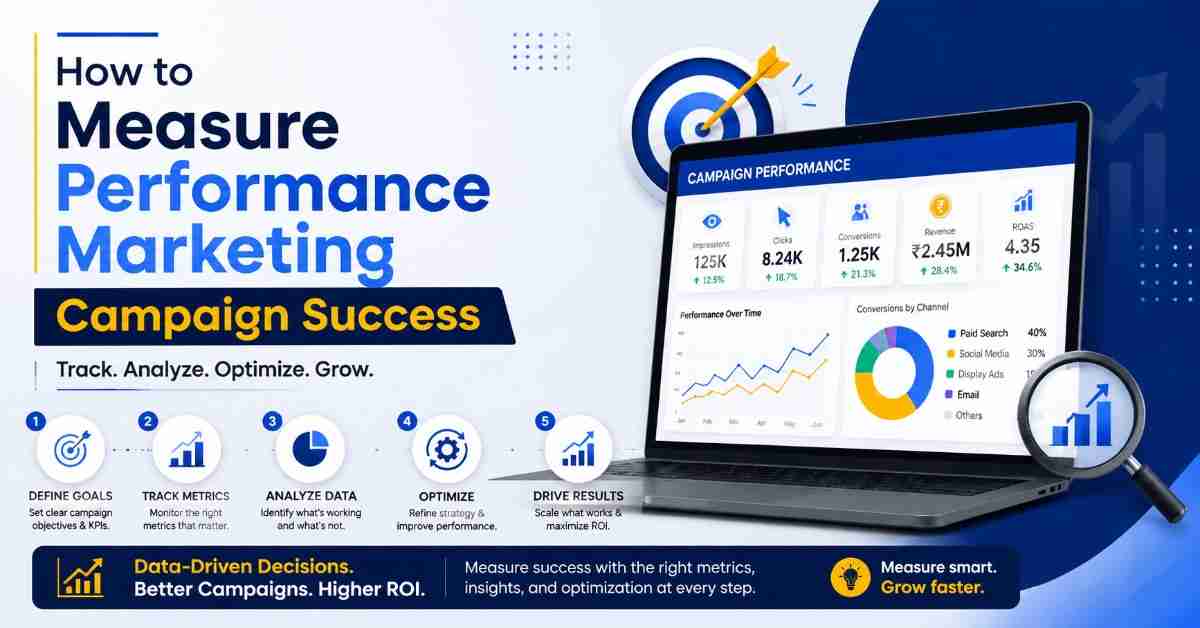
Begin with clearly defined objectives that match business outcomes. Common objectives include awareness (measured by CPM and impressions), consideration (click-through rate and engagement), and conversions (CPC, conversion rate, cost per acquisition, and return on ad spend). Setting specific key performance indicators (KPIs) ensures campaigns are evaluated consistently and aligns paid social media ads performance with broader marketing goals.
Developing a strategy and funnel alignment
Map the customer journey from awareness to purchase. Use different creative formats and message tiers for each stage: broad reach creative for top-funnel, educational or product-focused formats for mid-funnel, and clear call-to-action offers or retargeting for bottom-funnel. Budget allocations should reflect the funnel stage and lifetime value expectations rather than equal splits across campaigns.
Audience targeting and segmentation
Effective targeting reduces wasted spend. Create segments based on behavior, intent signals, demographics, and CRM data when possible. Lookalike or modeled audiences can expand reach while preserving relevance. Use exclusion lists to prevent overlap and overexposure. Test multiple audience definitions to find the optimal match of scale and performance.
Creative, messaging, and landing page experience
Creative quality directly affects performance. Test variations of headlines, visuals, copy length, and calls to action. Prioritize clarity in the first few seconds: the proposition and next step should be obvious. Ensure landing pages match ad messaging and load quickly on mobile; slow or mismatched experiences drive up cost per conversion. Consider simple A/B tests for landing page layout, headline, and form length to see which elements improve conversion rate.
Bidding, budget allocation, and campaign structure
Select bidding strategies that match objectives: conversion-aware bidding for acquisition goals and impression- or reach-based bidding for awareness. Implement rules or automated bid adjustments to control cost-per-action thresholds. Consolidate tests to avoid audience fragmentation and allow algorithmic bidding to optimize effectively, but keep distinct campaigns for fundamentally different objectives or audiences.
Measurement, tracking, and attribution
Reliable measurement is essential to maximize ROI. Implement conversion tracking signals such as pixels, server-side APIs, or platform conversion events. Consider multiple attribution models (last-click, linear, time-decay, or data-driven) to understand contribution across touchpoints. Use analytics platforms and attribution studies to reconcile platform-reported metrics with internal CRM outcomes and to estimate lifetime value and incremental return.
Testing framework and optimization cadence
Establish a structured testing program: define hypotheses, select a single variable to test, run until statistically meaningful results are reached, and iterate based on outcome. Maintain regular optimization cadences: daily checks for delivery and pacing, weekly creative and audience reviews, and monthly deeper analyses for budget shifts and strategic pivots.
Compliance, transparency, and industry guidance
Adhere to advertising regulations and disclosure requirements. Ensure claims are substantiated and disclosures are visible where required. Industry organizations such as the Interactive Advertising Bureau (IAB) provide standards for ad measurement and transparency. For regulatory guidance on advertising practices and required disclosures consult the Federal Trade Commission guidance on advertising and marketing practices: FTC Advertising and Marketing Guidance.
Common challenges and mitigation tactics
Attribution gaps and privacy changes can obscure performance. Mitigation tactics include aggregating data, modeling conversions, using first-party data, and validating outcomes with offline or CRM conversion matching. Rising costs often require improving audience relevance and creative resonance rather than only increasing budget. Maintain a culture of testing to adapt to platform changes and audience behavior shifts.
Operational checklist to maximize ROI
- Define primary KPI and expected cost per outcome.
- Set up reliable conversion tracking and data flows to analytics and CRM.
- Segment audiences and create tailored creative for each funnel stage.
- Run controlled A/B tests and document learnings.
- Optimize landing pages for speed and relevance.
- Monitor performance and reallocate budget to high-ROAS tactics.
- Ensure ad disclosures and compliance with regulations.
Evaluating long-term performance and scale
Measure both short-term conversion efficiency and long-term value. Track retention, repeat purchase rates, and customer lifetime value to understand true return on investment. Use incremental lift studies or holdout tests where feasible to isolate the causal impact of paid social media ads from organic or other paid activity.
Conclusion
Maximizing ROI from paid social media ads requires alignment between objectives, measurement, creative quality, audience targeting, and compliance. A disciplined approach—centered on well-defined KPIs, structured testing, and reliable tracking—supports scalable and sustainable performance improvements.
FAQ
How can paid social media ads improve ROI?
Improve ROI by aligning campaigns to business objectives, using conversion-aware bidding, optimizing creative and landing pages, conducting systematic A/B tests, and tracking conversions across channels to inform allocation decisions.
What metrics should be used to evaluate paid social media ads performance?
Key metrics include CPM, CTR, CPC, conversion rate, cost per acquisition (CPA), and return on ad spend (ROAS). Supplement with engagement and retention metrics to measure long-term value.
How often should campaigns be tested and optimized?
Daily monitoring for delivery and pacing, weekly checks for creative and audience performance, and monthly strategic reviews are a practical cadence. Tests should run long enough to reach statistical significance before drawing conclusions.